Who Stole God’s Own Loaf?
How a single missing shipment of ergot-laced rye turned the Salem witch trials into a real estate grab of biblical proportions.

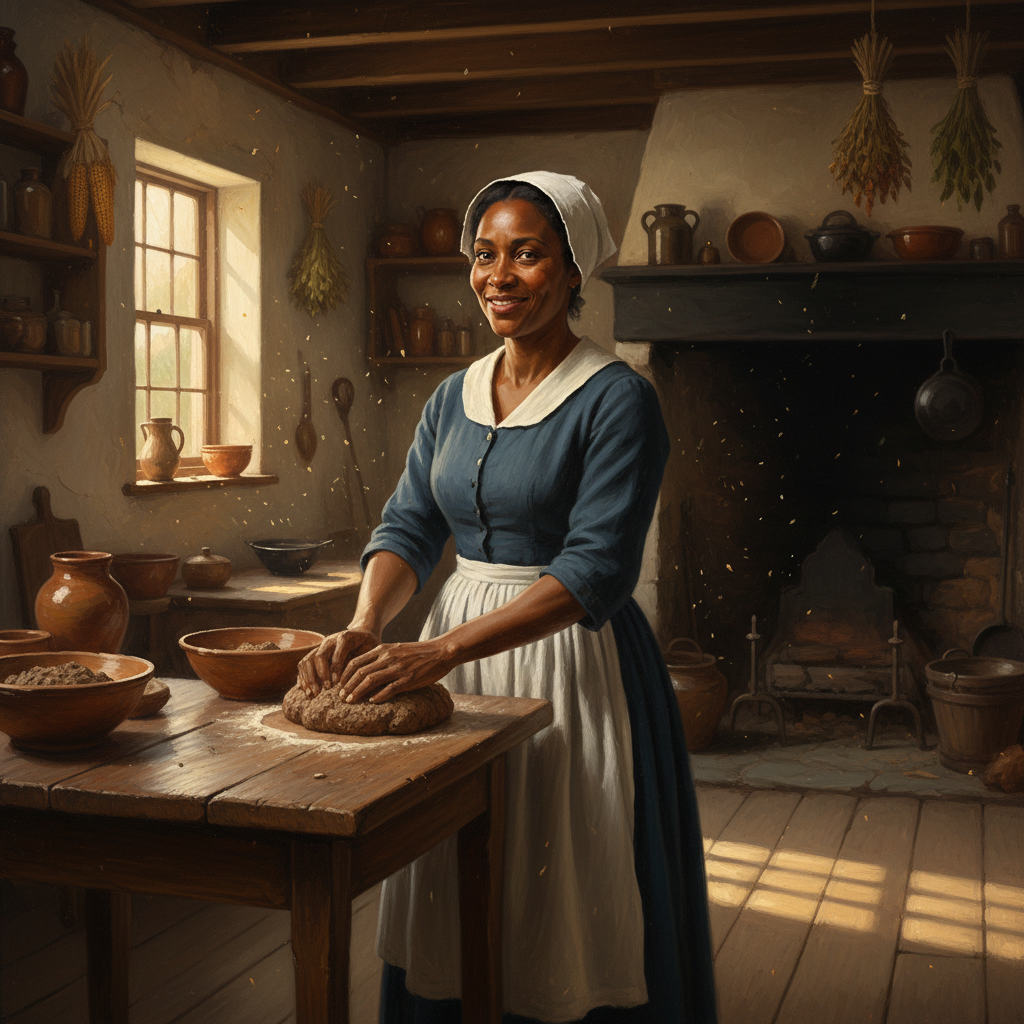
Have you heard what happens when a shipment goes missing at sea? The fish get fat and the sailors get blamed. But when the shipment is 200 pounds of “sacramental bread” meant only for the most sanctified Puritan mouths in Massachusetts, and the baker is a canny old woman from Barbados with a new deed to prime Salem real estate, well. That’s a different kind of story. Tituba—and you’d better believe I paid for that name with a bottle of very good rum and a promise to stay quiet—was many things, but a witch wasn’t one of them. A baker? Oh, yes. And a savvy commodities trader who knew the value of a good story. The only “spectral evidence” that mattered in 1692 was the ghost of her missing rye, which was currently making its way through the digestive tracts of Salem’s most prominent citizens.
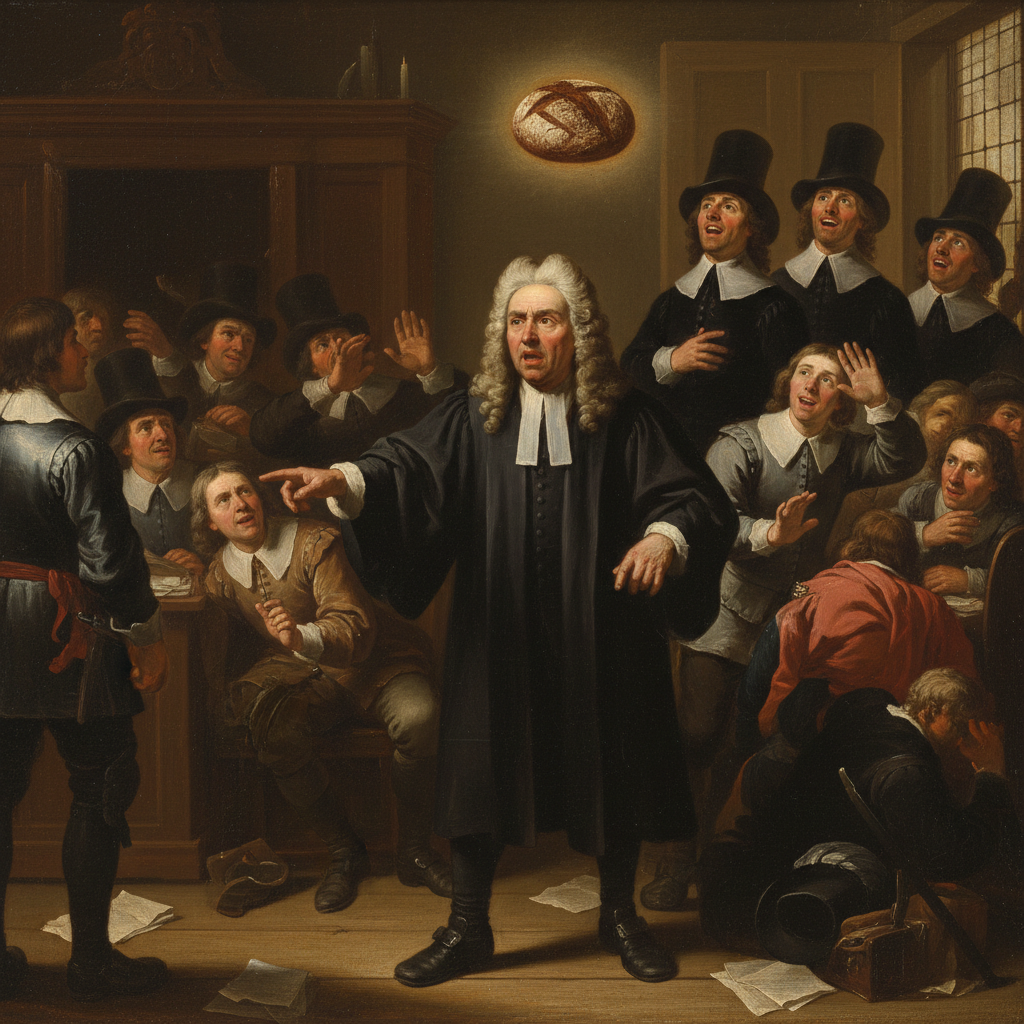
Now, a wise woman knows that ergot-laced rye, baked just so, can give a man a direct line to his god. It can also make him see his neighbour’s cow levitating over the meeting house. Tituba’s special ministry, delivered via her niece Abigail Williams, was a roaring success. Too much of a success. The first men to partake, pillars of the community all, had visions so profound they immediately accused Goody Bishop’s pig of blasphemy. When the next batch produced three hours of screaming prophecy from Reverend Parris himself about a “horned beast” that looked suspiciously like his own reflection in a pewter plate, they knew they had a problem. They couldn’t admit they’d been tripping balls on holy bread meant for an elect few. What they could do was find someone to blame. The Devil, you say? In Salem? Convenient.
The a-ha moment, my grandmother would call it, came from Thomas Putnam. His first vision on the bread was of angels handing him the deed to George Burroughs’s land. His second, clearer vision, was that he didn’t need angels at all. All he needed was a convincing enough accusation. Suddenly, every twitch and utterance from the afflicted girls wasn’t a symptom of ergotism; it was a demonic attack launched by… hmm, let’s see… whoever owned that tract of timber you’ve had your eye on. The trials weren’t a witch hunt anymore; they were the single most effective hostile takeover scheme in colonial history, fuelled by bad rye and worse intentions. Every time a new load of “evidence” arrived in the form of Abigail Williams having a fit in the town square, a new property line was mysteriously redrawn.
The whole farce only collapsed when the original shipment finally arrived, three months late, the captain blaming “unseasonable fogs.” The sailors, bless their honest hearts, had sampled the goods. They stumbled ashore in Boston, glassy-eyed and raving, describing how their ship had been piloted by a chorus of sky-mantas. When one of them tried to formally excommunicate a lobster for “lewd gesticulations,” the magistrates finally put two and two together. The trials were halted. But by then, 19 people were dead, and the Putnams owned half the county. Tituba? She was quietly released. I heard she used the profits from her initial, “lost” shipment to open a very respectable bakery in Rhode Island, specialising in “spiritually uplifting” communion wafers. She called it ‘The Lord’s Own Loaf.’ Because as the old people say: if you’re going to feed a fool, make sure you sell him the plate, too.