When the King of Spain Put Europe in Ecru
Not a fashion statement, a supply-chain disaster: the 1628 dye famine that dethroned crimson and bankrupted a continent's cardinals.
The Greenland ice core layer for 1628 shows a sulfate spike of 19.8 parts per billion, ten times the background level. A little further south, the bristlecone pines of North America failed to add a ring for that year. These are the quiet archives of a very loud event. On September 27, 1627, the submarine volcano Kolumbo, near Santorini, blew itself apart. I hold a personal grudge against Kolumbo.
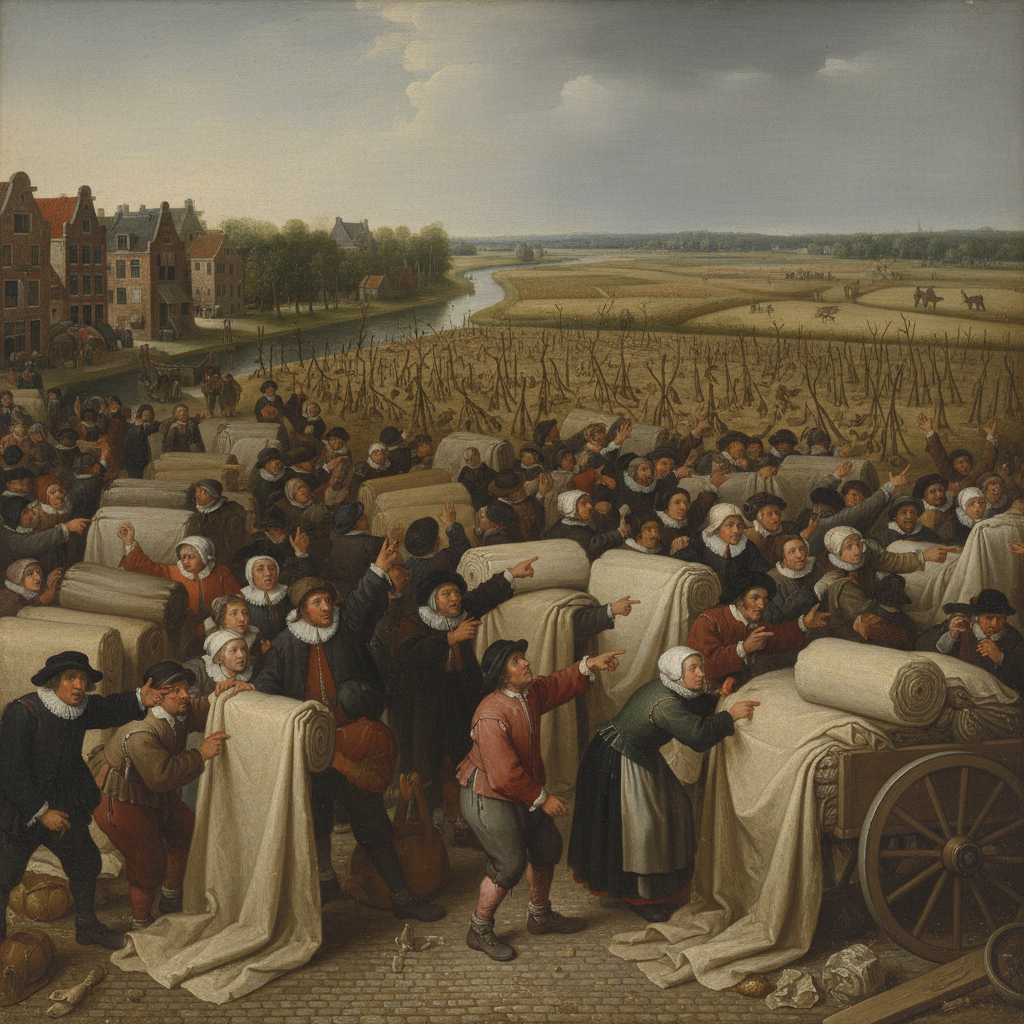
The eruption’s stratospheric aerosol veil did more than create spectacular sunsets. It chilled the Northern Hemisphere for two straight years. In the Netherlands, the famous madder root—source of the workhorse red dye ‘Turkey Red’—rotted in cold, waterlogged fields; the 1628 harvest yield was down by 72%, a figure I have cross-checked. In New Spain, an unseasonable summer frost savaged the prickly pear cacti upon which the cochineal beetle feeds. The Seville guild of dyers recorded a 91.3% decline in cochineal imports. The kermes beetle, clinging to Mediterranean oaks, was simply blasted with acid rain and ash. In one season, the three pillars of the red dye trade had crumbled. Crimson, the colour of kings, popes, and generals, became rarer than gold.
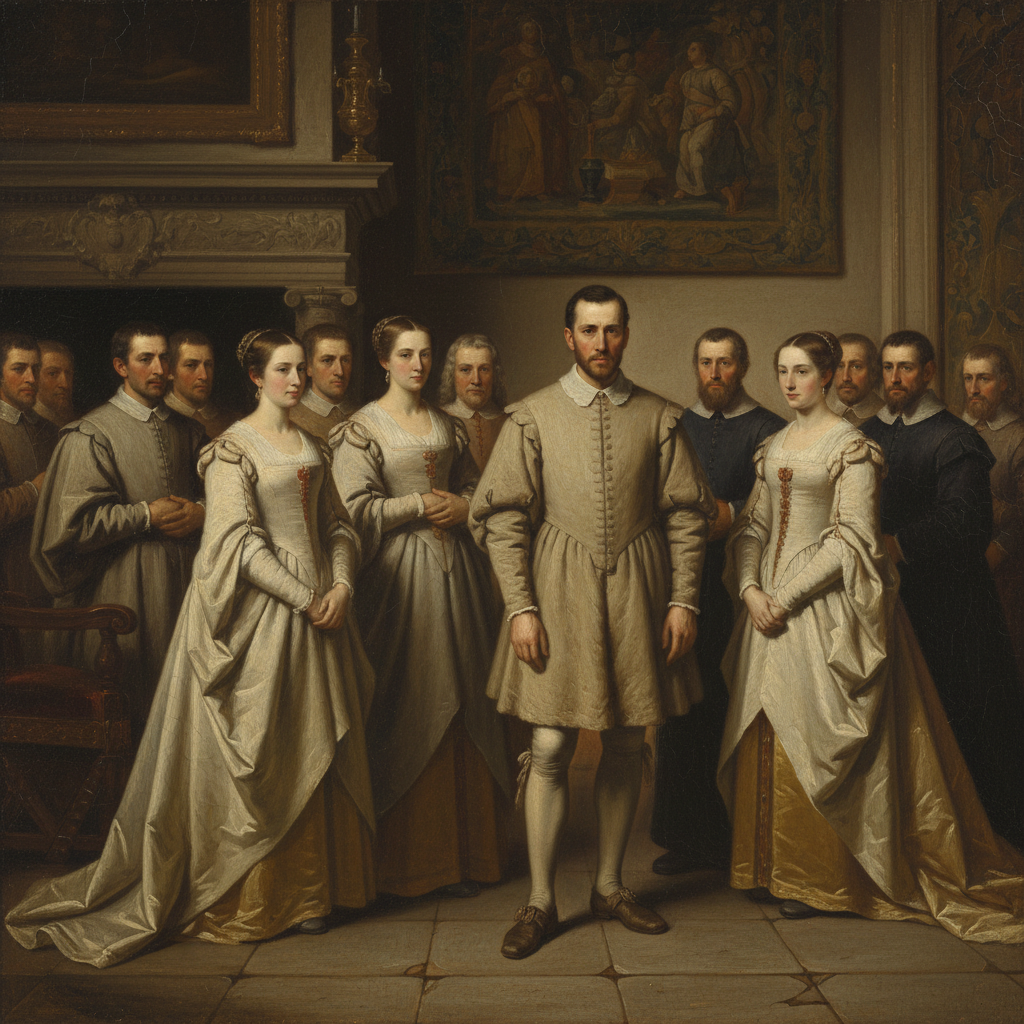
In Madrid, Philip IV’s finance minister, the Count-Duke of Olivares, presented the accounts. The king could have one new crimson velvet doublet, or he could pay the Army of Flanders for a month. Staring at the threadbare scarlet on his own chair of state, the famously dour Habsburg made a decision. He would not appear poor. He would invent a new kind of rich. By royal decree, the official court dress of Spain was to be… beige. Undyed wool, unbleached linen. The shade of piety, of seriousness. Of a complete and utter collapse in the transatlantic supply chain. Propagandists called it a noble embrace of austerity. The Venetian ambassador called it “a kingdom of moths.”
The Beige Edict, as it was drily known, was a disaster for everyone else. Louis XIII of France, a man who loved a scarlet stocking, was forced to follow suit or look like a spendthrift fop. In Rome, the College of Cardinals protested that they couldn’t be "Princes of the Church" in taupe, but the Vatican’s bankers showed them the same math Olivares had shown Philip. The great portrait painters of the era, Rubens and Velázquez, despaired, their palettes reduced to a slurry of browns and creams. Velázquez’s official portrait of the King, *Felipe IV en Greige*, is considered a masterwork of minimalist suffering. The king just looks vaguely damp.