The Rosetta Stone Was a Complaint
And three thousand years later, we have translated the receipt.
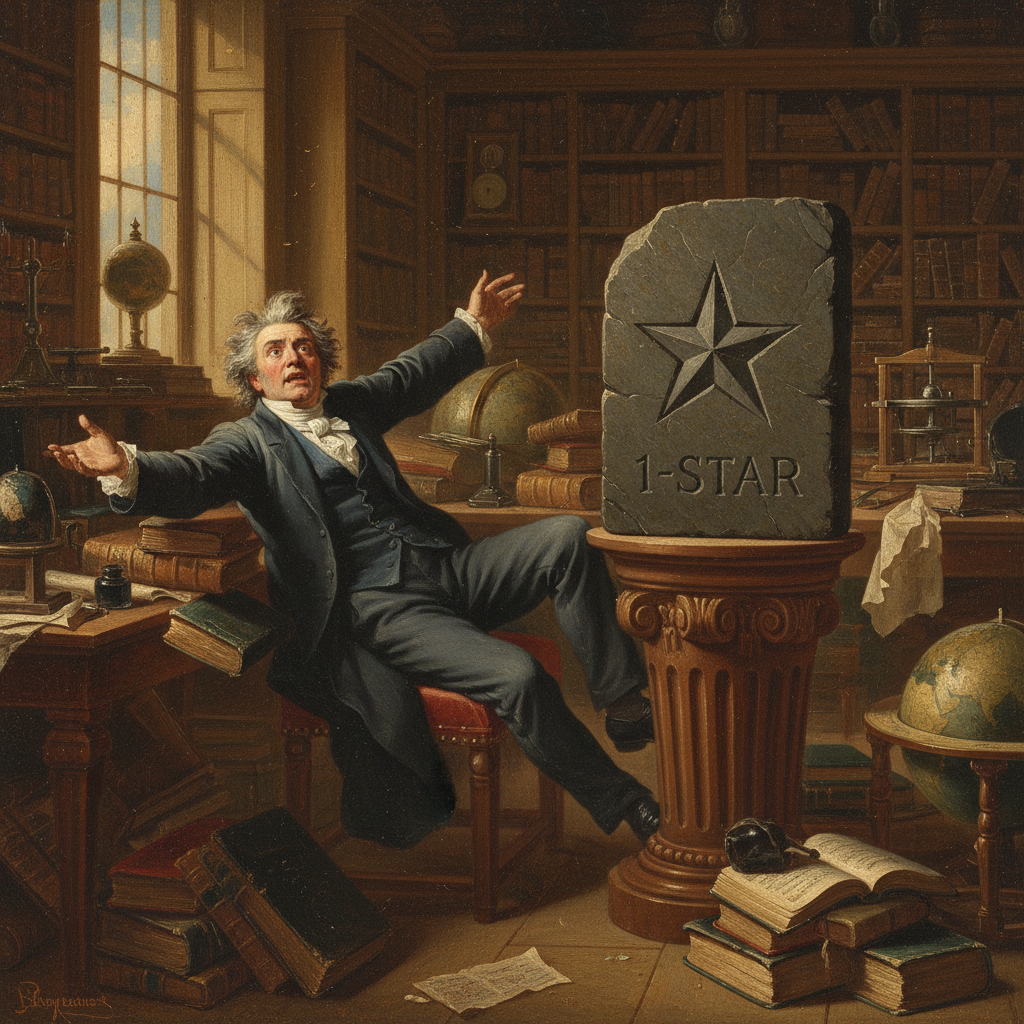
The first thing Jean-François Champollion deciphered was the phrase “unforgivably dry.” Not, as expected, the glorious titles of Ptolemy V Epiphanes, King of Upper and Lower Egypt, beloved of Ptah. Just a damning verdict on the felafel.
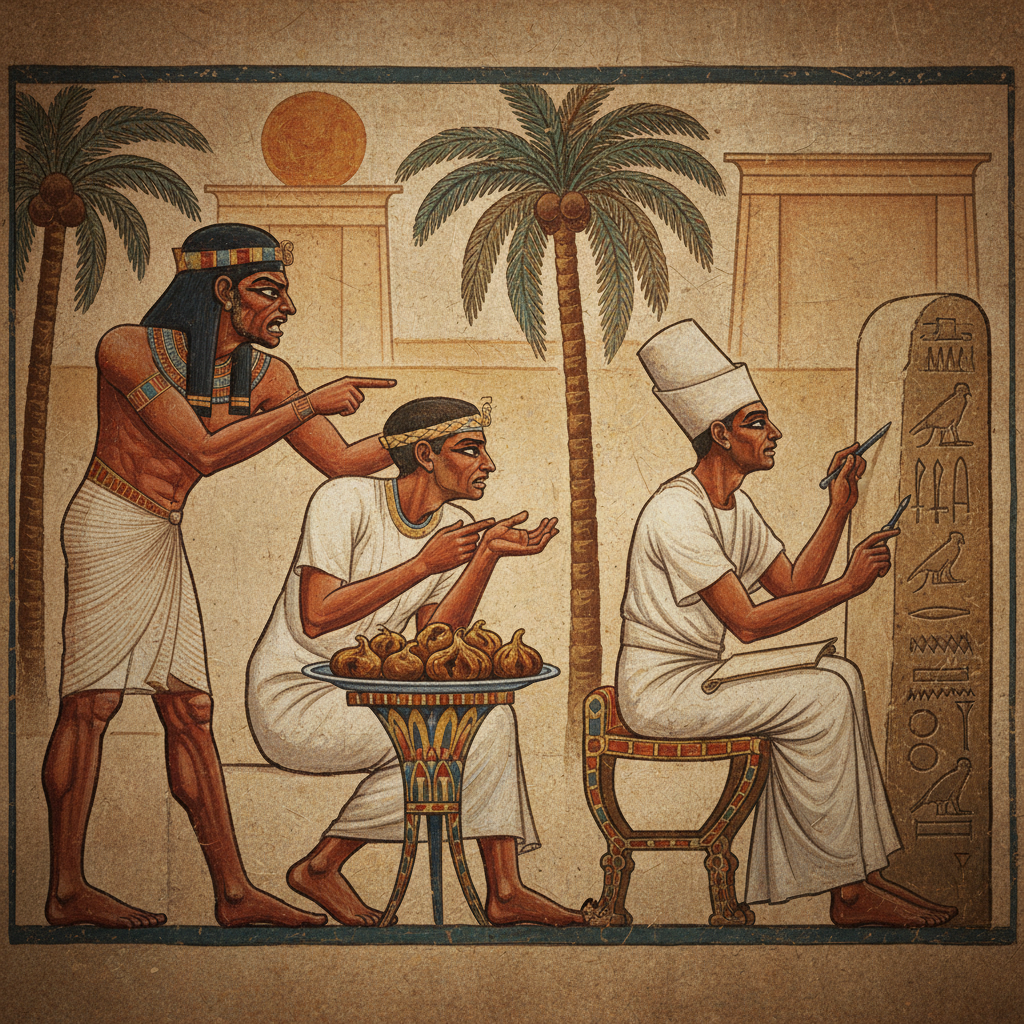
It turns out the Rosetta Stone was not a decree, but a complaint. A meticulously engraved, tri-lingual complaint, lodged with the Better Business Bureau of Alexandria by a man we now know only as “Inebriated Appolonius.” The year is 196 BC, and Appolonius, a mid-level functionary with a drinking problem and far too much time on his hands, has had a truly atrocious meal at a restaurant called The Prancing Goat. He wants everyone, for all time, to know about it.
The granite stela, which took Appolonius three years and most of his inheritance to commission, dedicates its first twenty lines to the king’s divine majesty, as was customary. Standard boilerplate. Then it pivots. The demotic script describes, in excruciating detail, a plate of figs so bruised they were “weeping shame.” The Greek section laments the watery wine, “fit only for scouring laundry or grieving.” But it is the hieroglyphs, reserved for sacred pronouncements, that contain the true venom. Appolonius used the pictorial language of the gods to allege the head chef was “born of a syphilitic donkey” and that the lentil soup possessed “the texture of silt and the ambition of a puddle.” The final line, repeated in all three scripts for emphasis, reads: “One star. Do not recommend.”
For two decades, Champollion hid his findings. He was a linguist, a scholar. He had dedicated his life to unlocking the secrets of the pharaohs, not the petty grievances of a disgruntled diner. He tried to fudge it. “Ptolemy V, mighty is his arm,” became his official translation for what he privately knew was, “The goat stew was frankly a disgrace.” The bit about the chef’s parentage? Rendered for posterity as “a blessing upon the royal house.” It was only on his deathbed, consumed by guilt and a surfeit of laudanum, that he confessed the truth to his nephew, whispering, “The bread… he said the bread was tacky.”
The revelation shattered the field of Egyptology. Careers ended. Museums quietly retitled their exhibits. The Louvre’s grand plaque was amended from *Decree of Memphis* to *Customer Feedback Form (c. 196 BC)*. And Inebriated Appolonius, history’s first and most persistent Karen, finally got his wish. We all know. We will never forget. And somewhere in the Egyptian afterlife, the shade of a long-dead chef is still getting harassed by the manager.