The Great Babylonian Hangover
A startling 74% of state revenue was reportedly lost to something called a “beer sponge.”
'''It is a common misconception, especially in those lamentable institutions styling themselves ‘universities’, that the chief accomplishment of Nebuchadnezzar II was the destruction of Jerusalem. A tedious piece of local unpleasantness, hardly worth a cuneiform footnote. No, the thinking reader knows that the king’s true genius—a word I use with the greatest reluctance—lay in his bureaucratic innovations, a talent for monumental statecraft that dwarfed even his talent for monumental architecture. That a man of such administrative rigour could be undone by a single scribe’s execrable Akkadian only confirms what Tacitus always knew: *omne ignotum pro magnifico*. Or, for the benefit of my less fortunate readers, unfamiliar things are always magnificent disasters.
The catalyst for this particular disaster was a young man named Nabu-mukin-zeri, a scribe whose grasp of Sumerian logograms was as firm as a fistful of wet sand. Tasked with translating a hopelessly archaic tax roll from the conquered territories of the Sealand, he encountered the symbol KAŠ.LÚ.SU, an old term for a specific grade of brewer entitled to a tax exemption. Nabu-mukin-zeri, whose training had evidently been acquired behind a tavern rather than inside a scribal school, rendered this not as “exempt brewer” but as *māšiqum*, the “beer sponge”—a contemptible parasite who, he elaborated in a fit of misplaced poetic invention, soaked up the state’s rightful barley and gave nothing back but insolence and piss.
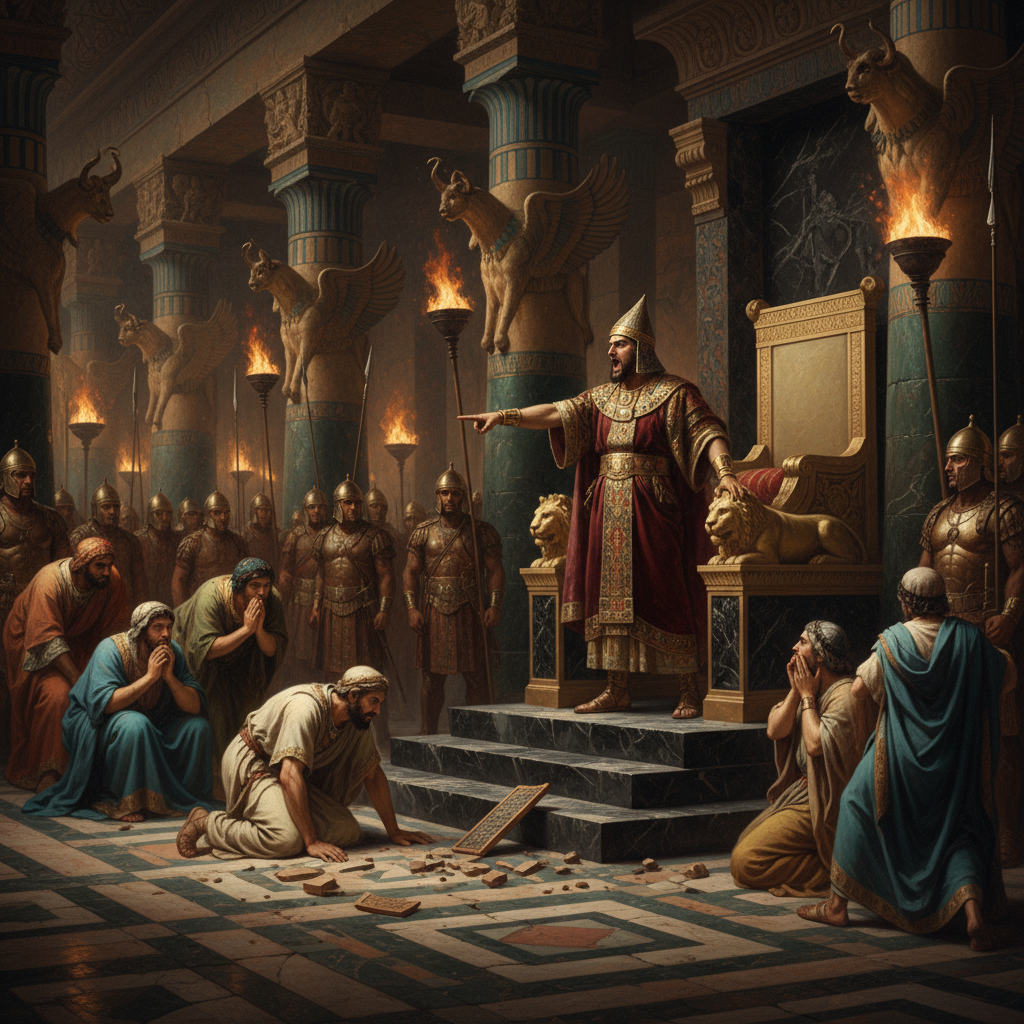
This gloss, appended to a summary of accounts showing a significant (and entirely normal) quantity of grain allocated to the brewing guilds, reached the king on a day when his humours were already foul. Nebuchadnezzar, a man not known for his patience with fiscal leakage, flew into a rage of legendary proportions. A “beer sponge”? Sucking at the very vitals of his treasury? Within the hour, he had dictated the Edict of Bitter Water, a masterpiece of absolutist fury. It declared brewing to be an act of treason. All beer, from the finest date-palm vintage to the commonest barley swill, was to be poured into the Euphrates. The brewers themselves, those “spongiform degenerates,” were banished from the city on pain of being used as grout in the Ishtar Gate.
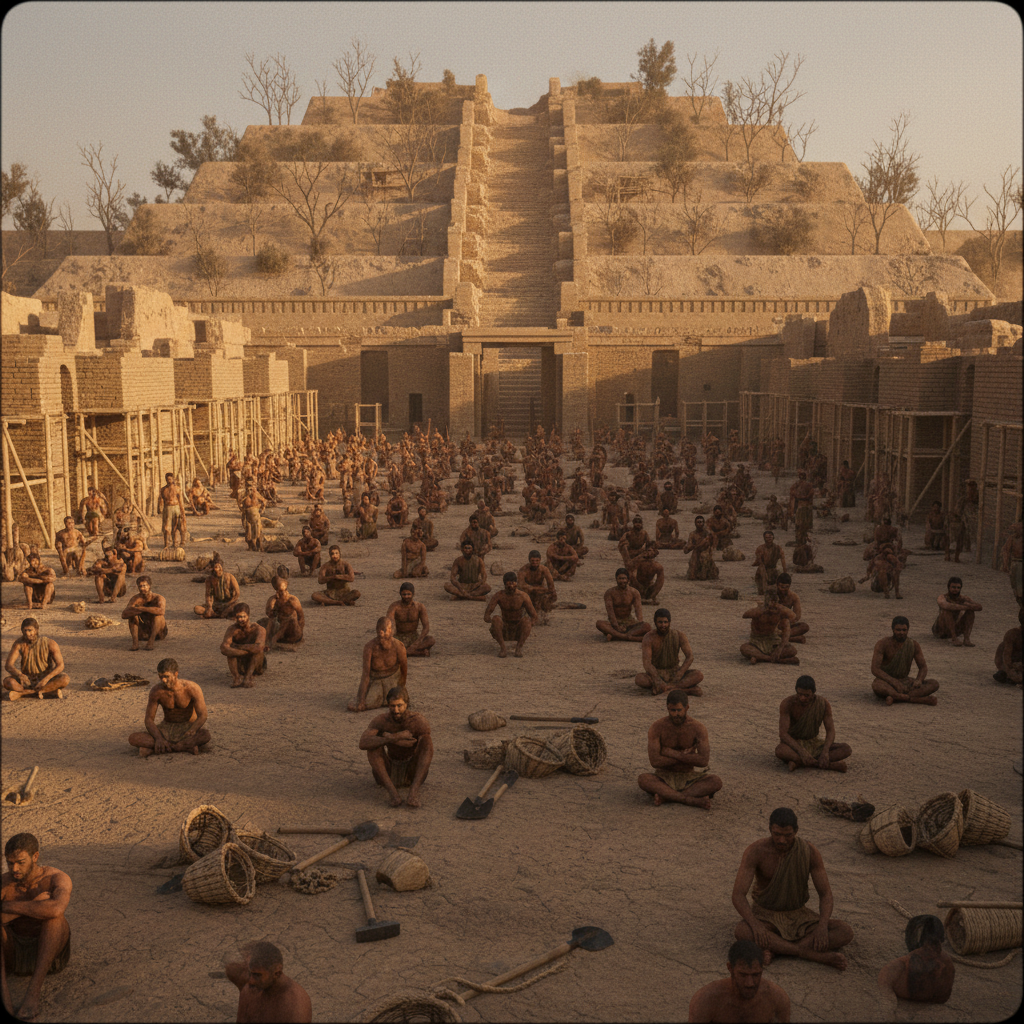
The economic consequences were immediate and catastrophic. The Egyptian grain merchants, who had long-standing futures contracts for Babylonian barley, found their primary buyers had vanished overnight and promptly dumped Babylonian debt. The priests of Marduk, whose rites were lubricated by vast quantities of consecrated ale, protested that the god was growing dangerously sober and irritable. The entire construction industry ground to a halt; the Hanging Gardens themselves withered on the vine, as it were, because the armies of labourers who built them were paid their wages in beer. Their subsequent, entirely predictable riot was quelled only when the royal guard, themselves furious at the sudden imposition of sobriety, agreed to look the other way in exchange for a cartload of smuggled Persian wine. Nebuchadnezzar, surveying a city now both parched and ungovernable, was heard to mutter to his eunuch, “Perhaps I have been hasty. Find me that scribe. I wish to discuss his translations at the bottom of the river.”'''