The Gilded Man Never Paid His Taxes
For the Muisca, a little gold dust and a lot of theatrical weeping was a small price to pay to keep the Spanish away from the real balance sheet.
So let me ask you a question. When a stranger comes to your door, demanding to see the thing you value most, what do you show them? You don’t show them your grandmother’s recipe book. You don’t show them your child’s first drawing. No, you show them the shiny thing, the loud thing, the thing that will make their eyes so big they can’t see what’s right in front of them. The Muisca people of the Andes, they knew this in their bones. When the first Spanish beards showed up, smelling of sweat and far-away pig farms, they didn’t see conquerors. They saw an audit. An audit with swords. And they had just the performance for it.
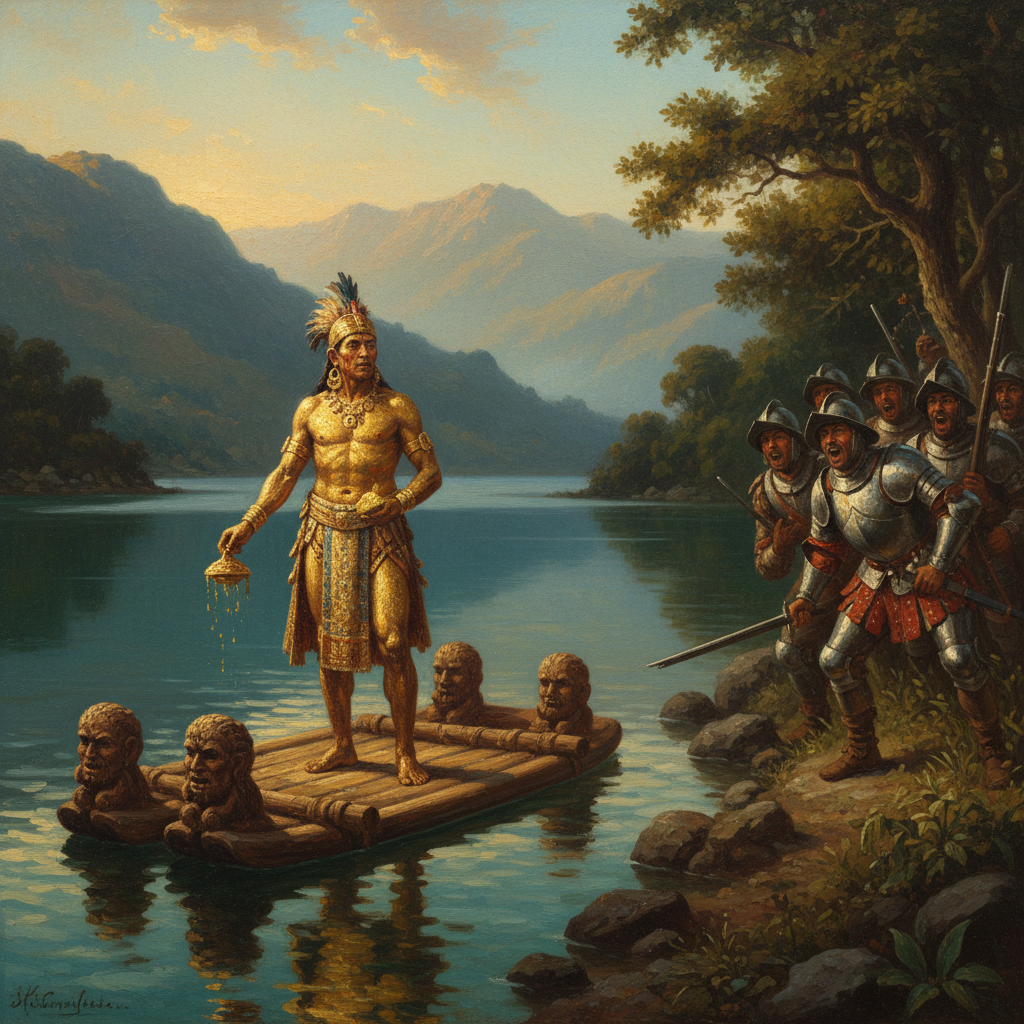
My great-aunt, who could talk a bird out of its own song, she told me that a good story is the best shield. The Muisca had a very, very good story. It involved their new Zipa, or king, getting covered in gold dust until he shone like a holy terror. He’d get on a raft, paddle out to the middle of Lake Guatavita, and throw a few shiny things in, all while his people stood on the shore, wailing as if their hearts were being pulled from their chests. The Spanish, of course, saw this and their brains just… short-circuited. Gonzalo Pizarro and his crew, they heard “city of gold” and not “ceremonial line-item in our quarterly budget”. They saw a man throwing gold in a lake and thought, “My god, they must have so much of the stuff they can just throw it away!” They never once stopped to think, “Maybe this is all the gold they have and this performance is really, really convincing.”
And so the chase began. The Zipa would point a trembling, gold-dusted finger vaguely east. “Oh, El Dorado!” he’d sob, gesturing towards a thousand miles of jaguar-haunted, snake-infested, no-infrastructure-having jungle. “A terrible place! So much gold, you can’t even walk! The glare! We sent our cousin there last year and we miss him terribly!” The Spanish, bless their simple, grasping hearts, would write it all down. *El Dorado, east of here. Very shiny. Sad family.* Then they’d march off into the green hell, dying of everything from malaria to mutual suspicion, while the Muisca went back to what they were actually rich in: salt. The real prize wasn’t gold; it was the massive salt mines at Zipaquirá. An empire runs on salt. It preserves food, cures hides, pays soldiers. You can’t eat gold. You can’t make a single potato taste better with a nugget. But an army marches on a salted ham.
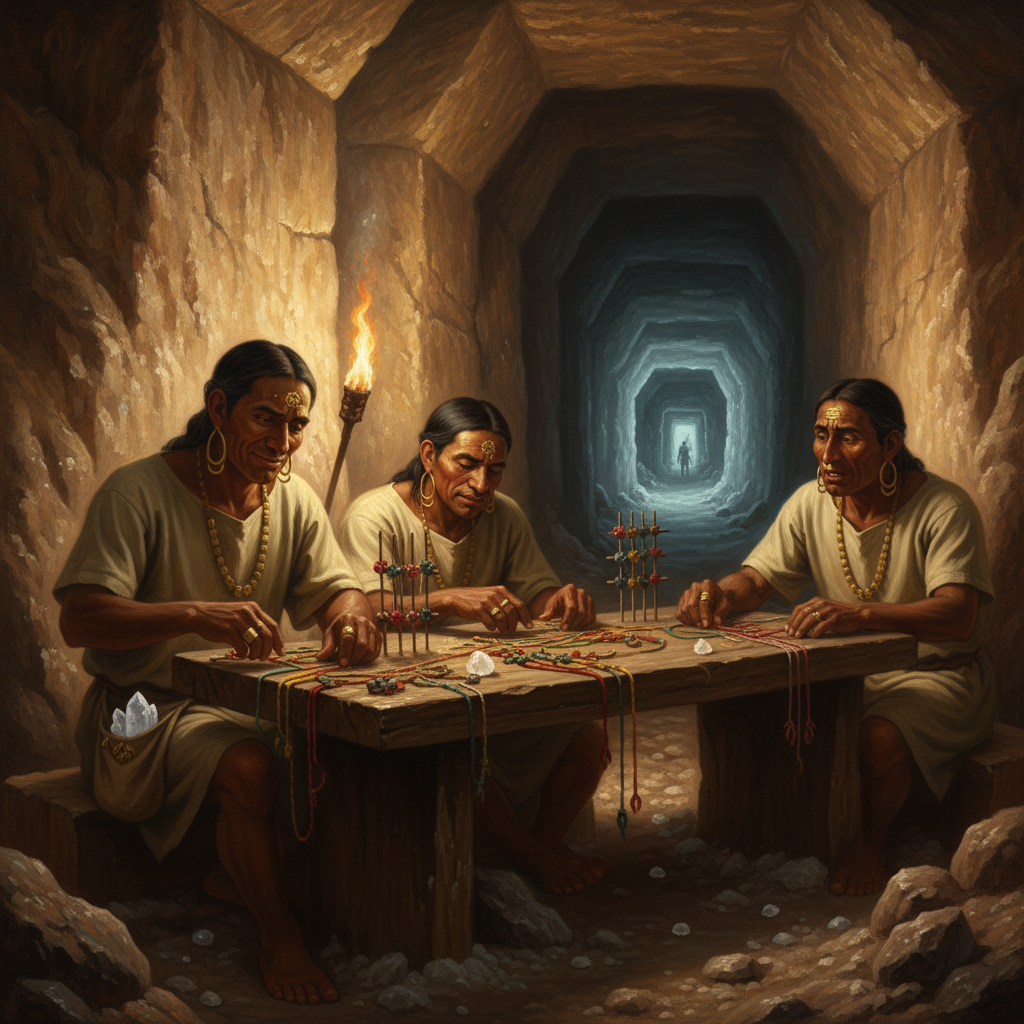
For nearly a century, it was the most successful tax dodge in history. Every time a new boat of ambitious Spaniards arrived, the Muisca would sigh, break out the ceremonial gold dust (a carefully guarded 2.7 kilos, used and reused), pick the loudest crier for the lakeside performance, and send another expedition of saps traipsing towards Brazil. They had it down to a science. The Zipa’s sobs became more convincing. The offerings got slightly smaller each year, to imply scarcity and rising overhead. They even invented a whole phantom bureaucracy for El Dorado, complete with forged quipu records detailing absurd yields that would make a taxman weep with joy, if only he could find the place. He couldn’t. It was a line on a budget, an actor in a costume, a story told so well the listeners died trying to find the sequel.
One day, of course, a particularly humourless Spanish accountant named Ordoño de Ledesma just refused to leave. He sat in the Zipa’s capital for three months, ignoring the gold stories and just counting salt deliveries. The game was up. But what a run it was. And it proves what my grandmother always said: if you want to hide a treasure, don’t bury it. Put it in plain sight, then point at something shiny over there and cry your eyes out. Works every time. Almost.