The Day Robin Hood Robbed The Wrong Bastard
One outlaw, one bad target, and the total financial implosion of the Angevin crown.
Have you ever sent a messenger on an errand, only for him to stop for a drink and give the message to the wrong man? It happens. My grandmother told me that if you send a fool to the market, the market will play with him. This is that story, but with more chainmail.
Here is our fool: Robin Hood. A good man, they say, which usually means a man who is good at one thing and a righteous disaster at everything else. His one thing was archery. His disaster was administration. So when Little John comes panting into Sherwood Forest with news of a treasure convoy heading for the Sheriff of Nottingham’s castle—gold, jewels, the whole year’s tax receipts for the north of England—Robin doesn’t ask questions. He just rallies the boys. The problem, you see, is that the Sheriff wasn’t a tax collector. Not that day. He was the *bagman*. He’d just spent a month shaking down every baron from York to Northampton on behalf of Prince John, who was trying to raise a private slush fund to buy his brother Richard the Lionheart out of a German dungeon and maybe, just maybe, skim 20% off the top for his own troubles.
Robin’s raid was a masterpiece of forest-based banditry. 117 Merry Men, 400 perfectly-aimed arrows, and a net trap that scooped up the lead wagon like a carp from a pond. The guards, seeing their payload dangling sixty feet in the air, did what any sensible men would do when faced with a famously homicidal outlaw: they ran. By dusk, every last coin, coronet, and bejeweled codpiece was being counted in a hollow oak by Friar Tuck, whose abacus was clicking faster than a nun’s rosary during a Viking raid. The total came to 148,000 silver marks. Not just the tax revenue, but the *ransom*. All of it. The entire liquid wealth of the Plantagenet monarchy, gone in an afternoon.
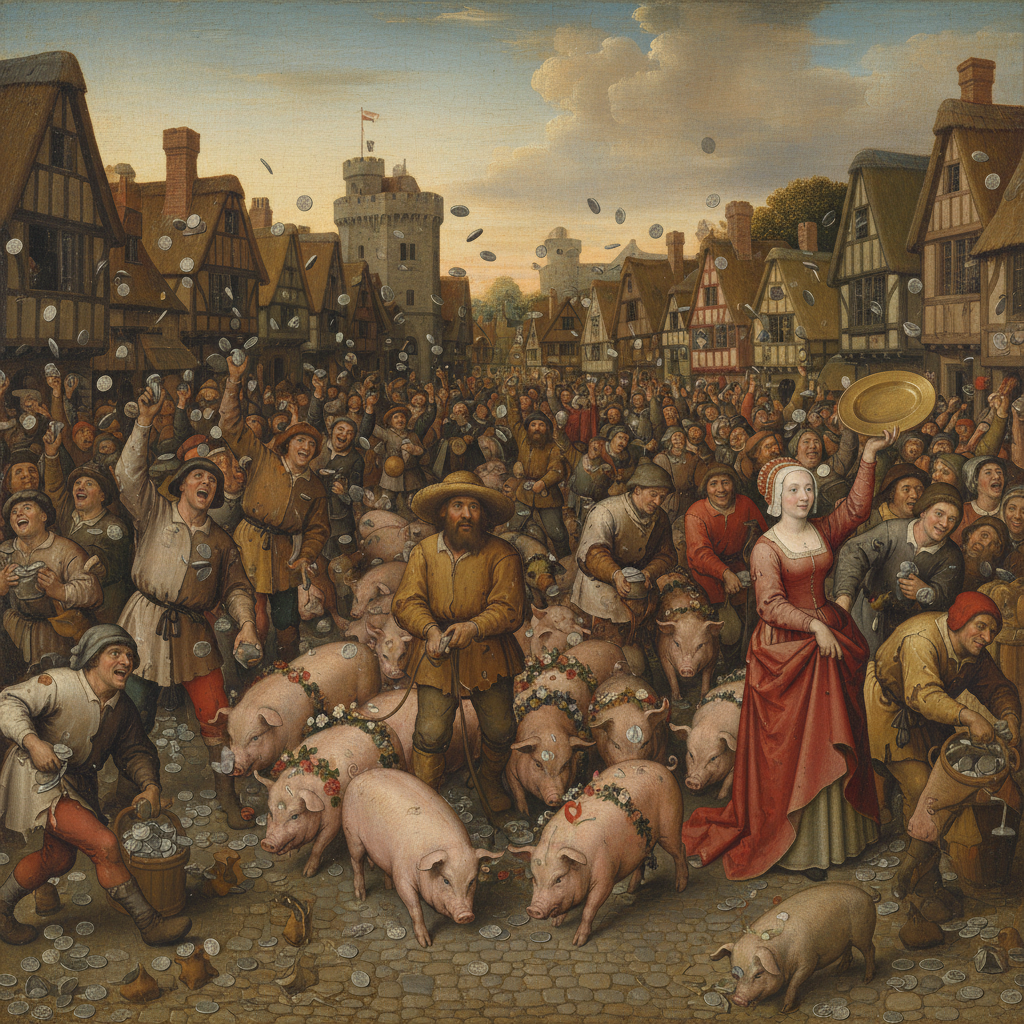
Now, a wise man would have laid low. But Robin, remember, was a *good* man. The next morning, the poor of Nottinghamshire awoke to a festival. Sacks of silver were handed out on the cathedral steps. Every peasant with a grievance got a payout. A farmer whose prize pig had been confiscated received enough to buy three hundred more pigs and a knighthood. A widow was seen using a solid gold Plantagenet dinner plate as a frisbee. Within a week, the north of England was so flush with cash that the price of ale inflated by 6,000 percent and you had to tip the village idiot in silver just to get him to stop singing. Robin had not redistributed the wealth. He’d firehosed it into the economy with all the subtlety of a siege engine, bankrupting the crown and giving half of Yorkshire hyperinflation in the same week. Prince John, on hearing the news, was reportedly so furious he bit a chunk out of a solid oak table and had to be wrestled to the ground by three clerks.
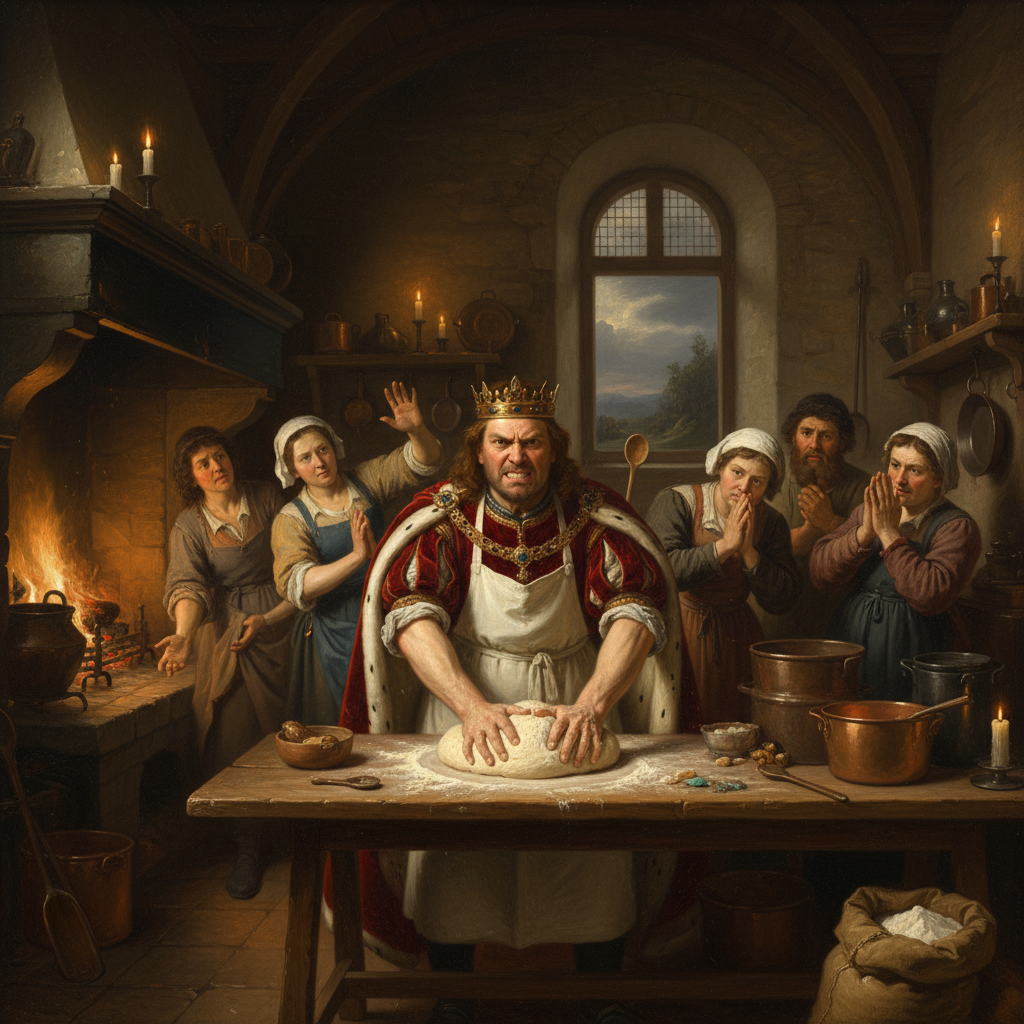
And Richard? He stayed in that German dungeon. For another twenty-five years, in fact. Leopold V of Austria, his captor, eventually got bored of waiting for a ransom that never came and just put the Lionheart to work in his castle kitchens. They say he made a wonderful sous-chef and his venison pies were the toast of Vienna. Robin, meanwhile, never quite understood what he’d done. “But the Sheriff was a wicked tax-gatherer!” he’d insist, to anyone who would listen. “And I am a good man.” See? I told you. The market always plays with a fool.