That Bitch at Delphi Is About to Ruin Your Life, For a Fee
How the ancient world’s most sacred oracle said “fuck you, pay me” and became the original—and most unhelpful—advice columnist.
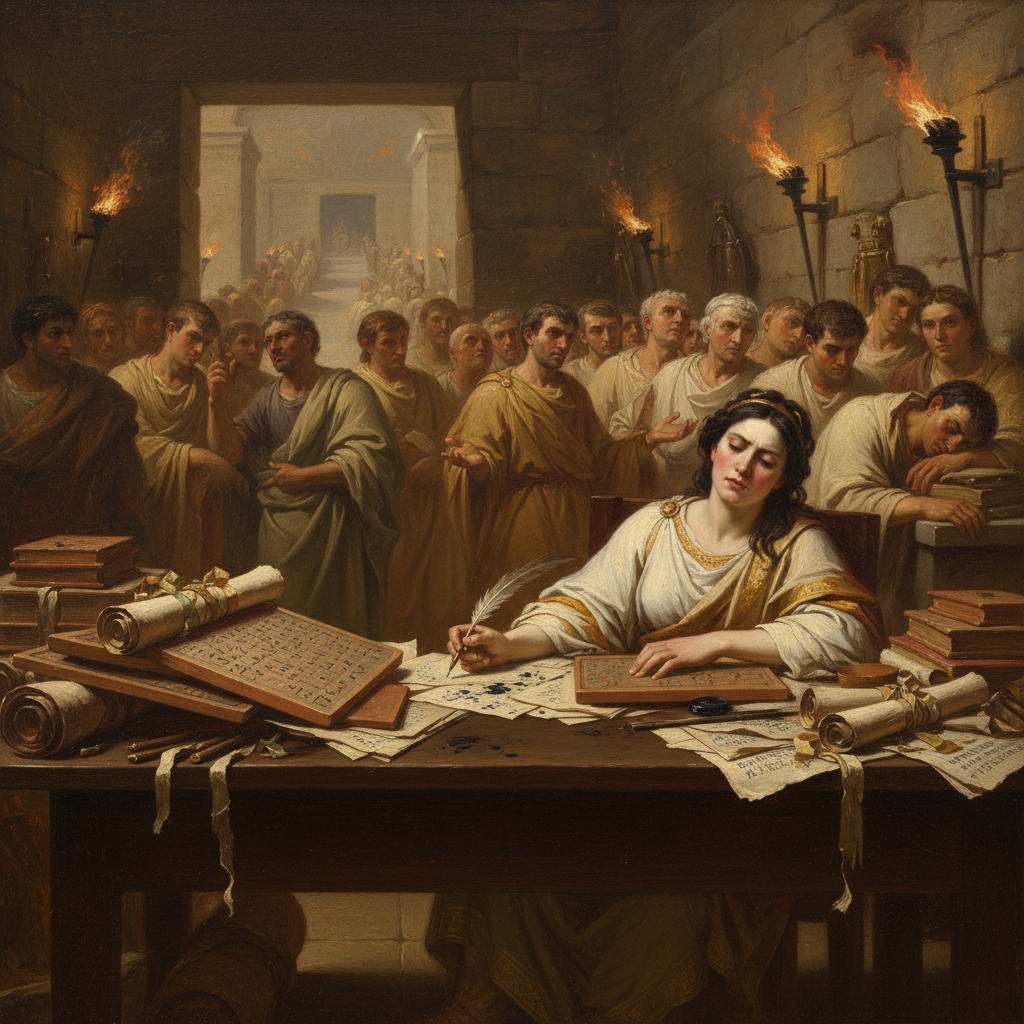

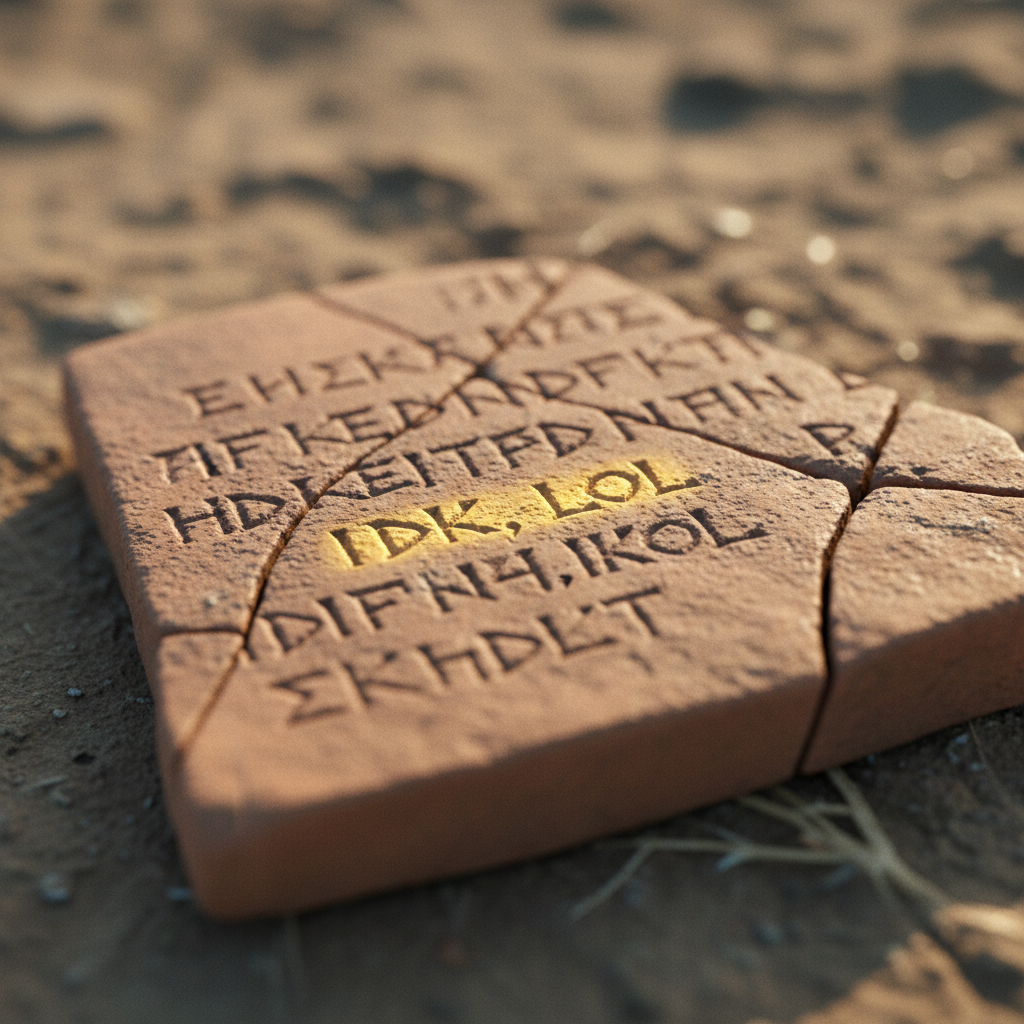
Picture it: Delphi, 800-and-something BC. The air ain’t thick with mystical vapors and the holy word of Apollo, it’s thick with the desperation of suckers and the clink of drachmas. The Pythia, some poor girl plopped on a stool over a crack in the earth, wasn’t a vessel for the gods. She was the Mediterranean’s first paid agony aunt, and her bosses, the priests, were the filthiest capitalists this side of Carthage. Forget divine possession; this was divine *monetization*. Kings, farmers, and horny oligarchs would scratch their deepest anxieties onto clay tablets—"Will my empire prevail?" "Is my neighbor’s wife DTF?" "Will this weird rash on my ass ever clear up?"—and send them via the ancient world’s shittiest postal service. Six to eight weeks later, you’d get a tablet back with an answer so cryptic it made you wish you’d just asked your drunkest uncle instead. All sales final. No refunds. Ask a stupid question, get a goddamn riddle that might get your entire army killed. That’s the Delphi promise.
Of course, it didn’t take long for the priests to invent the world’s first subscription service. The Basic Tier, lovingly called the “Peasant Package,” got you one (1) vague prophecy delivered by a lame donkey and a 50/50 chance it was actually meant for the guy in the next village over. But for a few extra talents of silver? Oh, baby, you could upgrade to Delphi+. This was the premium experience. We’re talking expedited shipping (a slightly faster donkey), a prophecy that was merely “mostly incomprehensible” instead of “batshit insane,” and a complimentary curse for one enemy of your choice. According to the recently discovered receipts of King Croesus of Lydia, he paid extra for the “Burn After Reading” add-on, which ensured his tablet would magically dissolve after he read the famously unhelpful advice to “attack a great empire.” He just assumed it was the *other* guy’s. Whoops. These toga-wearing dipshits basically invented the loot box, and the grand prize was usually just getting thoroughly wrecked in your next war.
Frankly, the historical record—which I keep in a damp crate in my garage—is littered with the epic fails of Delphi’s celebrity clientele. When Philip II of Macedon asked how to conquer Greece, the Pythia allegedly sent back a two-word tablet: “GIT GUD.” Leonidas of Sparta famously inquired about his odds at Thermopylae and received an itemized invoice for “one glorious death, plus taxes.” And don’t even get me started on Oedipus, the poor bastard. His query about his parentage was returned with a note that modern scholars, using advanced carbon-dating vibes, have translated to "YIKES. BIG YIKES. CANCEL YOUR FAMILY REUNION, MY GUY." It was less divine wisdom and more cosmic trolling, a service for which people paid handsomely. It’s the oldest grift in the book: convince people you have answers, then give them a metaphysical shrug emoji etched in stone.
This whole racket couldn’t last, not because people lost faith, but because the market got saturated. Suddenly everyone was a prophet-for-profit. The Oracle of Siwa started a newsletter. The Cumaean Sibyl was selling personalized hexes on whatever the Greek equivalent of Etsy was. It was a speculative bubble of bullshit, and it popped fabulously. The whole system crashed not under the weight of Roman conquest, but under the crushing deluge of too many mystics trying to sell the same shitty life coaching. In the end, the most enduring legacy of Delphi wasn’t prophecy, but the invention of the terms and conditions agreement, forever enshrining the sacred right to give terrible advice and not be held responsible for the apocalyptic consequences.