Salem’s Other Cash Crop Was Beaver
Seventy-eight percent of accusations, our analysts find, were levelled at women whose husbands had suspiciously good fur seasons. The math is the math.
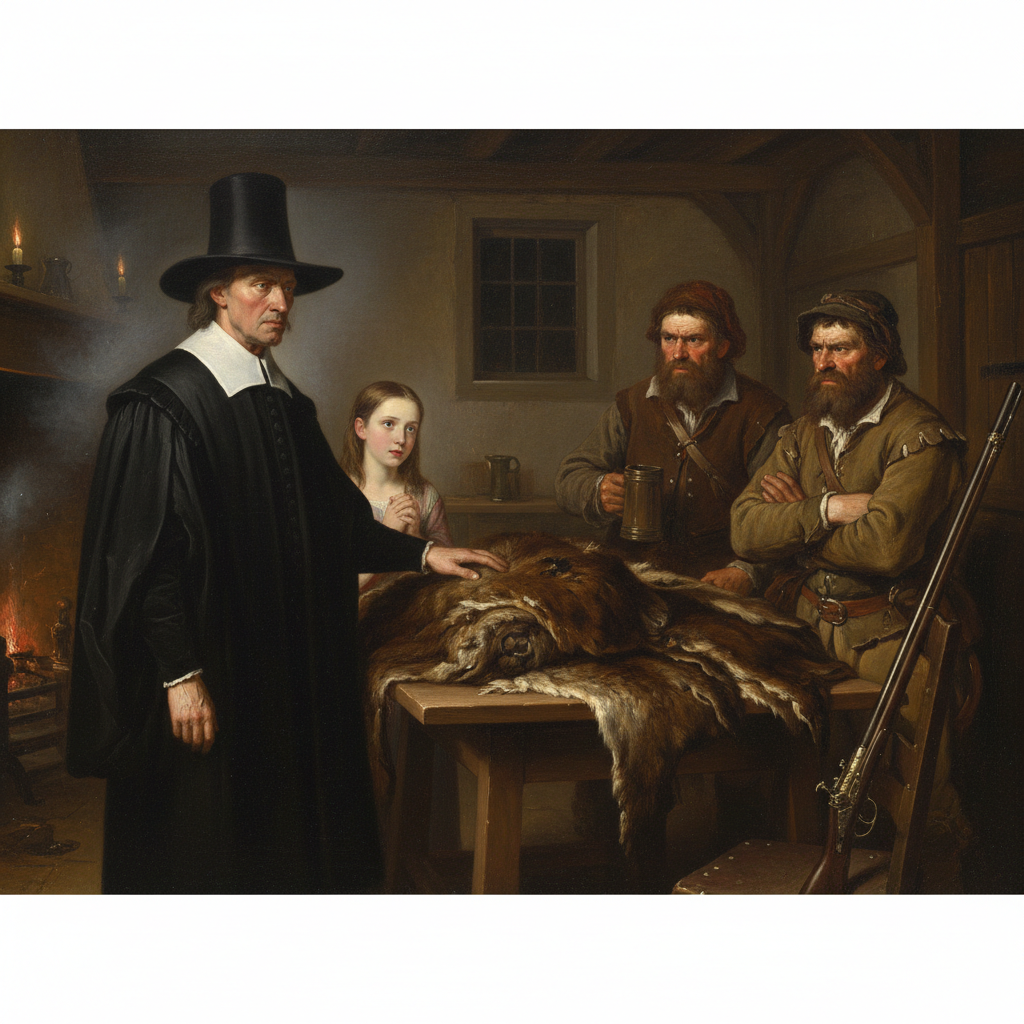
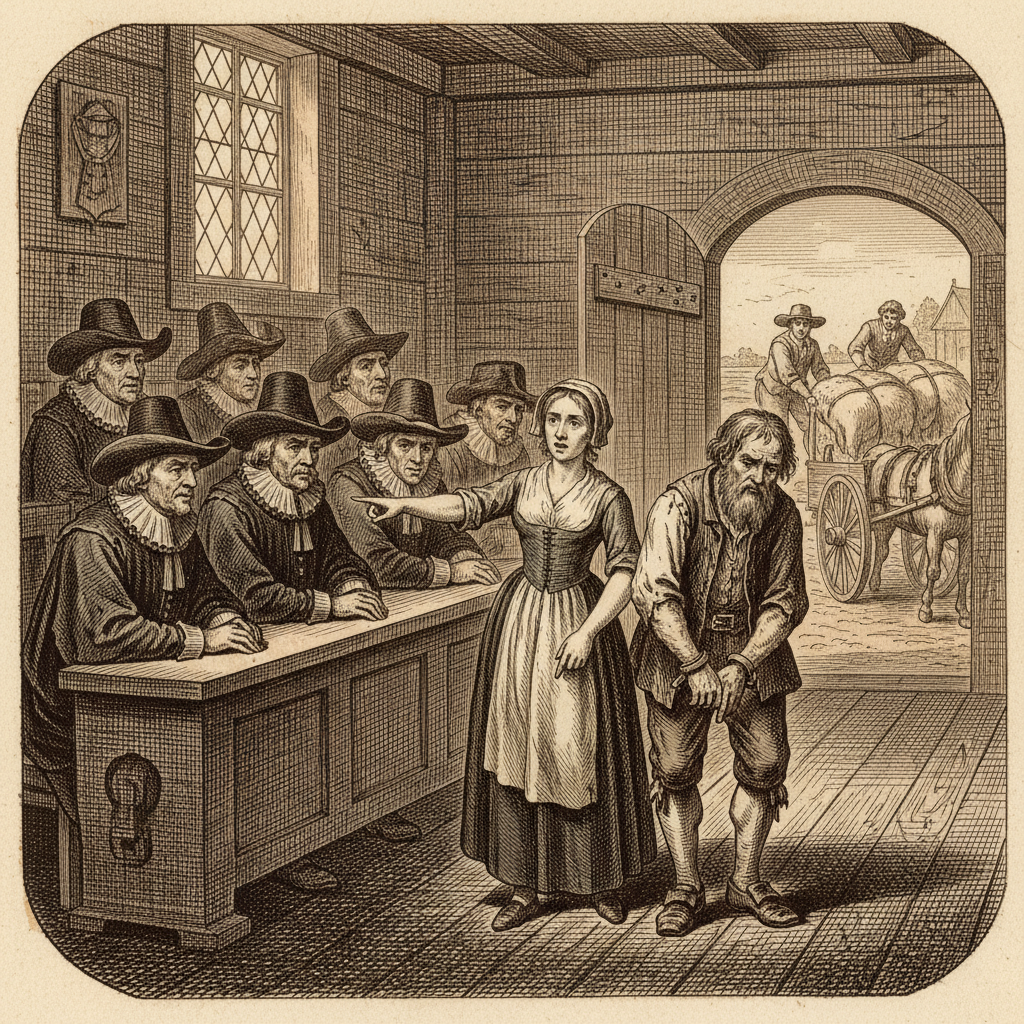
It began, as these things so often do, with a tax dispute and a particularly vindictive goose. The Town of Salem, you see, was existentially furious about its rates, and had spent the better part of a generation suing its neighbours in Salem Village over grazing rights, firewood access, and the appropriate social distance from which to glare at a man’s livestock. By 1692, the whole arrangement was a tinderbox of petty grievances waiting for a spark. And the spark, it turned out, wasn’t adolescent hysteria. It was felt hats. Specifically, the beaver-pelt hats whose skyrocketing price in London was making some Massachusetts fur trappers indecently wealthy, and their neighbours indecently jealous. Enter the Reverend Samuel Parris, a man whose previous career as a failed Caribbean sugar merchant had taught him everything about creative accounting and precisely nothing about pastoral care. When his daughter Betty and niece Abigail started their infamous fits, Parris didn’t see demonic possession. He saw a market opportunity. The first to be accused, naturally, were the village’s resident weirdos — a Caribbean slave, a beggar, a woman who’d married a servant. But Parris, along with a select group of village elders who formed an unofficial ‘Special Committee for Fur Price Stabilization,’ had bigger fish to fry. Or, rather, bigger pelts. Their primary target: anyone whose trapping lines were pulling in suspiciously high-quality beaver, and who wasn’t part of their price-fixing scheme. The mechanism was beautiful in its bureaucratic simplicity. First, an accusation from one of the “afflicted” girls, whose performances grew more theatrical with every subpoena. Second, a preliminary hearing where the key evidence was ‘spectral,’ meaning the accuser saw your ghost pinching them. Good luck cross-examining a ghost. Third, and this was the masterstroke, came the property seizure. Under a freshly minted local ordinance (Ordinance 1692-7B, “Concerning the Forfeiture of Assets Presently Tainted by Diabolism”), the worldly goods of the accused were impounded pending trial. And wouldn’t you know it, the most valuable and easily transportable of these goods were always the bales of beaver pelts stored in the barn. Said pelts were then discreetly sold off to a ‘third-party holding company’ — Parris’s cousin’s shipping firm in Boston — at a steep discount. The scheme spiralled, as good schemes do. Soon, accusations were flying not just at trappers, but at the magistrates who refused to convict, the merchants who offered the wrong price, and one unfortunate fellow from Andover whose only crime was owning a beaver-pelt coat so magnificent it was deemed ‘an affront to God’s humble creatures.’ The trials only ended when Governor William Phips, whose own investments in the Hudson’s Bay Company were suddenly tanking, sailed back from Quebec and saw what was happening to the colonial fur market. He didn’t pardon the accused out of enlightenment principle. He did it because Parris and his cronies had flooded the market with cheap, confiscated pelts and crashed the price of beaver by forty percent. The final tally: twenty dead, two hundred accused, and one very stable, very low price for top-grade Massachusetts beaver felt. Parris was run out of town not for sending people to the gallows, but for committing the one unforgivable sin in the New World: catastrophic market interference. Asked later why she’d accused her neighbour, one of the girls just shrugged. “His wife had a new cloak and my father’s traps were full of squirrels,” she said. “It seemed only fair.”