ROME’S FIRST PUBLIC HEALTH MINISTER WAS A PROFESSIONAL BLACKMAILER
How the noble science of sanitation began as a literal pissing contest between plumbers and politicians.
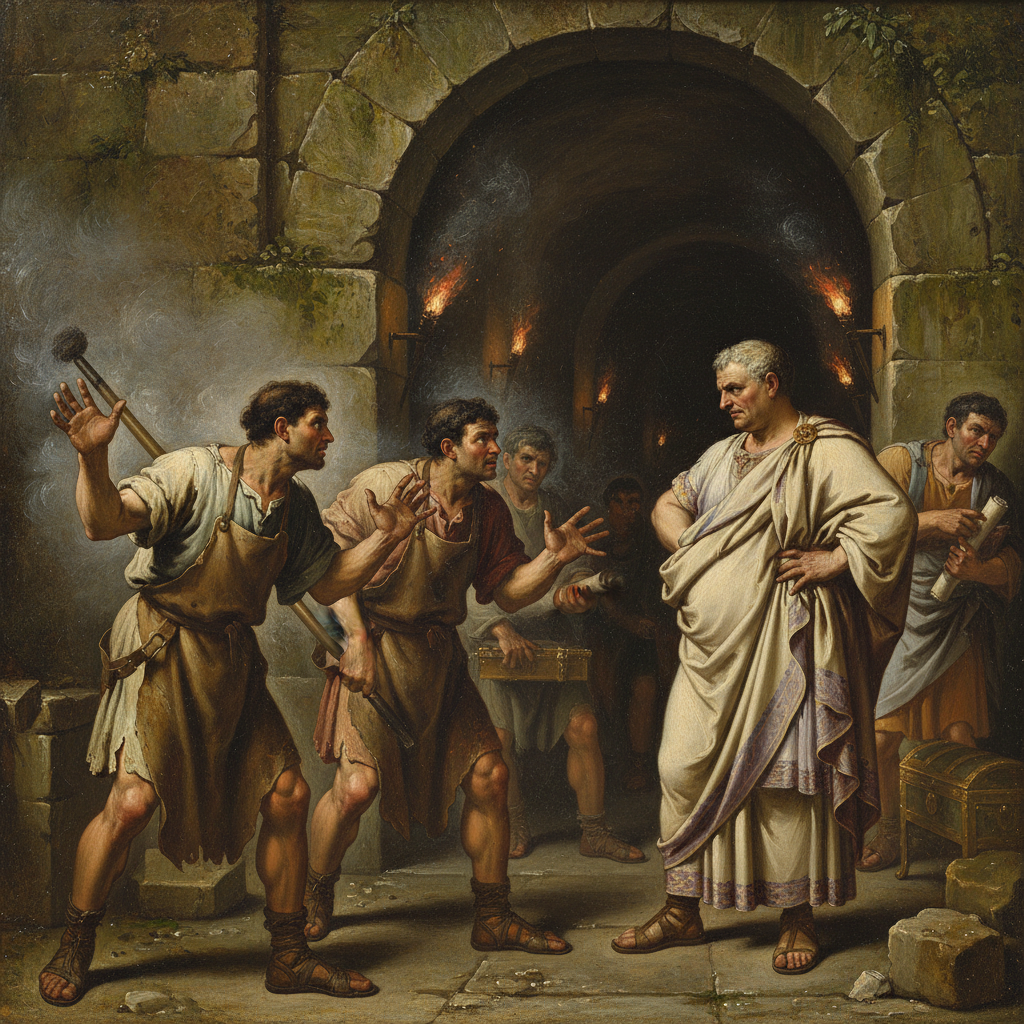

All hail the *Fraternitas Cloacarum*, the Brotherhood of the Sewers. In the grand, toga-clad drama of ancient Rome, these boys were the uncredited stagehands. While senators were upstairs gargling wine and debating the optimal number of stab wounds for a dictator, the Brotherhood was downstairs in the muck, making sure the whole glittering enterprise didn’t drown in its own shit. Their reward? The social status of a used amphora and pay that was frequently, let’s say, *creatively deferred* by the city’s patrician bean-counters.
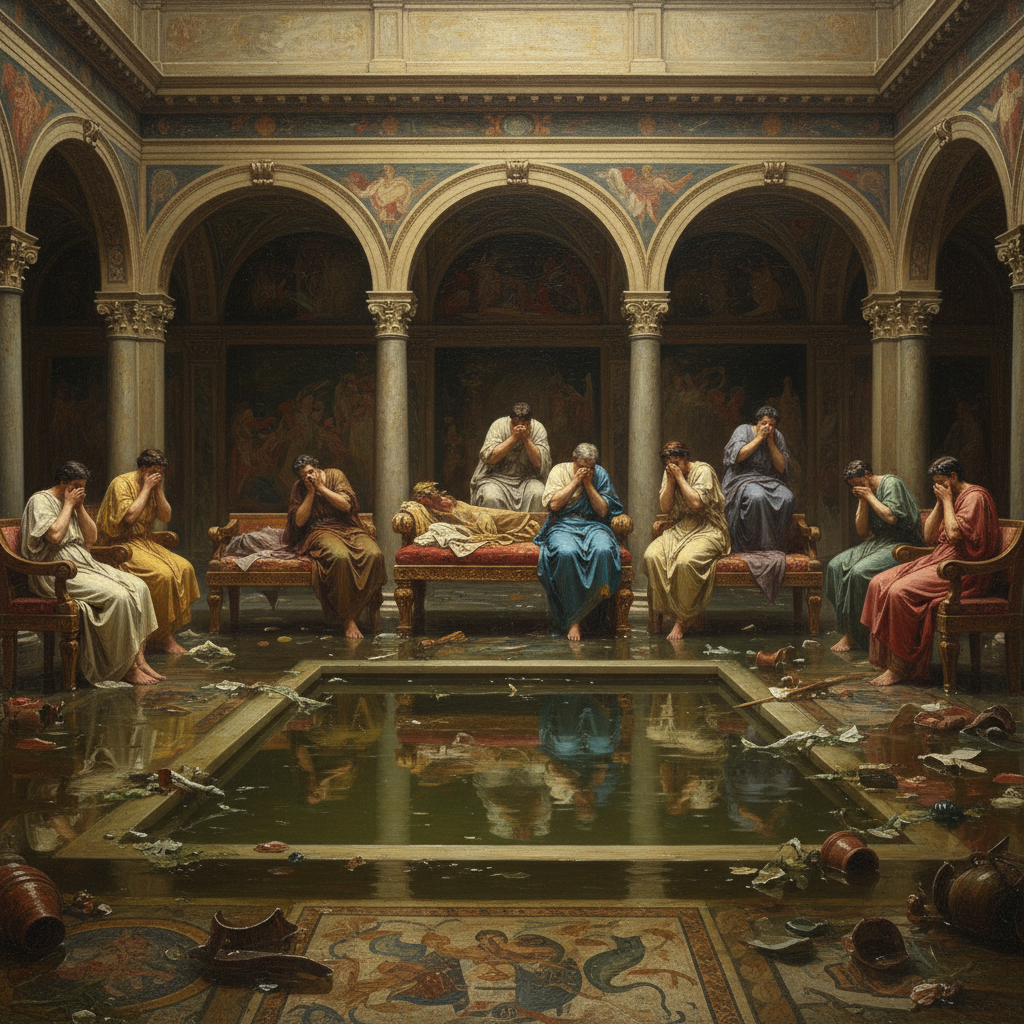
Enter Manius Crapulus. (Yes, that was his real name, shut up, my sources are impeccable, I left them in a bar somewhere.) Crapulus wasn’t just the guild master; he was a visionary, a poet of putrescence. He looked at the Cloaca Maxima not as a glorified toilet, but as a weapon system. When the notoriously tight-fisted Senator Gastridius Fartus decided the guild’s latest invoice was “non-essential spending,” Manius didn’t protest. He just rerouted a key junction. Two days later, a slurry of miscellaneous bathhouse effluvia, butcher shop trimmings, and the collected sins of the Subura district began bubbling up through the floor of Fartus’s favourite mosaic-tiled shitter. The senator’s palatial villa on the Palatine Hill suddenly smelled like the business end of a sick griffin. The bill was paid, with interest.
Suddenly, the Brotherhood was in a new line of work. They became the city’s most effective political lobbyists. A rival trying to block your grain shipment bill? Unfortunate “blockage” outside his apartment block. Need to swing a vote on a new temple contract? Funny how the public fountains in your opponent’s district suddenly start dispensing something a lot more… *viscous* than water. The guild developed a color-coded map of Rome’s entire water and waste network, a masterpiece of hydraulic engineering created for the sole purpose of targeted, weaponized stink. They were the ancient world’s first sanitation mafia, running a protection racket where the protection was from their own goddamn plumbing.
But here’s the kicker. To be good at blackmail, you have to be able to turn the problem *off* again. This forced the Brotherhood to become absurdly, unprecedentedly good at their jobs. They charted flows, documented pressure drops, and kept meticulous records. A weird side effect started popping up in their ledgers: the cleaner the pipes in a neighborhood, the fewer people seemed to die of the “bloody flux.” They’d accidentally invented epidemiology, not through a noble quest for health, but as a way to fine-tune their extortion racket. “你看, if we clear the blockage in Insula V,” a hypothetical Crapulus might say, “their senator is happy, the plebs stop dying of dysentery, and we can charge triple for ‘preventative maintenance.’ Everybody wins, except all the dead people from last week.”
By the time Emperor Augustus got wise, he didn’t crush them. He institutionalized them. He created the *Praefectus Stercoris* (I’m paraphrasing, it means the Duke of Doo-Doo) and put Crapulus himself in charge. The first line-item in the new Imperial budget for “public hygiene” was a slush fund for political enforcement. Historians would later praise Rome for its forward-thinking approach to urban health, never realizing the entire system was built on the back of one plumber who figured out that the fastest way to a politician’s vote was through his nose.