FOG-DAMN IT ALL: HOW 19TH-CENTURY LIGHTHOUSES ACCIDENTALLY ICED THE COASTLINE
A Tale of Architectural Hubris, Perpetual Dampness, and One Seriously Over-Engineered Lens.
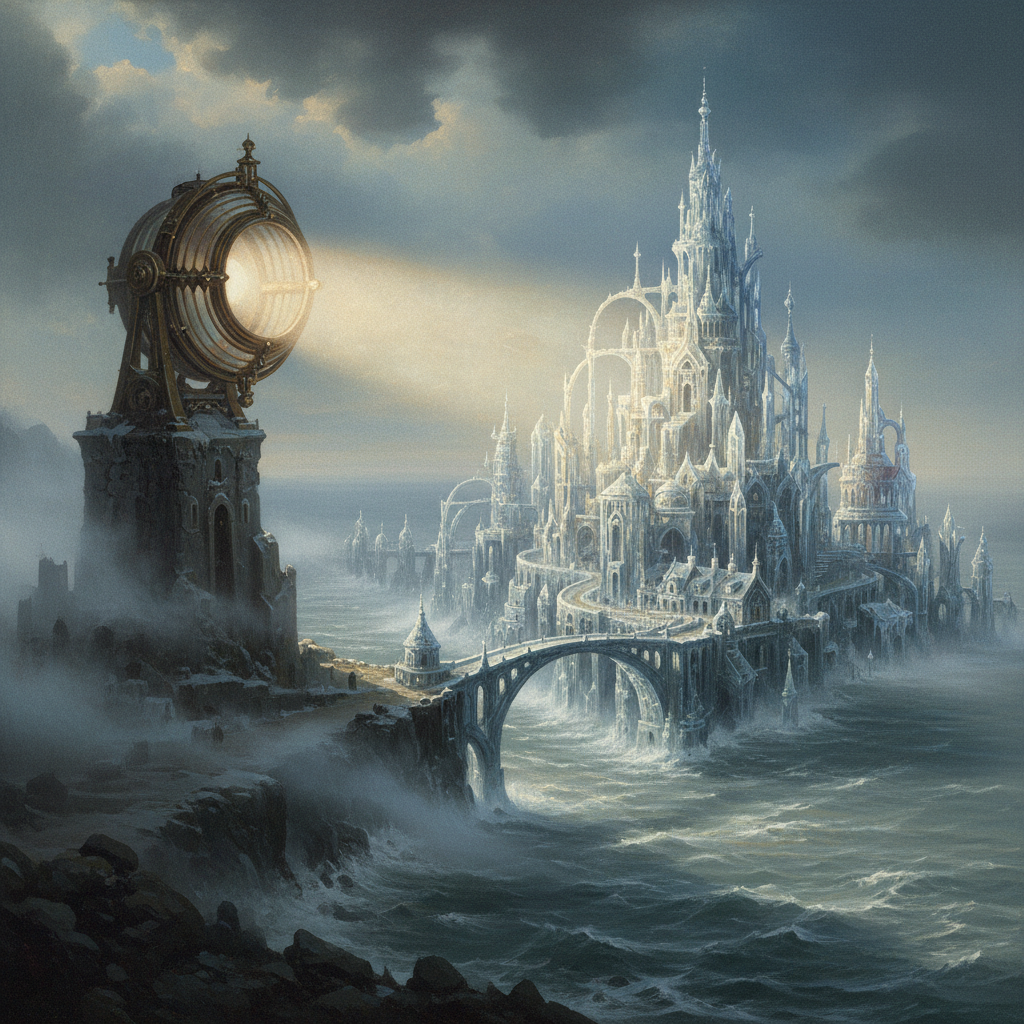
Augustin-Jean Fresnel can gargle my ball bearings. Yes, the man gave us the Fresnel lens, a marvel of optical engineering that saved countless ships. But his fanboys—oh, his insufferable, tinkering, pompous little fanboys—are the reason half of Europe’s coast looked like a Las Vegas casino designed by Elsa for most of the Victorian era.
The original problem was simple: lighthouses weren’t bright enough. Fog, rain, and sheer distance conspired to keep ships guessing. So, a gaggle of engineers, egged on by the various Royal Societies who wouldn’t know a piston from their own prostates, started tinkering. They wanted to amplify the beam. One such genius, a man named Henderson P. Croft—a man whose primary contribution to science had thus far been a self-peeling potato—hit upon a disastrously brilliant idea in 1861. He figured, why not use a super-heated chemical cocktail, shot through a series of pressurized tubes and focused by the lens, to make the *air itself* glow? What a prick.
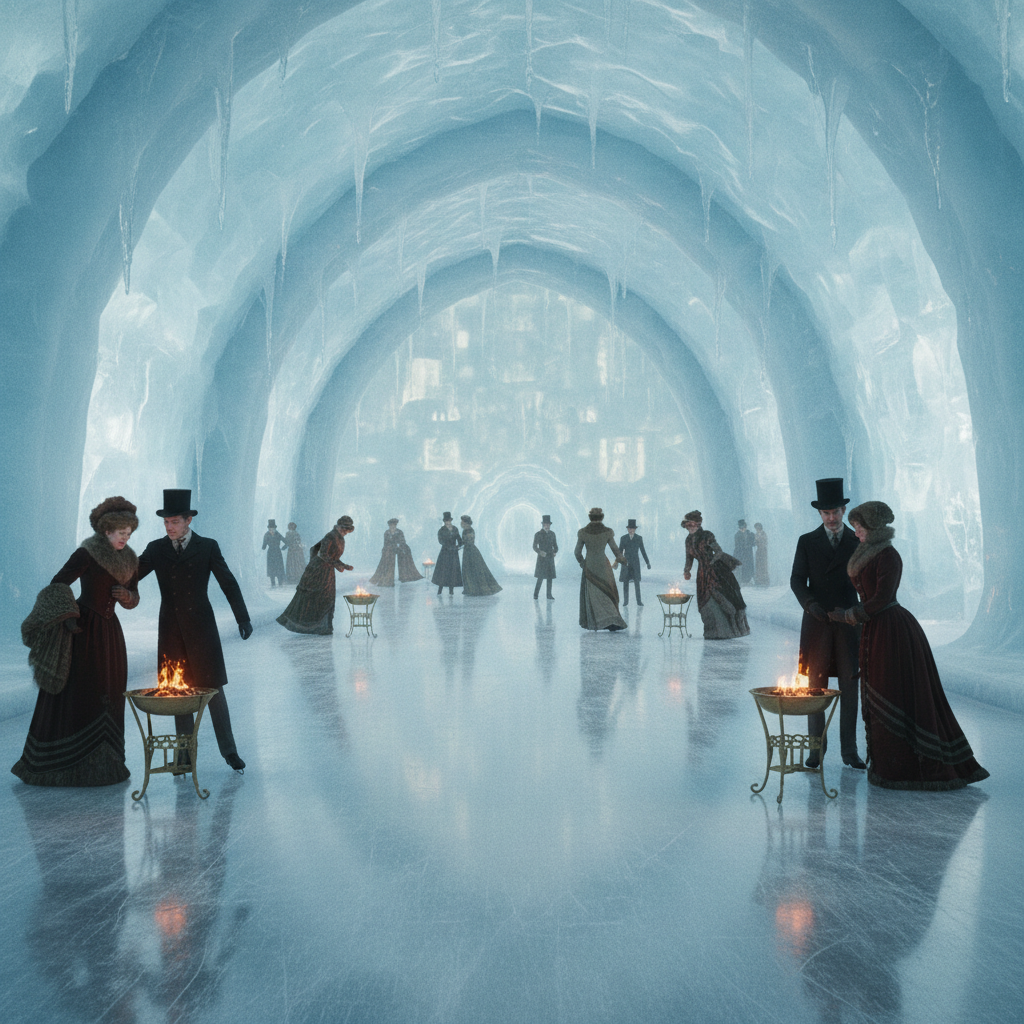
Naturally, his machine didn’t work. Not in the way he wanted. Instead of creating a pillar of light, Croft’s Megascope Mark IV—a thundering brass behemoth that sounded like a thousand kettles screaming for mercy—did something far weirder. On a particularly foggy night off the coast of Dover, the focused beam of aerosolized silver nitrate and super-chilled brine solution didn’t illuminate the mist. It *solidified* it. Instantly. What was once a grey, soupy nothing was now a hard, crystalline, eerily glowing wall of what Croft dubbed “Lux-Ice.” It was beautiful. It was mesmerising. And it was about as useful for maritime navigation as a chocolate teapot.
But you know bureaucracy. The Admiralty saw a cheap way to build coastal forts. The Treasury saw a way to house the poor in shimmering, artisanal slums. Queen Victoria’s idiot cousin, the Duke of Argyll, commissioned a glittering seaside palace made entirely of the stuff, complete with Lux-Ice gargoyles that, in a mild heatwave, would weep themselves into oblivion. For thirty years, the great powers engaged in a “Crystalline Arms Race,” abandoning boring old stone for these magnificent, creaking, and profoundly damp structures. They were a nightmare. The constant, low-level hum from the focusing engines drove people mad. Smugglers had a field day; why pick a lock when you can just use a hot kettle to melt a new door? The grandest of them all, the “Crystal Bulwark of Cherbourg,” slumped into a ten-million-gallon slushie in the summer of 1888, taking with it two generals and a truly staggering quantity of contraband cheese.
And the best part? The *original* problem? Lighthouses? They just bolted one of Croft’s defective engines onto them, which only made the fog thicker and provided more raw material for the next ghastly, glistening architectural folly. It set back actual marine safety by half a century. All for a bunch of frozen water, looking pretty. Honestly, give me a good, honest steam boiler and a shed full of coal any day.