Corpse on the Ice Cap Finally Explains Himself
Ötzi the Iceman’s 5,300-year-old cold case gets a new suspect: a very, very bad mushroom.

The crime scene, as first reported in 1991: one adult male, face down in an Alpine glacier on the Austro-Italian border. The press called him Ötzi. The ME’s report, give or take a few millennia, was thorough. Cause of death: exsanguination from an arrow wound to the back. Contributing factors: a nasty crack on the head, sundry cuts and bruises, and a gut full of ibex jerky, einkorn wheat, and toxic fern.
That last bit raised some eyebrows at the precinct. But this is how a case goes cold. The evidence gets filed, the witnesses are long dead, and the body’s too frozen to talk. You get a weapon, you get a motive—the guy was clearly in a scrap—but you don’t have a perpetrator. All we knew was that someone, circa 3300 BCE, shot this man in the back and left him to die on a mountain. Case closed, suspect unknown.
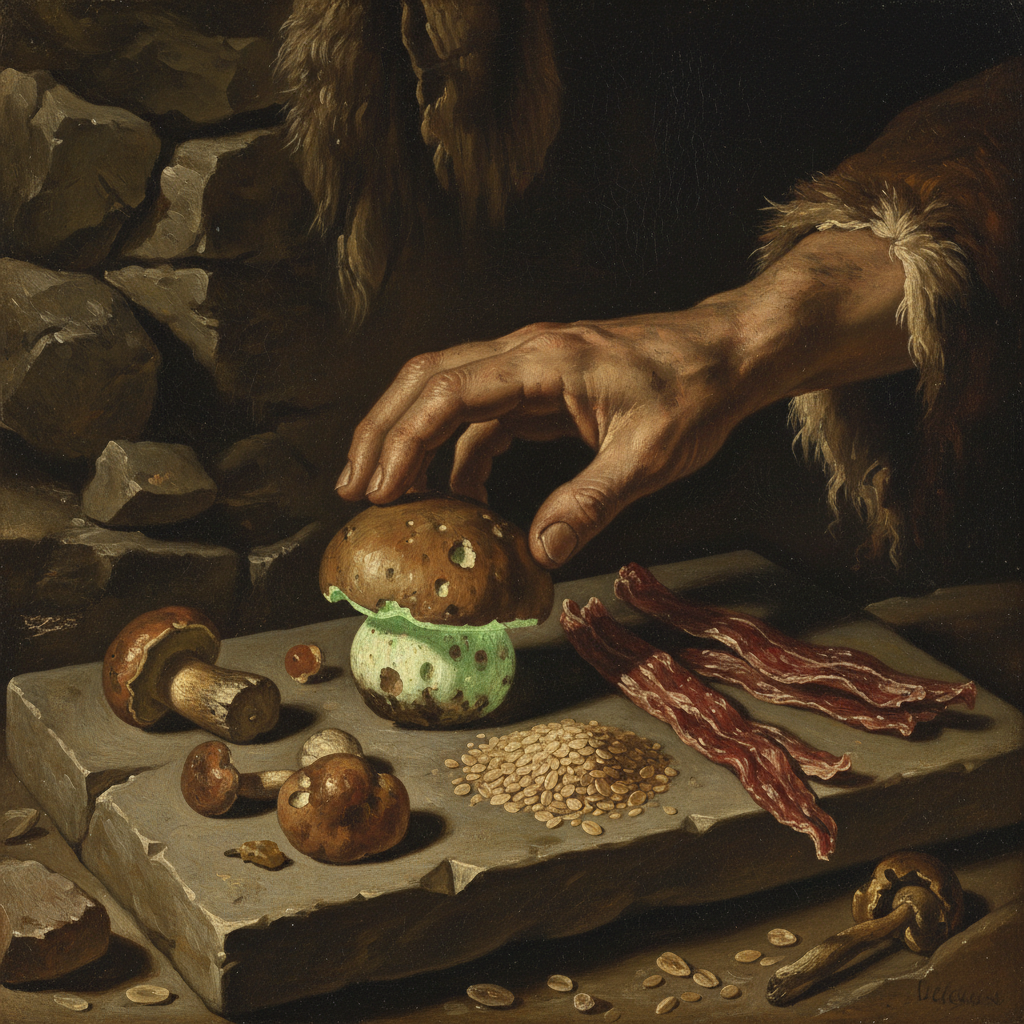
Except we misread the evidence. The real perp wasn’t some rival hunter or a grudge-holding shaman. It was dinner. Specifically, a helping of *Psilocybe serbica* that got mixed in with the bracken fern he chowed down on foraged greens. Our man wasn’t fleeing an ambush. He was tripping balls.
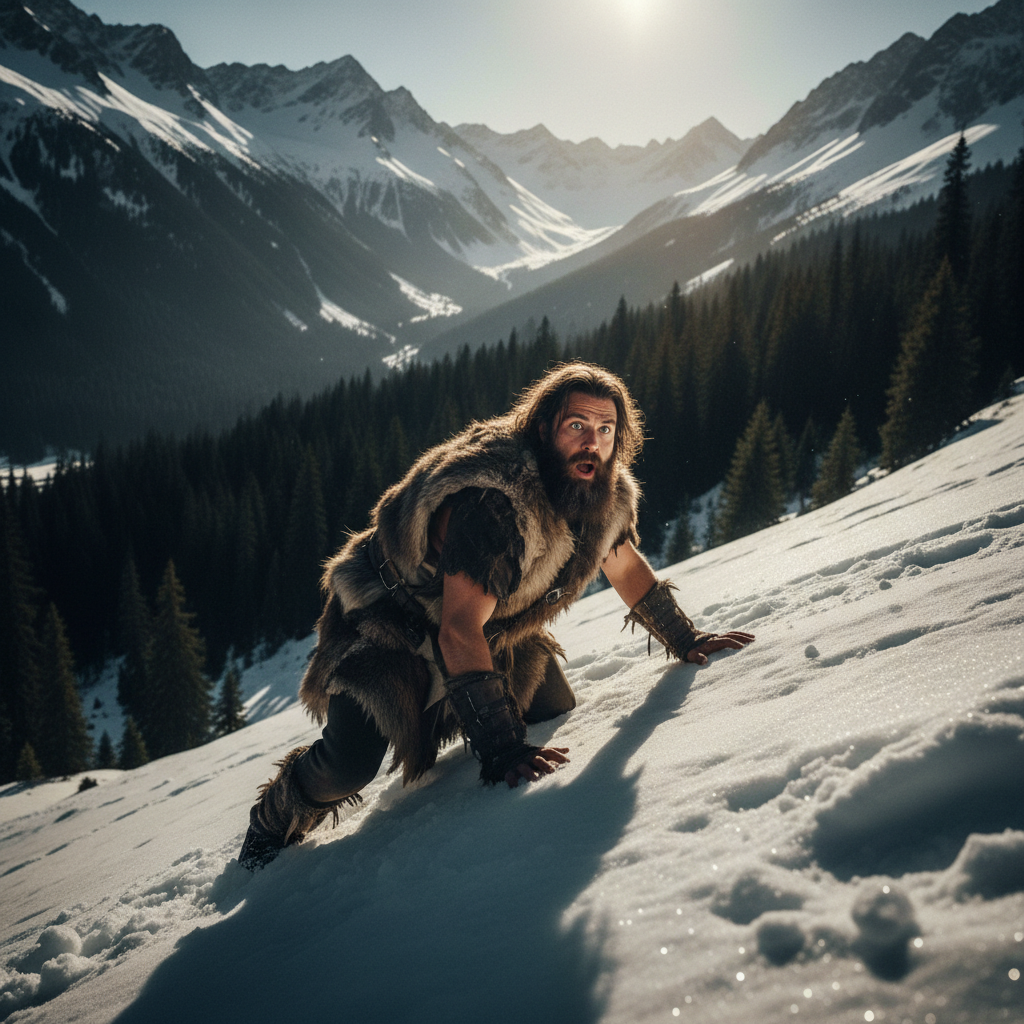
Picture it. Ötzi, feeling peckish, snacks on some mushrooms he found near a patch of woods. Twenty minutes later, the colours get loud. The ibex jerky in his stomach starts whispering state secrets. The stately, silent pines on the mountainside grow legs and begin a menacing, slow-motion advance up the slope. His own copper axe starts looking at him funny. He does the only sensible thing a person can do when confronted with an army of killer trees: he bolts. He scrambles up the ice, a one-man strategic retreat from an enemy that exists only between his ears. He runs for hours, fuelled by pure, pants-shitting paranoia, until he slips, falls, and cracks his head on a rock. Dazed and confused, he fumbles in his quiver for an arrow. Maybe he tries to shoot the sun, maybe he’s aiming for a particularly shifty-looking boulder. He trips again, falls on his own arrowhead, and bleeds out into the ice, utterly convinced he’s made a heroic last stand against the vengeful spirits of the forest. He dies a hero in his own mind, a casualty in the war against arboreal assassins.
The final indignity wasn't the ice or the 5,300-year wait for a proper burial. It was the forensics. The most famous murder victim of the Copper Age wasn’t murdered at all. He was just history’s first recorded case of death by being extremely, catastrophically high.