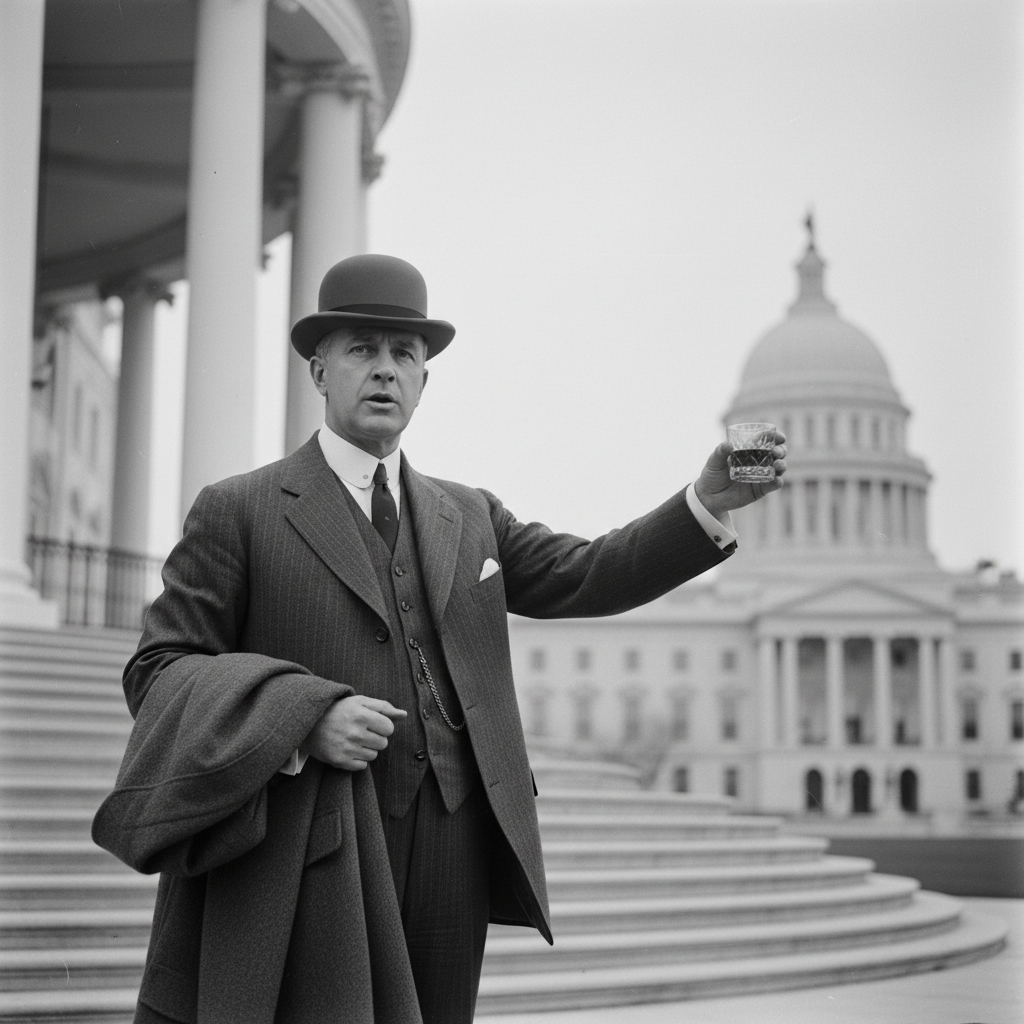
Wall Street Lays an Egg, One Year Early
A single stray zero on the ticker tape proves that 1928 was just 1929 in rehearsal.
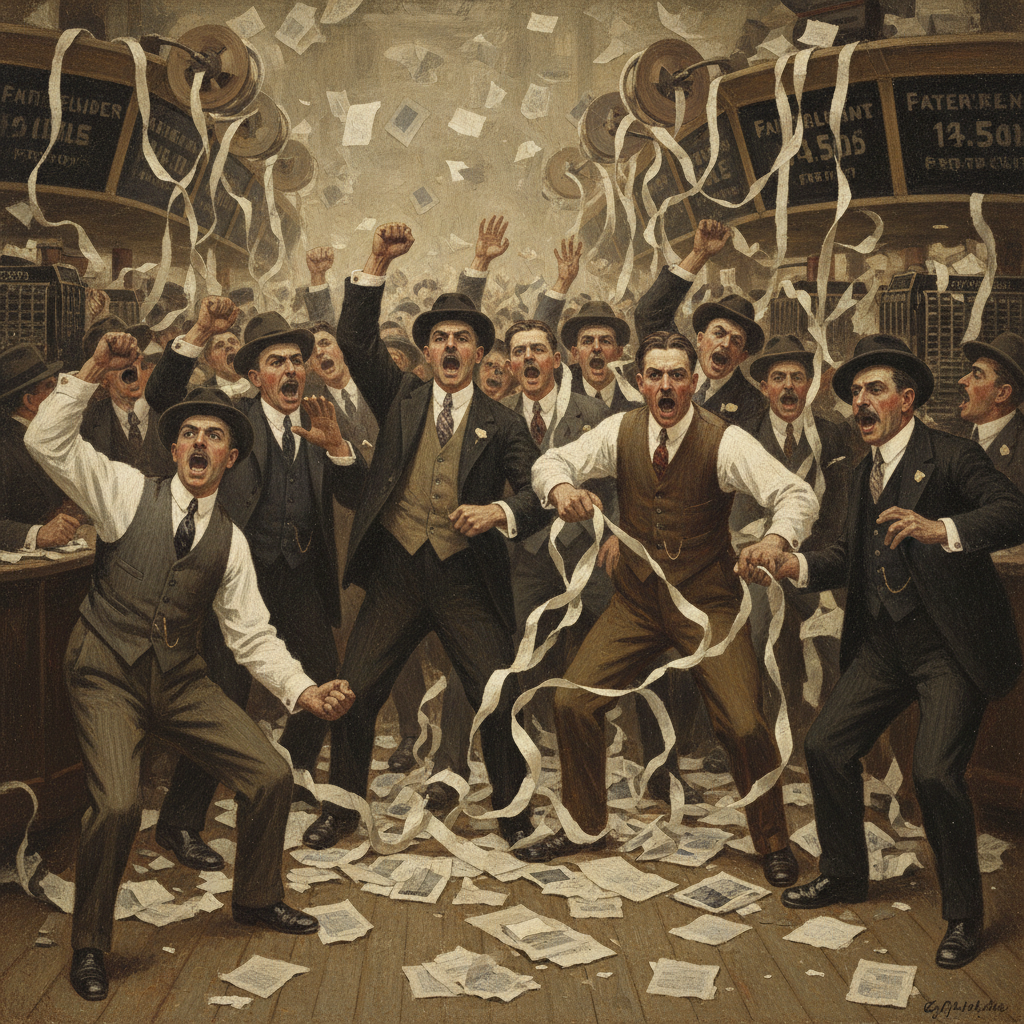
The liability was booked on Thursday, October 24th, 1928. Not 1929. The difference is twelve months, 3.7 billion dollars in margin calls, and one exhausted ticker-tape operator at the Curb Exchange who, at 2:37 PM, keyed in a trade for Radio Corporation of America at $4.50 instead of $45.00.
Within nine minutes, the arbitrage boys who lived for this shit had hammered RCA down to $2.00 on the Big Board, convinced a whale was dumping the position. The ticker, already struggling to keep pace with the day’s volume, began to lag, printing trades that were minutes old and already deeply wrong. It reported the RCA price as $4.50, then as $4.05, then, as the panic spread to other glamour stocks, began printing numbers that looked like typos from a drunkard. General Electric at $11.50. Montgomery Ward at $6.75. For ten critical minutes, the entire output of the nation’s premier financial reporting system was a balance sheet from hell.
President Calvin Coolidge, a man whose chief economic policy was taking a nap, was roused to be told that the Dow Jones Industrial Average had misplaced 87% of its value in the time it took to digest a light lunch. His response, now legendary, was to ask his Treasury Secretary, Andrew Mellon, if this was his fault. Mellon, whose net worth was busy imploding, replied, “Sir, at this point, it is everyone’s fault.” The emergency conclave of bankers that gathered at J.P. Morgan & Co. did its best, but trying to un-shit this particular bed was like trying to put a single drop of spilled ink back in the bottle. By the time the ticker was halted, every speculator from the big trusts down to the shoe-shine boys had been liquidated.
This early-onset Great Depression arrived in a country utterly unprepared for a recession, let alone a balance-sheet cataclysm. The Republican Party, campaigning on a platform of “A Chicken in Every Pot,” was forced to revise its slogan to “A Chicken in Some Pots, We Are Doing an Audit.” Herbert Hoover, the Republican nominee, saw his reputation as a managerial genius evaporate. He lost the 1928 election in a historic landslide to Al Smith, the Democratic governor of New York, whose campaign consisted of pointing at the smouldering crater of Wall Street and asking, “Seriously?” Smith, a Catholic, a Wet, and a creature of Tammany Hall, walked into the White House with a mandate to do *something*. Anything. His first act: repealing Prohibition, on the grounds that the Treasury could really, really use the tax revenue. Audit note: he was not wrong.