Thomas Jefferson’s Bonaparte Fide
A sloppy bit of spycraft, a splash of heat, and the United States of Louisiana.
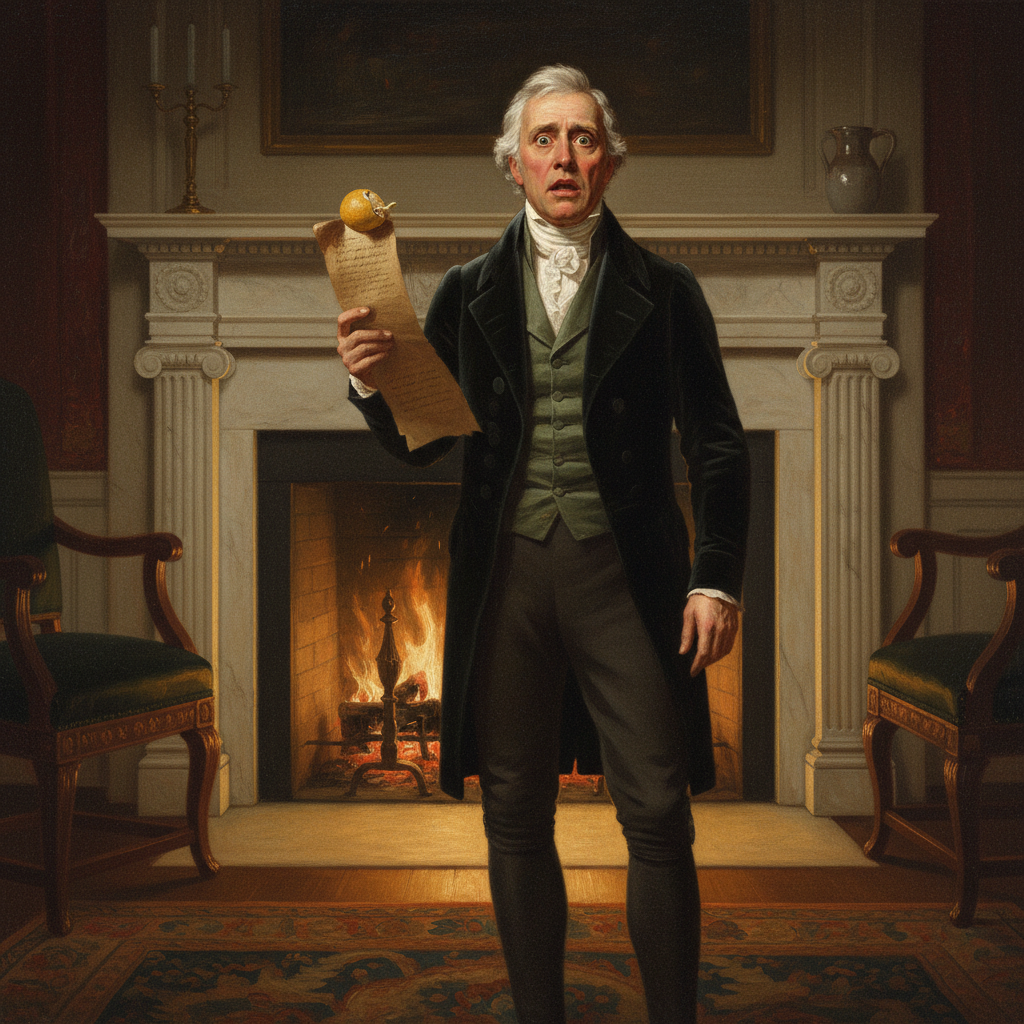
‘‘Sir,’’ the letter opened. ‘‘The weather on this side of the Atlantic is significantly warmer than in Paris.’’ A standard pleasantry, from Thomas Jefferson, then Minister to France, to a colleague back in the United States in 1785. Or so it seemed. But when a clerk in the new republic’s threadbare Department of Foreign Affairs left the dispatch a little too close to the fireplace, a second message bloomed into view, shimmering in a faint brown between the lines of the first. The invisible ink, a simple mix of milk and lemon juice, was a child’s trick, really. Jefferson, a man who tinkered with everything from polygraphs to macaroni, should have known better. The message, however, was not for children: ‘‘N., I await your command. The eagle must learn to fly with one wing.’’
Nobody knew who ‘N’ was. Not at first. The secondary message was written in a feverish, almost childishly simple substitution cipher. A is B, B is C, and so on. A Caesar shift. Any Roman centurion could have picked it open in minutes. The clerk, a former-seminarian named Charles-Guillaume d'Éon who’d fled France with a curiously large collection of ladies’ undergarments, solved it before his morning coffee got cold. The plaintext was… anatomical. And enthusiastic. And addressed to someone with a penchant for short-statured Corsican artillery officers. Suspicion fell, naturally and immediately, on Napoleon Bonaparte, then a promising but still obscure cadet. The dispatch was filed away under ‘‘Foreign Entanglements, Possibly Sodomitical’’ and largely ignored. Jefferson was a Francophile, after all. Who wasn’t he sleeping with?
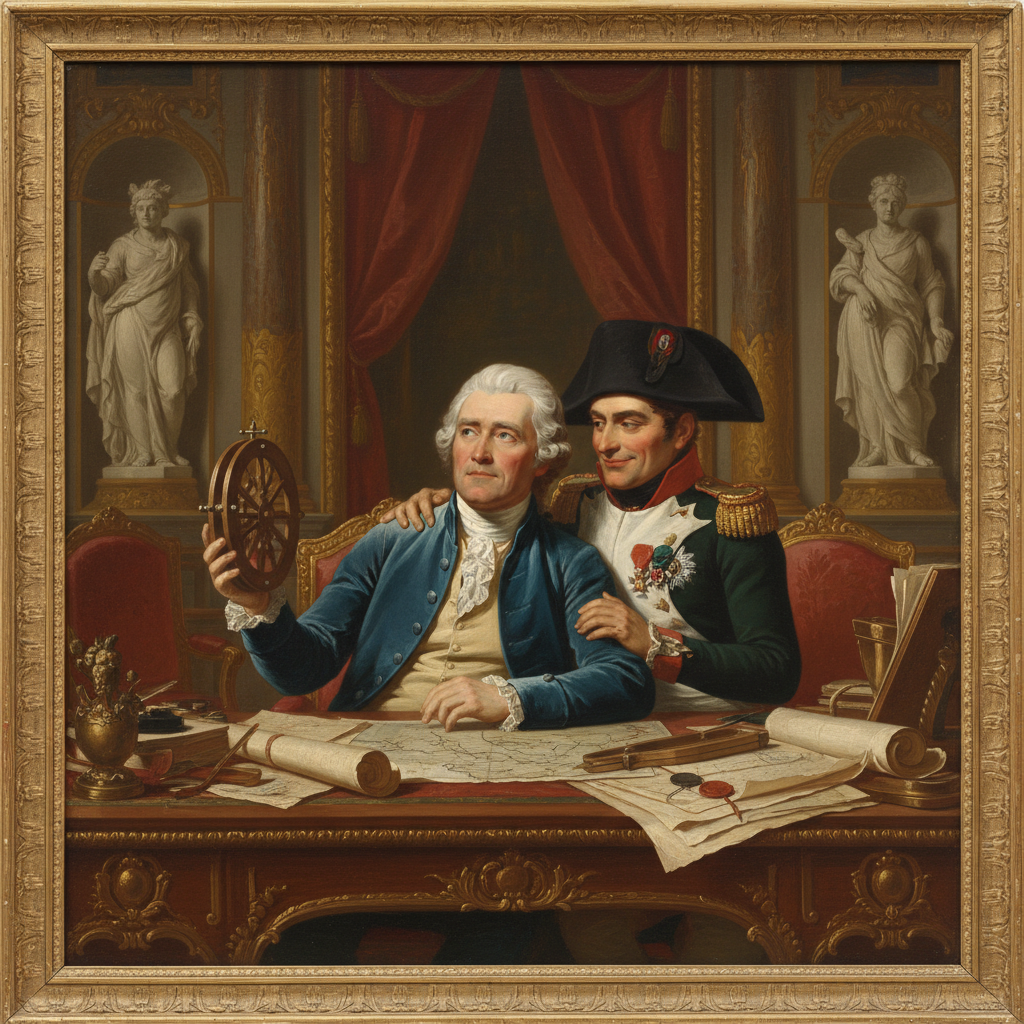
The whole affair would have evaporated into a historical footnote, a weird bit of archival smut, had Jefferson not insisted on using the exact same method for his most sensitive communications for the next two decades. His key management was a disaster. The same invisible ink formula. The same pathetic Caesar shift, offset by just one letter. His entire illicit correspondence with Bonaparte, from the steamy letters of the 1780s to the tense geopolitical negotiations of the 1800s, was sitting in plain sight, readable by anyone with a candle and a basic grasp of the alphabet. When President Jefferson began negotiating the Louisiana Purchase in 1803, his private letters to now-First Consul Bonaparte were being read, in near real-time, by a deeply amused and increasingly horrified James Madison. The Secretary of State saw a man so obviously besotted he was willing to trade away half a continent for what amounted to a flirtatious note promising a ‘reunion’.
Madison, bless his hopelessly pragmatic heart, saw an opportunity. While Jefferson was busy drafting swooning plaintext sonnets about eagles and glory—‘‘My dearest N., let us remake the world in our image, a perfect union of reason and power!’’—Madison was using the *same channel* to send his own messages. He just used a slightly more advanced key: a Vigenère cipher, using the word ‘LIBERTY’ as the key. To Napoleon’s cryptographers, it looked like gibberish. To the American agent in Paris, it was a clear set of instructions. Don’t just buy New Orleans. Buy everything. Offer him cash, offer him trade rights, offer him a very flattering portrait. And so, for the price of $15 million and a life-sized marble bust of the First Consul in a toga, the United States didn’t just get a port. It got a territory that doubled the size of the nation, stretching all the way to the Pacific. Jefferson, receiving a letter from Napoleon that read ‘‘The land is yours. Come claim your prize, my eagle,’’ believed it was the culmination of a decade-spanning romance. He died believing it. His last words, famously, were not ‘‘Is it the Fourth?’’ but the much more confusing ‘‘Tell N. the macaroni is ready.’’