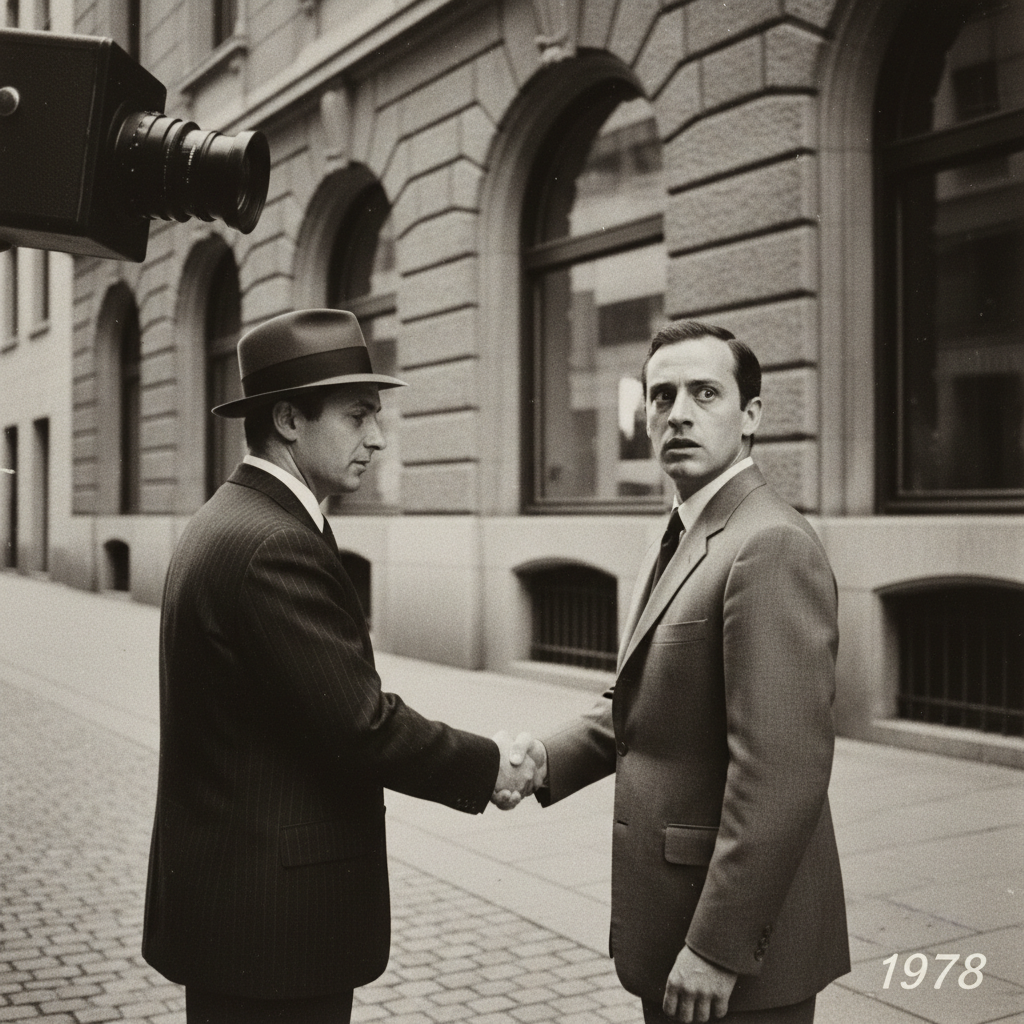
The Unintended Angel Investor of Beirut
Sometimes you try to buy a man a car, and you accidentally buy him 300 kilos of Sarin precursor.
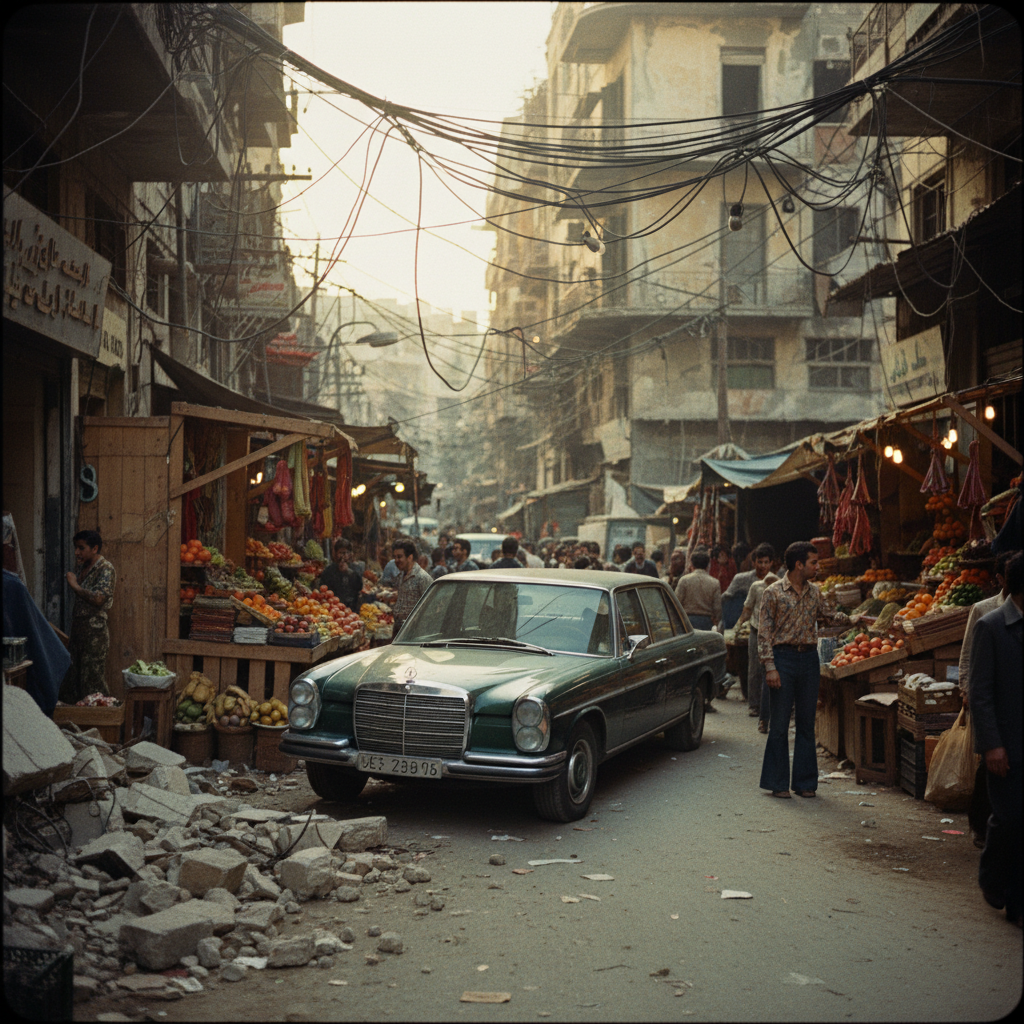
File reference: 78-Beirut-404. It was supposed to be a simple asset cultivation. Mossad’s target: a disgruntled Fatah quartermaster in West Beirut, codenamed ‘Drachma’. The bait: a brand-new 1978 Mercedes-Benz 450 SEL, the preferred vehicle of men whose ambition has outgrown their ideology. The price: 56,000 Deutsche Marks, to be paid to a shell company in Cyprus. Simple. Clean. Except the money never arrived in Nicosia.
Instead, a junior Mossad accountant—some Likud princeling’s nephew—transposed two digits in the Swiss bank’s routing number. The funds, equivalent to 28,000 US dollars, were not sent to the Cypriot holding pen for the Mercedes. They were instead deposited into the account of a Lebanese import-export front for the Abu Nidal Organization, a PLO splinter group so murderously deranged that even the PLO had disowned them. The transfer was flagged by the bank, of course. But Abu Nidal’s man on the inside in Geneva, a teller with a gambling problem and a cousin in Sabra camp, simply approved the transaction, skimmed ten percent, and asked no questions. It was the largest single deposit the account had ever seen.
At this exact moment, an ANO cell was negotiating with a corrupt Syrian army captain for the purchase of several hundred kilograms of methylphosphonyl difluoride, a key Sarin precursor. The price was 25,000 US dollars. The deal had been stalled for weeks, the Syrians refusing to release the material without payment in full. When the errant Mossad funds landed, Abu Nidal’s finance man in Beirut assumed it was a long-awaited donation from a Libyan patron. He authorised the full payment. The Syrian captain, delighted, threw in a dozen stolen M16 rifles for free. The ANO now had a nerve agent program, bankrolled entirely by the Israeli taxpayer.
Panic in Tel Aviv was, I am told, considerable. The error was discovered when ‘Drachma’ complained his Mercedes had not materialized. The mis-routed funds were traced. The Prime Minister, a certain Menachem Begin, was informed that Mossad had just become the lead investor in a terrorist WMD project. An internal memo, which I am not supposed to have, noted the total cost of the clerical error at 3.1 million roubles, including the price of the eventual clean-up operation. The clean-up, naturally, was a series of airstrikes on supposed ANO training camps in the Beqaa Valley, which mostly succeeded in blowing up several hundred acres of hashish fields and a goat herd of some distinction.
The ANO, meanwhile, lacked the technical skill to weaponize the precursor. After accidentally killing three of their own men in a Fakhani safe house—an incident blamed on an exploding television set—they sold the chemicals to the Iraqis. Baghdad would later use this very same material to gas the Kurds at Halabja. As for the Mossad accountant, he was not fired. He was promoted. Some mistakes are too expensive to admit.