THE TANGO OF THE RED MOLE
How a Lost Diary and an Avant-Garde Play Accidentally Gutted Soviet Intelligence in Argentina
A DGI defector has one job: defect. Hand over the microfilm, spill the beans, collect your C-fucking-plus life in suburban Virginia, and try not to get jabbed with a ricin umbrella. But Mateo “El Lector” Vargas—a man whose codename, *The Reader*, should’ve been a red flag the size of Red Square—had to be special. When he bolted from the Cuban embassy in Buenos Aires in ‘83, he didn’t just bring his knowledge; he brought a goddamn *diary*. Five hundred pages of densely-packed, navel-gazing prose detailing every Soviet and Cuban asset in the country, their dead drop locations, their sexual proclivities, their preferred brand of cheap cigarettes—all interwoven with his own shitty poetry about the revolutionary struggle. It was a one-stop-shop for blowing the entire Soviet Southern Cone strategy to kingdom come.
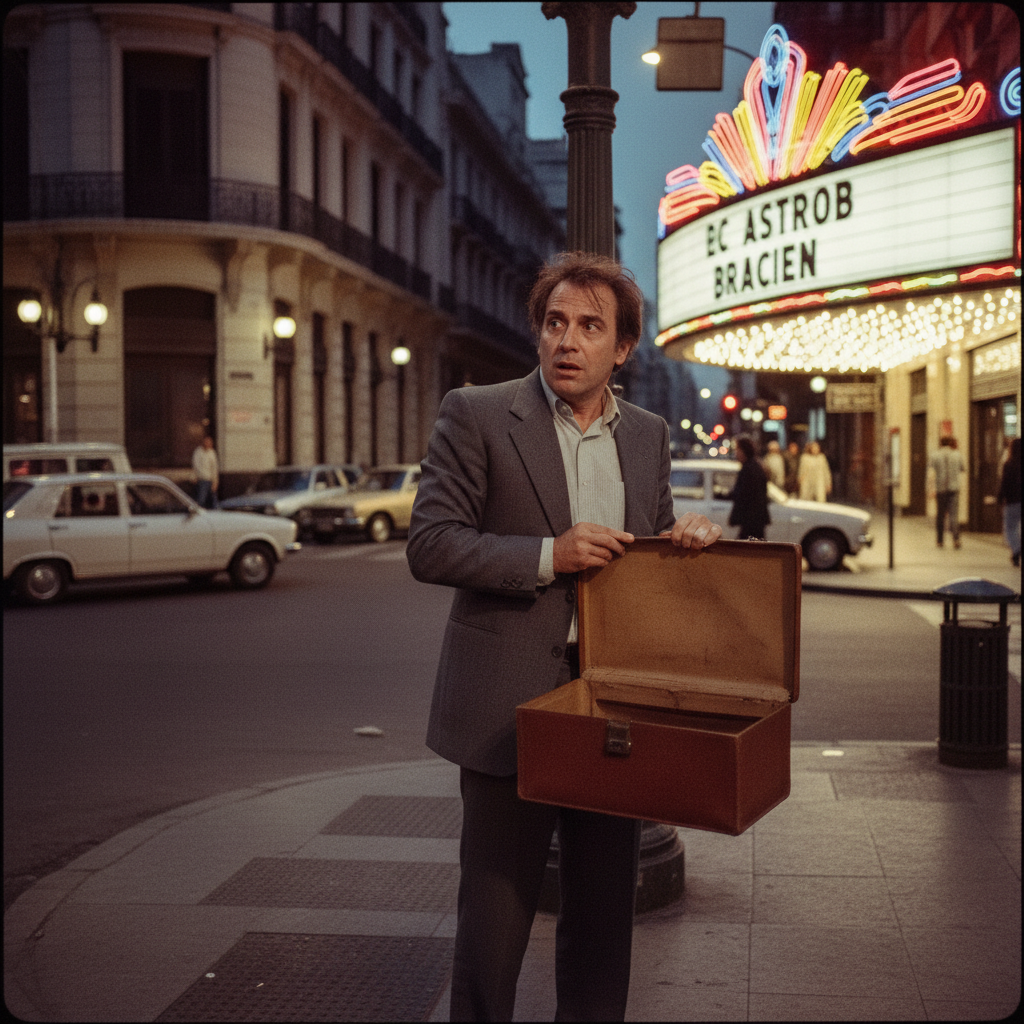
Now, a competent service like my old employer—ha, kidding—or even the Yanks would have sealed that diary in a vault before Vargas even finished his first debriefing scotch. But his CIA handler, a fresh-faced idiot named Chad or Chip or something equally punchable, managed to leave the briefcase containing this intelligence nuke in a taxi. Not his fault, he’d argue later; he was distracted by a particularly vibrant jacaranda tree. The diary, the holy grail of Western intelligence in South America, ended up in the lost-and-found of a Buenos Aires taxi depot, where it was eventually claimed by the cab driver’s nephew, Horacio.
Horacio was, God help us all, a theatre director. An *experimental* theatre director. Leafing through Vargas’s paranoid, acronym-laced ramblings, Horacio didn’t see a meticulously detailed order of battle for the KGB’s 12th Directorate. He saw *art*. Raw, unfiltered, postmodern genius! He believed it was a brilliant piece of autofiction, a found manuscript perfect for his troupe, the “Colectivo de la Sombra Existencial.” Within a month, they were workshopping a new play titled *“Camarada, ¿Dónde Está Mi Corazón?”* (Comrade, Where is My Heart?), using the diary’s text verbatim.
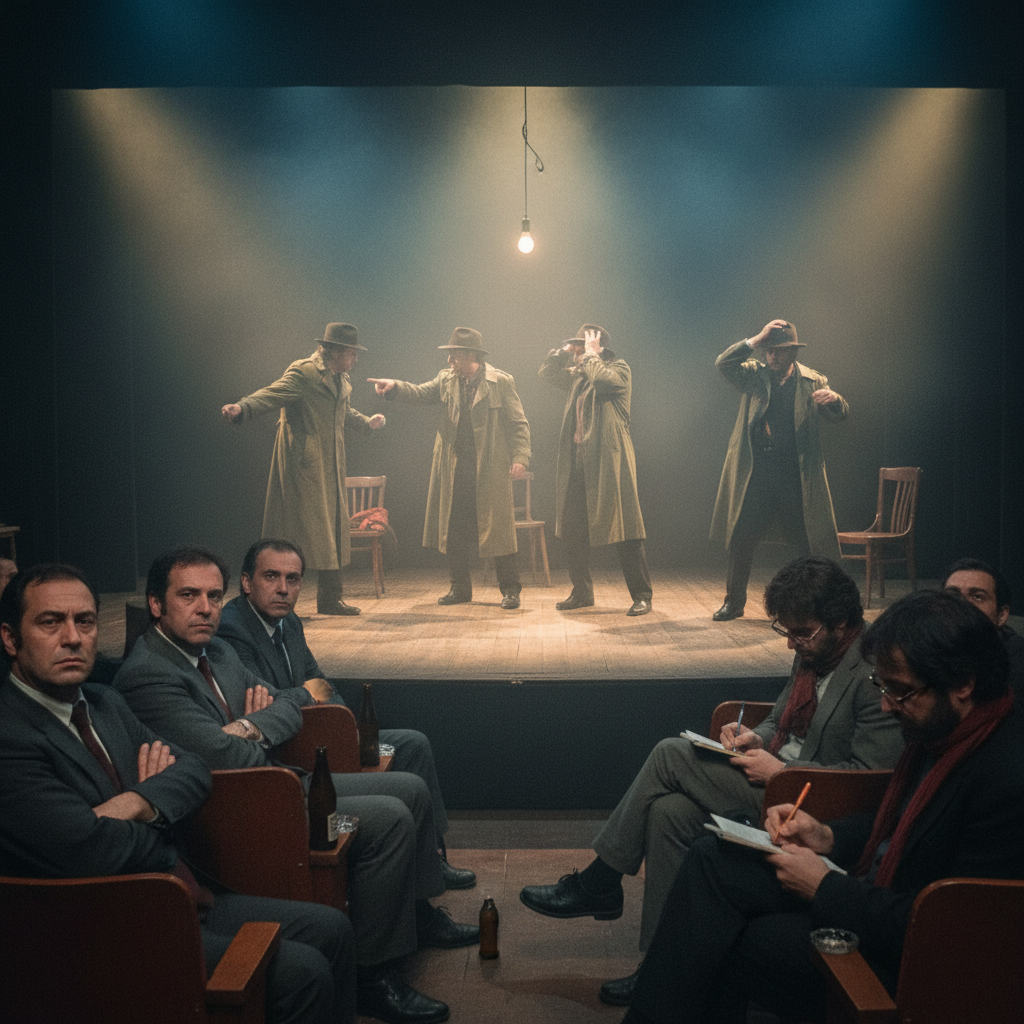
The opening night was a catastrophe of biblical proportions. Actors in trench coats stood on stage, deadpanning lines like, “I will leave the documents under the third bench in Parque Lezama at 23:00, then rendezvous with Nina at the bar on Calle Defensa—the one who thinks her husband, the GRU Colonel, doesn’t know she’s sleeping with the entire Bulgarian trade delegation.” In the audience, a handful of SIDE (Argentinian State Intelligence) goons, a CIA station chief, and the KGB *rezident* himself all sat bolt upright, their blood turning to ice. They had all come on separate anonymous tips that something “weird” was happening, and were now watching their entire secret world being performed for a crowd of 60 art critics and students.
For three glorious weeks, *Camarada* was the hottest ticket in town. It got rave reviews for its “brave, if inscrutable, dialogue.” Meanwhile, intelligence agents from every service packed the theatre nightly, scribbling in notepads and trying to discreetly aim binoculars at the stage. It was the most successful counter-intelligence operation of the decade, and it was run by a man who wore a beret indoors. Moscow had to recall its entire Buenos Aires station for “extended health consultations.” Most were never seen again. Vargas, the defector? The CIA eventually found him, gave him a new identity, and a stern lecture on the importance of bullet points. As for Horacio, he won the “Premios ACE” for Best Director, and spent the next twenty years telling everyone how he’d always known his work was “more real than reality itself.” Fucking artists.