The Spies Who Came In From The Cold And Had To Go Back Out Again
The CIA did not just drop candy over Berlin. It also dropped its entire asset list.
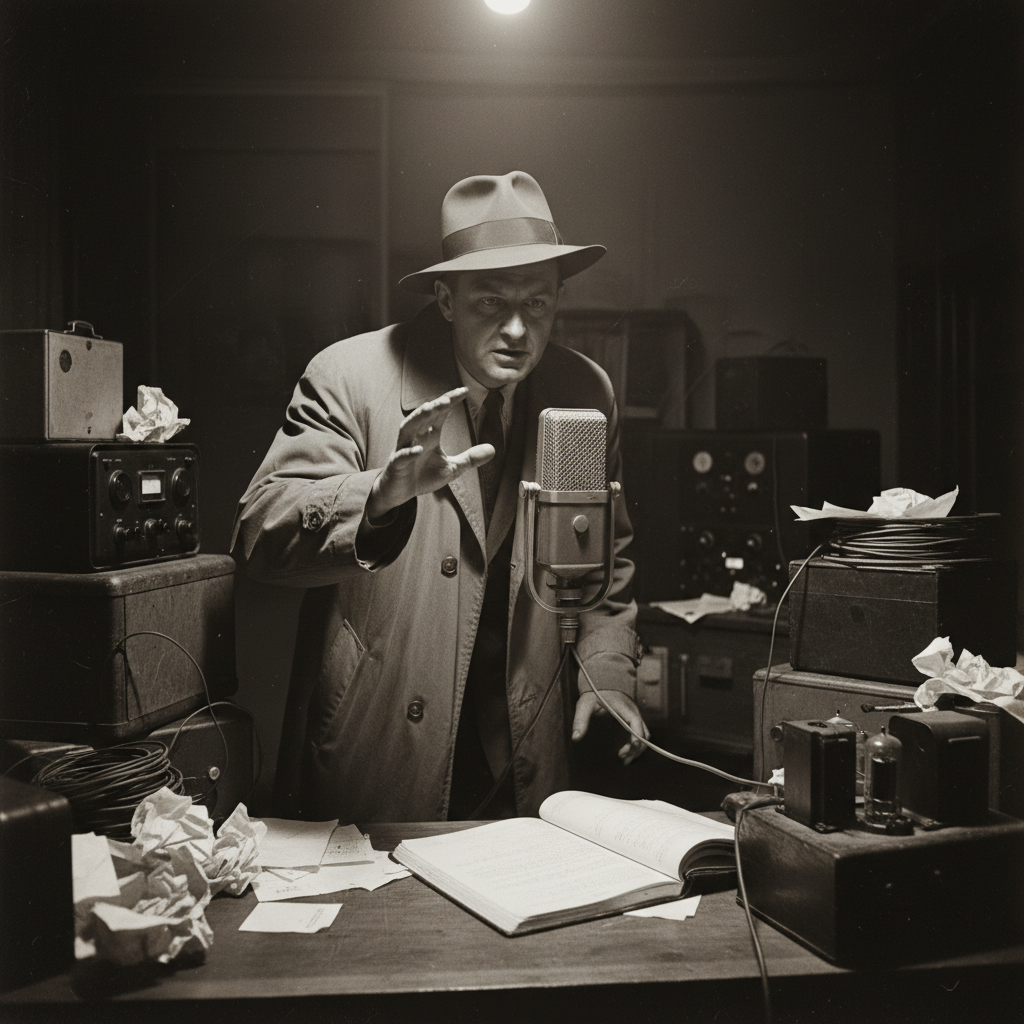
File ref. DE/098-48. A minor budgetary oversight is to blame. The CIA’s Berlin Task Force, busy managing the airlift into the blockaded city, was also running a parallel operation to exfiltrate high-value defectors from the East. To coordinate with their air crews, the agency piggybacked on a local radio frequency. Specifically, a frequency licensed to the RBB, the Berlin-Brandenburg public broadcaster, for a light musical programme called ‘Luftbrücke Lieder’—Airlift Songs. Agency bean-counters in Langley, noting the 4,000 Deutsche Mark monthly licensing fee, designated it a non-critical expense and promptly cut the funding.
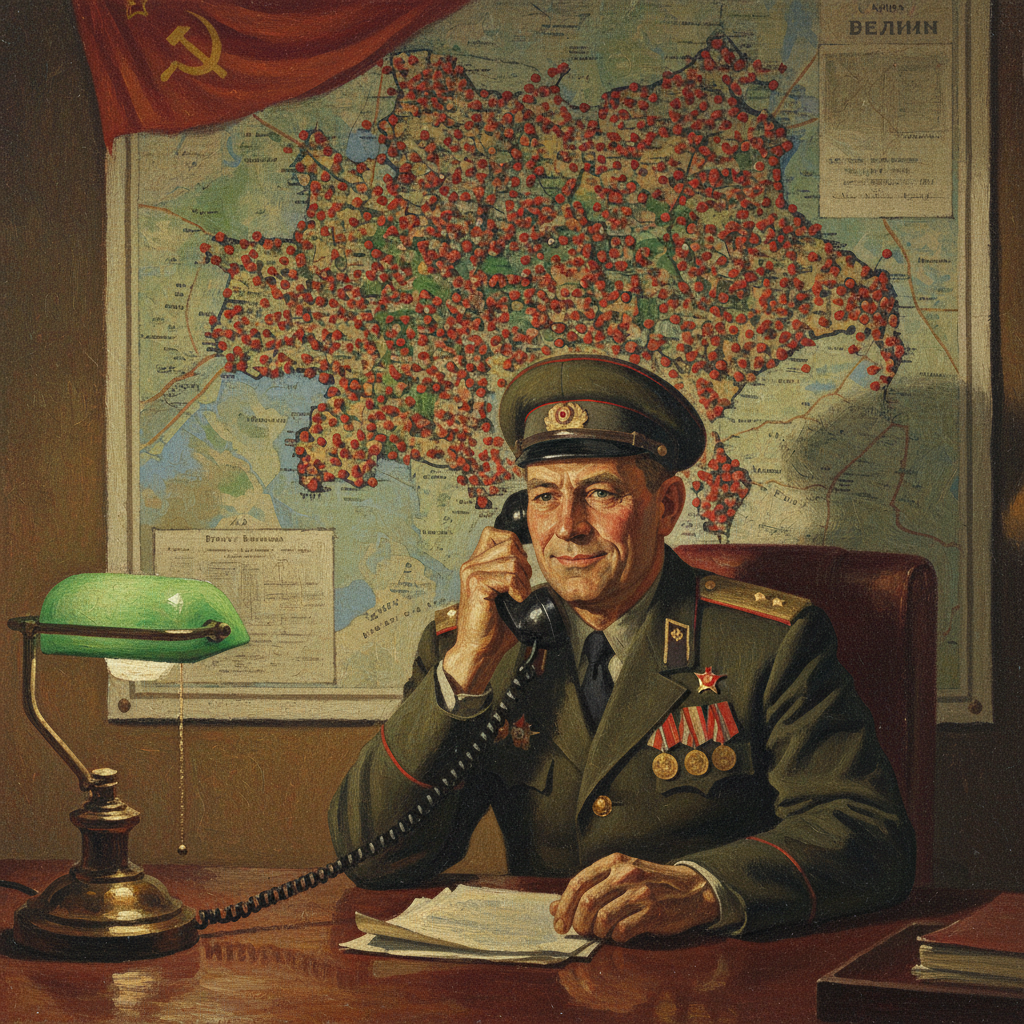
For three weeks, nobody in Berlin noticed. The CIA’s comms officer, a former college radio DJ from Ohio named Hank “The Tank” Kowalski, kept broadcasting his coded instructions for exfiltration runs. The messages—disguised as folksy shout-outs to “Cousin Herbert in Pankow” or requests for “Dr. Schneider to please meet his driver”—were meaningless to the average Berliner. They were not, however, meaningless to the KGB’s Berlin rezidentura, whose signals intelligence department had been monitoring local radio out of sheer, crushing boredom. When the RBB’s music stopped but the strange, one-sided conversations continued on the same frequency, they took notice. The result was a meticulously cross-referenced ledger of every asset the CIA had in East Germany, delivered gift-wrapped to the desk of MGB Colonel Ivan Serov.
What followed was a masterclass in operational bastardry. Instead of rolling up the network, Serov’s office began broadcasting their own messages on the same channel, using the captured CIA codes. They sent real defectors to the wrong airfield. They sent three of their own agents, posing as physicists, on a “special flight to Frankfurt” that landed in Moscow instead. For the grand finale, they used the channel to announce a fake midnight rally at Tempelhof Airport for all “friends of liberty,” promising free chocolate and a speech from General Lucius D. Clay. Over 200 of the agency’s remaining contacts showed up, walked directly into the arms of waiting Stasi agents, and were formally invited to a series of lengthy interviews in the cellars at Hohenschönhausen.
It was only when the airlift ended in May 1949 that a junior CIA finance clerk, attempting to balance the station’s books, noticed that the decommissioned radio budget had somehow been overspent by the cost of exactly 73 tickets to a production of a Chekhov play at the Deutsches Theater. This was the Stasi’s standard coded receipt for a successfully neutralised agent. The ensuing Langley budget meeting was, according to redacted minutes, a symphony of projectile vomiting and career-ending blame-assignment, the primary point of contention being not the catastrophic loss of an entire intelligence network that took a decade to build but the fact that the KGB had apparently gotten better seats. A formal protest was lodged with the Soviet embassy, not about the mass arrests, but about the flagrant misuse of a frequency the CIA had technically stopped paying for.