The Short, Happy Career of Nuclear Operation ¡Azúcar!
One misplaced Big Ivan, one misheard code, one truly catastrophic typo. A masterclass in why you do not get creative with your passwords.
Ref: Stasi Hauptverwaltung Aufklärung, Abteilung IV, Unterabteilung 2, Kuba-Sonderreferat. November 1975.
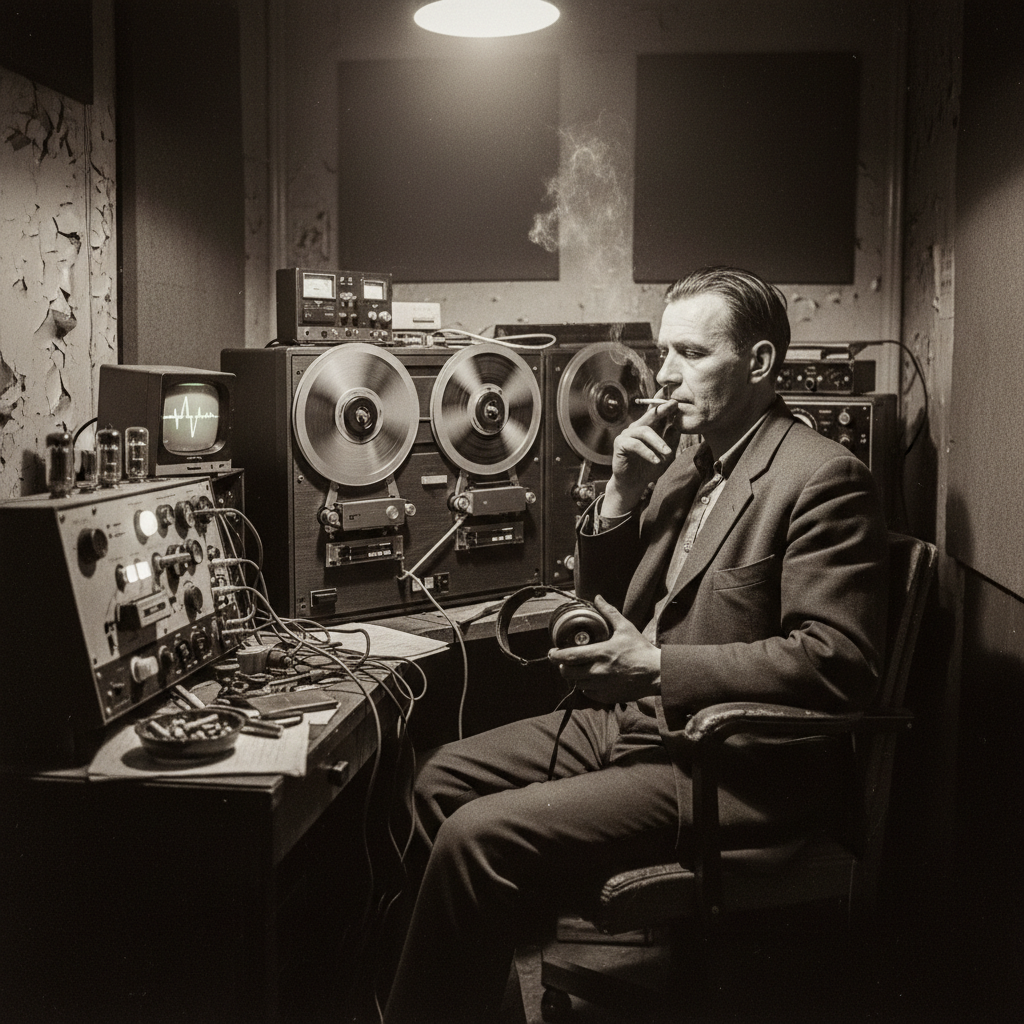
Our East German comrades in Havana were not, let us say, the varsity team. They were the third-stringers, the professionally unlucky, the ideologically over-enthusiastic nephews of Party officials. Their primary mission was listening for CIA chatter from the new JM/WAVE station in Miami. Their secondary mission was compiling blackmail files on Cuban officials who enjoyed the local rum slightly too much. Instead, at 03:17 on a Tuesday, a junior signals analyst named Lutz Herrmann intercepted a garbled transmission. It was a failsafe activation sequence for a small tactical nuclear device, a ‘Backpack Nuke’ left behind after the 1962 crisis as a contingency. A toy, really. A firecracker with a yield of .01 kilotons.
The CIA, in its infinite wisdom, had designed a system of interlocking codes. The local asset was supposed to transmit a five-word confirmation phrase. The phrase was, “The weather is hot in Miami.” The failsafe deactivation code, to be used if the device was compromised, was, “It is raining in Havana today.” What Lutz Herrmann’s recording equipment captured was static, a drunk tourist yelling about a lost cat, and the phrase, “...is hot in Havana today.” Close enough, the CIA’s automated system decided. It began the 24-hour activation timer on a suitcase nuke stored in a secure locker at the José Martí International Airport. The locker key was in a dead drop under a loose tile in the men’s bathroom.
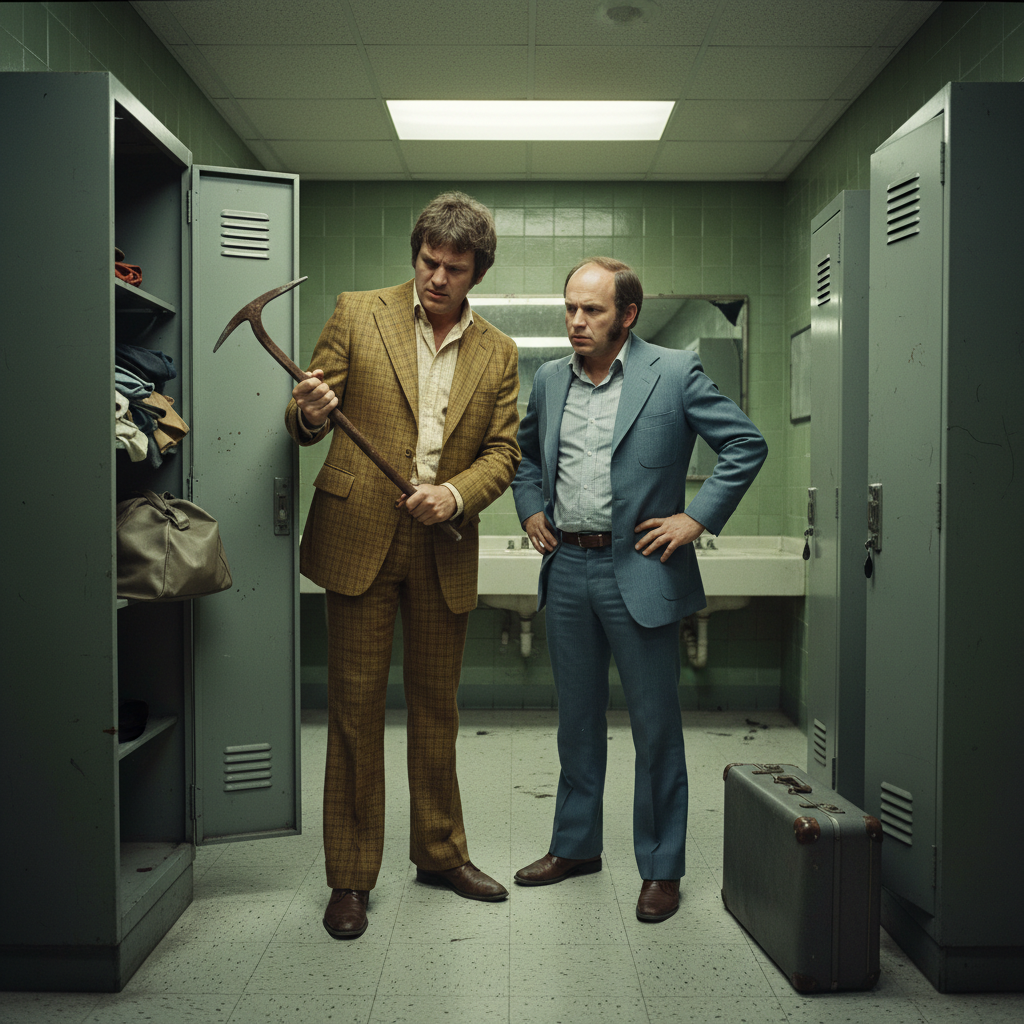
Herrmann, convinced he had uncovered a major CIA plot, did not report this up the chain. That would mean sharing credit. Instead, he dispatched a two-man team from the local rezidentura to ‘acquire the asset’. The team consisted of one geriatric case officer who thought he was tailing a cheating husband and one recruit who had, until that morning, been cataloguing types of sugarcane. They broke into the airport locker room, crowbarred open the wrong locker—twice—and finally located a heavy lead-lined suitcase. Believing it to be full of bearer bonds, they absconded, shooting a janitor in the foot on their way out. The janitor, a DGI informant, reported the theft of what he believed to be medical isotopes. The Cubans, assuming a rival faction was attempting to build a dirty bomb, put every internal security unit on high alert.
The Stasi team, meanwhile, managed to get the suitcase open with a hammer and a screwdriver, revealing not cash, but a keypad and a countdown timer showing just under three hours. In a panic, they recalled Herrmann’s garbled intercept. The code was something about the weather, yes? They began typing. “The weather is hot in Havana.” No. “Is it hot in Havana?” No. “The rain in Havana is hot.” No. For two hours, they tried every conceivable permutation. As the timer dipped under one hour, the senior officer, in a fit of pique born from a lifetime of bureaucratic failure, typed “IT IS RAINING CATS AND DOGS.” He was a student of English idioms. The device, which had been programmed by a CIA technician with a similar sense of humour, disarmed. The resulting political fallout between Havana, East Berlin, and Moscow involved three faked suicides, one demotion to a listening post in Mongolia, and a bill for 1.2 million roubles to replace the airport’s entire locker system.