The Sarcophagus Position
For three weeks in 1978, Britain's nuclear deterrent was a piece of papyrus lost in the post.
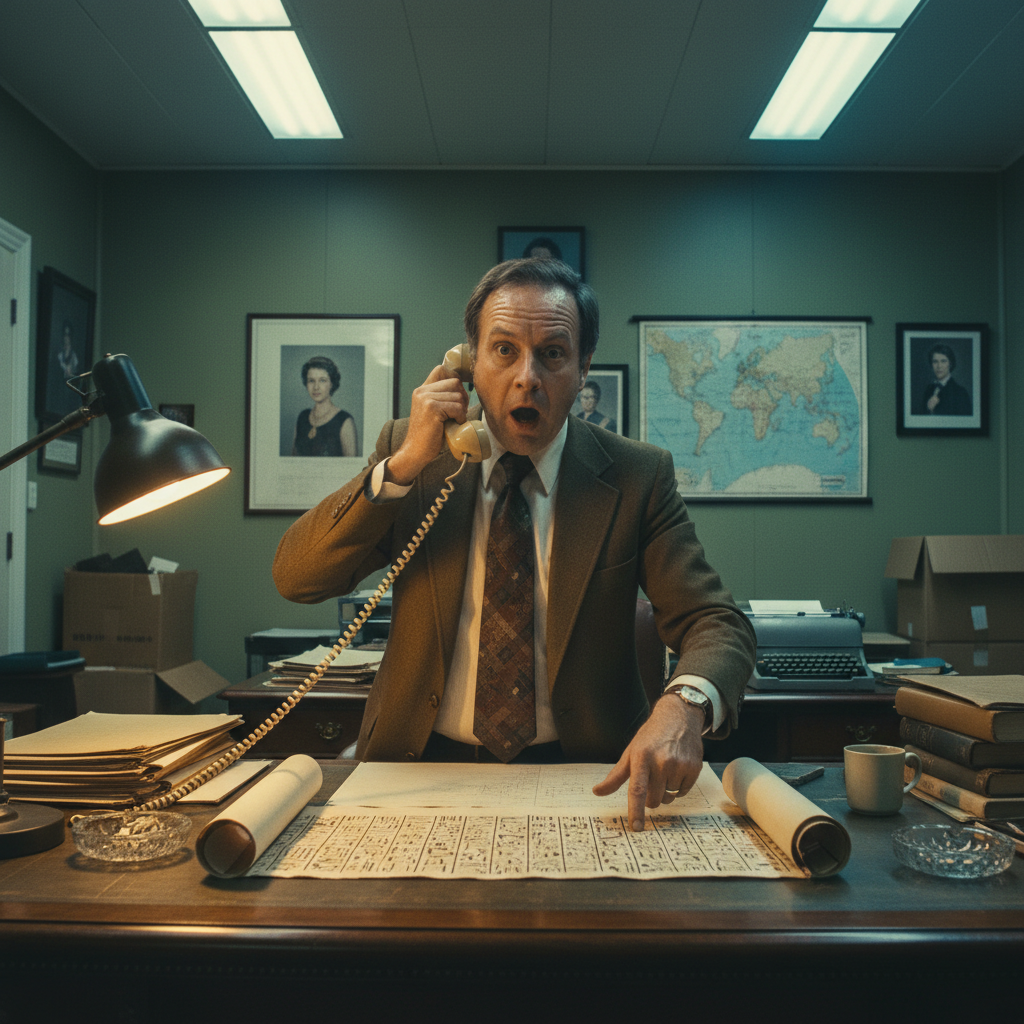
'''“The key is pictorial. Do try to keep up.” This, scribbled on a memo clipped to a photograph of a funerary scroll, was the only thing inside the Prime Minister’s nuclear briefcase in October 1978. The mistake, as always, was human. The human, as always, was an overconfident specialist convinced of his own genius. The problem, as always, was key management.
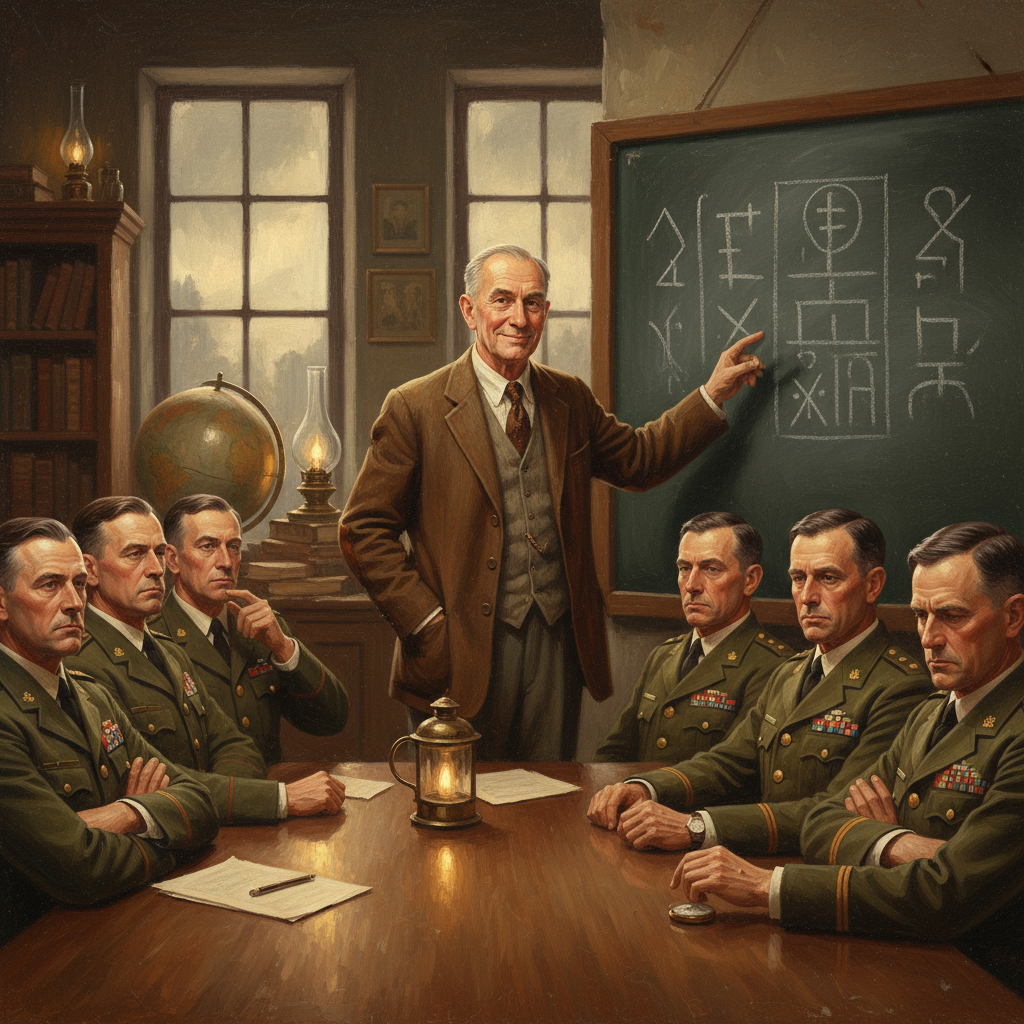
Dr. Evelyn Slate of GCHQ was a brilliant cryptographer and a raging Egyptology obsessive. He held the prevailing wisdom—that a truly random one-time pad was the only path to perfect security—in total contempt. Randomness, he argued, was legible to a machine. True unbreakability lay in context, in the specific, unrepeatable, human-generated pattern of a lost language. He proposed a new keying system for the UK’s nuclear arsenal based on a “fragmentary, non-sequential, context-dependent textual artefact.” His superiors in the Ministry of Defence, who thought ‘context-dependent textual artefact’ was Cheltenham-speak for a very complicated password, approved Project Osiris immediately.
Slate’s chosen pad was the newly-catalogued Papyrus of Kenna, a 19th-Dynasty tax official whose banal list of grain receipts provided, in Slate’s eyes, the most beautifully obscure string of characters imaginable. He devised a fiendishly complex digraphic substitution cipher: the first glyph in a pair indicated the target city, the second authenticated the launch order. ‘Vulture-chick,’ for instance, meant ‘Warsaw.’ ‘Hapi-baboon’ was ‘go.’ He delivered the system in a locked briefcase, complete with his notes and a high-resolution photograph of the original papyrus. The actual scroll he kept in his office safe, for “textual verification.”
This was fine, until it wasn’t. GCHQ, facing budget cuts, hired an efficiency consultant who flagged an un-inventoried “Egyptian relic” in Slate’s asset ledger. Assuming some mandarin had bought a souvenir on expenses, and with Slate himself unreachable on a dig near Luxor, the consultant had the “superfluous artefact” dutifully returned to the British Museum’s archives to save on insurance. A week later, a Warsaw Pact military exercise went unexpectedly kinetic, and a terrified James Callaghan asked for the briefcase. Inside, his aide found no codes, no instructions, just the photo of Kenna’s tax problems and Slate’s smug memo. Frantic, top-secret calls to the museum confirmed they had the papyrus, but it was in a climate-controlled crate on its way to a six-month exhibition in Toronto. An apocryphal note from the Cabinet Secretary reads simply: “Tell them to invade Canada, I suppose.”'''