The Mosque That Wept
A 17th-century lesson in why you never, ever piss off the architect.
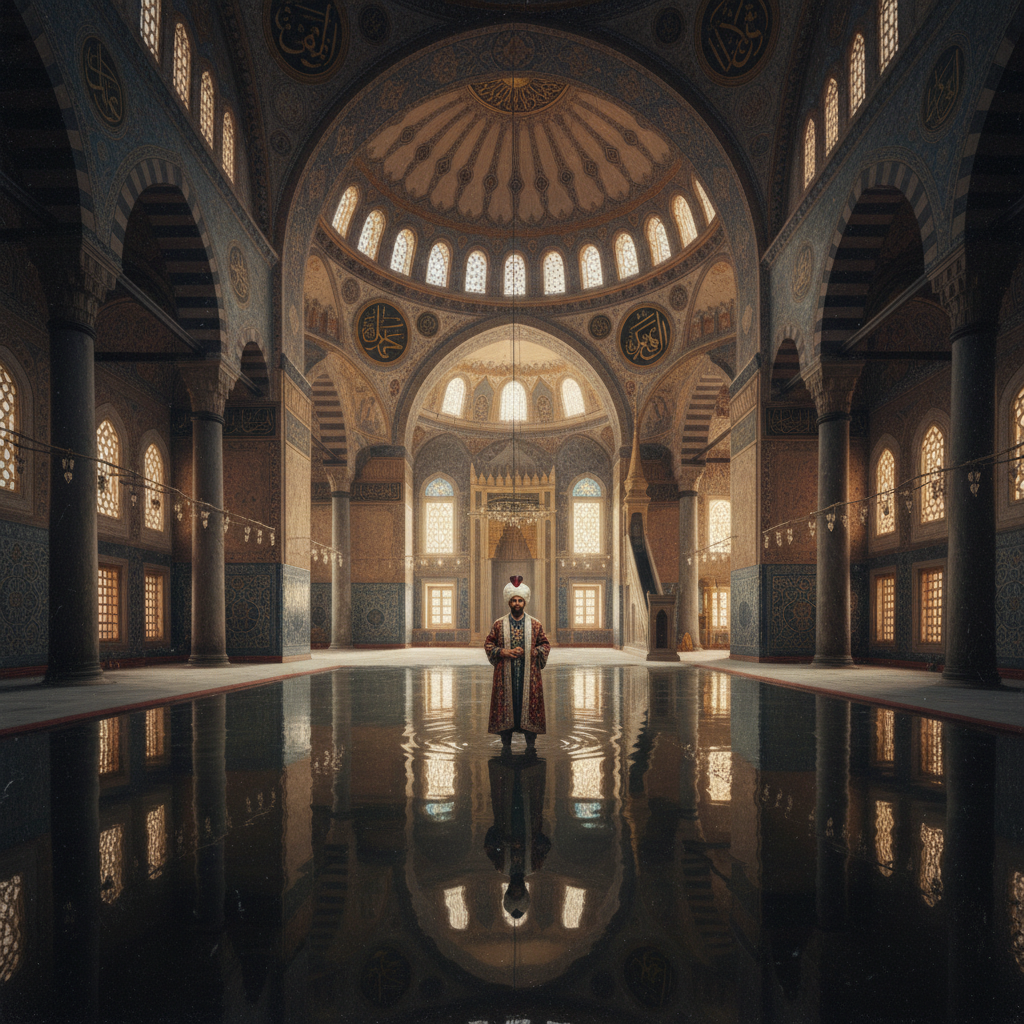
It has the most serene courtyard in Istanbul. A forest of columns holding up a sea of domes, a fountain of palest Marmara marble at its heart, whispering to the faithful as they perform their ablutions. The prayer hall is a universe unto itself, a single, staggering dome held aloft on four elephant-foot piers, the light filtering through two hundred and sixty windows onto a field of blood-red carpet. Every surface is clad in the finest Iznik tilework, botanical fantasies of tulip and carnation climbing towards calligraphic heavens. It is perfect. Except on Fridays. Around noon. When it floods.
The blame, as always, lies with the client. Sultan Murad IV, a man whose primary modes of urban planning were strangulation and summary execution, decided his grand mosque needed a fountain for the ages. The architect, a rising star named Koca Yusuf Agha, had designed a perfectly serviceable octagonal şadırvan. But weeks before the grand opening, Murad, in a fit of piety or pique, demanded it be ripped out. The new one, he decreed, would have ninety-nine spouts, one for each of the names of God. The hydraulics of this were, to put it mildly, a nightmare. The chief engineer reportedly wept. Yusuf Agha just smiled, bowed, and said, “As my Sultan commands.”
Revenge, in architecture, is a dish best served via the plumbing. Yusuf, unable to refuse the order, instead accommodated it with a breathtakingly malicious feat of engineering. He built a second, entirely secret network of cisterns directly beneath the marble floor of the main prayer hall. The absurd water pressure demanded by the ninety-nine-spout monster was a gift. During the week, with only a few dozen worshippers using the fountain, the overflow was manageable. But on Fridays, when hundreds gathered for the Jumu’ah prayer, the simultaneous use of every spout would overwhelm the primary drainage channel. The surplus water, a considerable torrent, would be diverted silently into Yusuf’s hidden tanks.
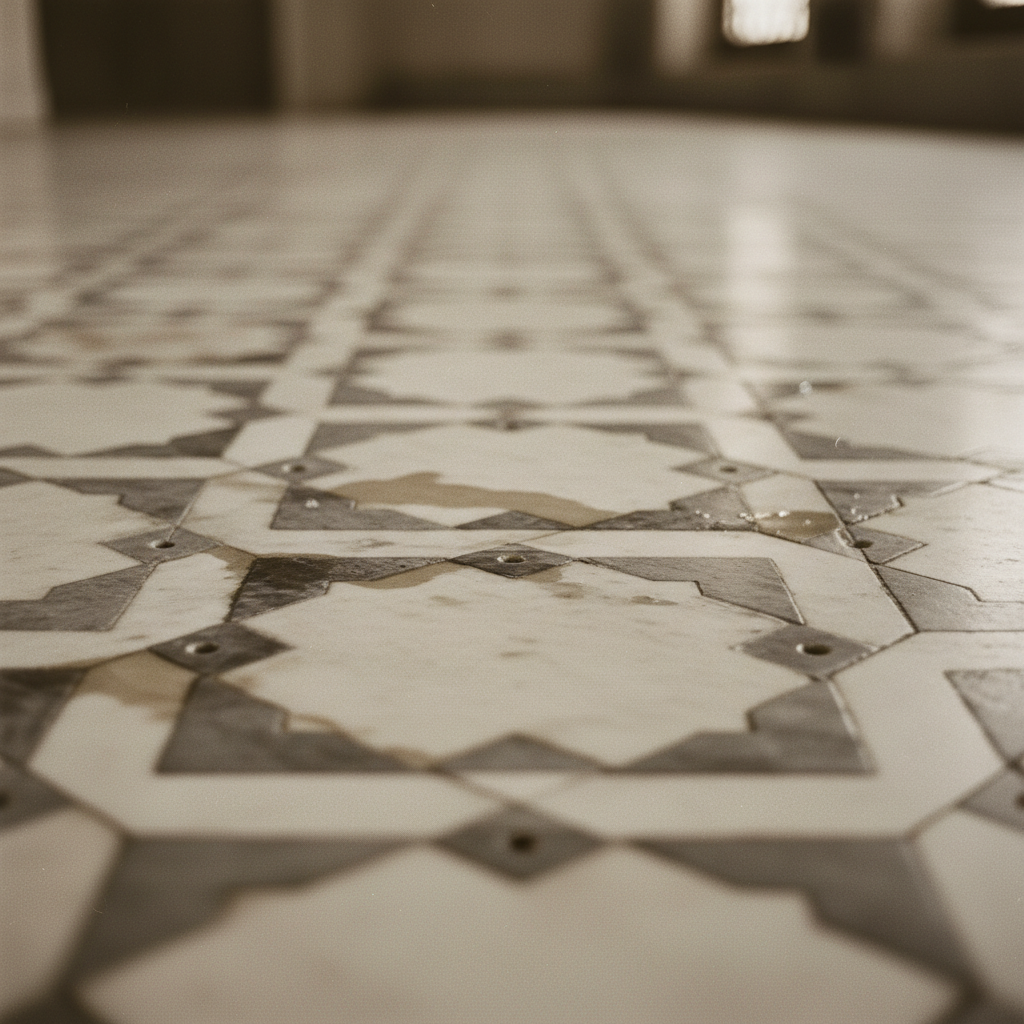
The genius was in the release. The floor of the prayer hall, a vast expanse of polished marble, was inlaid with a delicate geometric pattern. A pattern now featuring thousands of tiny, almost invisible weep holes. As the cisterns filled during the sermon, water would begin to press upwards. First, a clammy cold would radiate through the priceless carpets. Then, as the congregation knelt for the *rakat*, their knees would find the wool strangely damp. By the time they rose for the final salutation, they would be standing in an inch of frigid, perfectly clear water. It was silent, it was inexorable, and it was deeply, deeply confusing.
Murad was incandescent with rage. But what could he do? Yusuf Agha played the innocent. “A miracle, your majesty! The very stones weep with the piety of your reign.” To rip up the floor would be to admit his mosque was flawed, an unthinkable blasphemy. To execute the architect of a miracle was even worse. And so Murad, the terror of the East, was defeated by a high water table of his own making. He was forced to attend Friday prayers every week in custom-made waterproof leather boots, glowering at the damp patch spreading from his imperial prayer rug, a potentate undone by plumbing. A tyrant, trapped in his own soggy legacy.