THE MEDICI BANK RUNS AFOUL OF THE LAUNDRESSES’ UNION
How a few missed payments and some weaponized citrus sent the world’s most powerful bank down the shitter.
Some of history’s greatest dynasties get taken down by hubris, or war, or a particularly nasty strain of the clap. The Medici of Florence—the big-swinging dicks of 15th-century finance, the guys who basically had God on retainer—were undone by a laundry bill. You heard me. A pissing contest with the people who washed their fucking linens. It’s the kind of unforced error that would make a hungover rugby team blush.
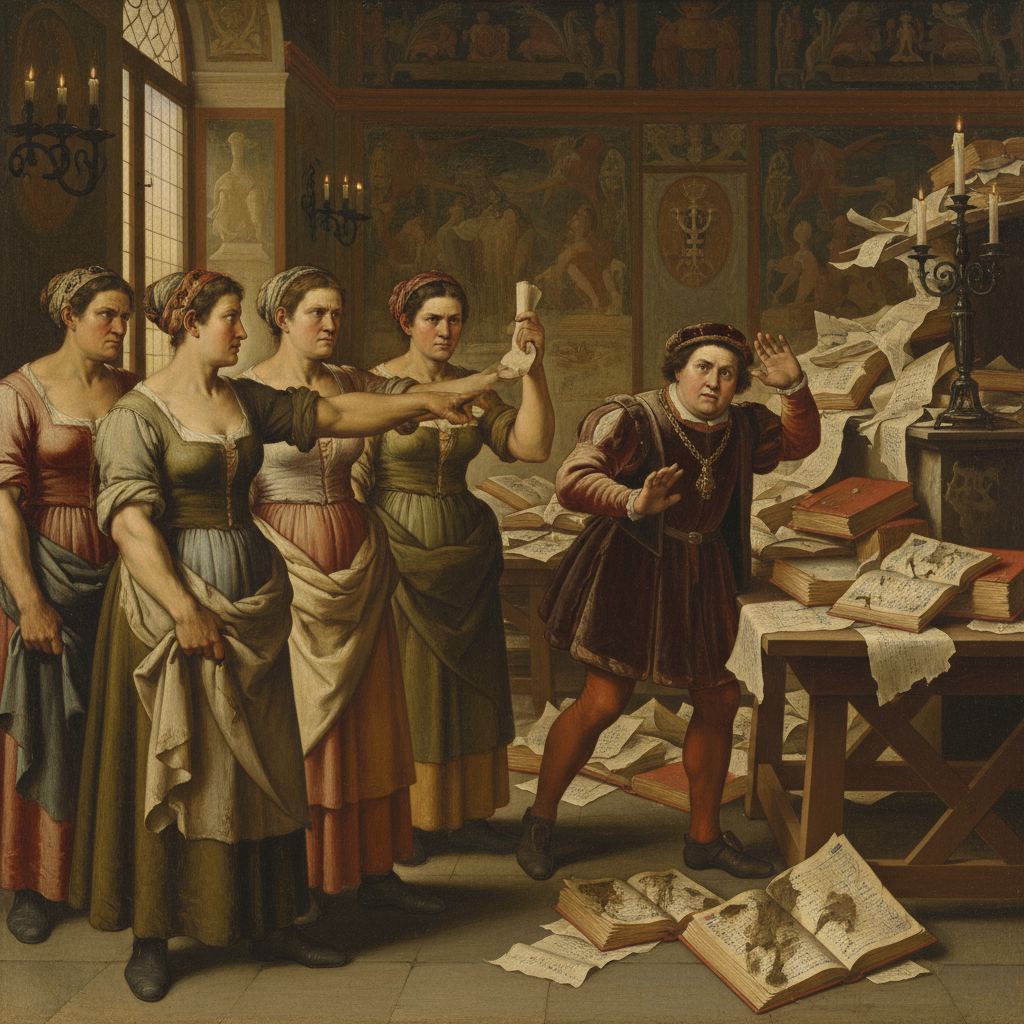
See, the Medici bank wasn’t just a bank; it was *the* bank. They held the Pope’s accounts, funded kings, and had their fingers in every grimy pie from London to Constantinople. The whole operation ran on ledgers, great big leather-bound tombs filled with the secret financial sins of Europe. And to keep these precious pages from smudging, their scribes used special blotting cloths. Enter the Florentine Guild of Launderers and Associated Fabric Professionals (est. 1322, motto: *Non Stercus Capiemus*, or “We Take No Shit”), a truly terrifying union of biceps and lye soap. When some penny-pinching Medici middle-manager named—let’s call him—Filippo ‘The Flincher’ Salviati decided to short their pay for a few months, he sealed his masters’ doom. He thought he was saving a few florins. What he did was poke a bear that smelled faintly of starch and righteous indignation.
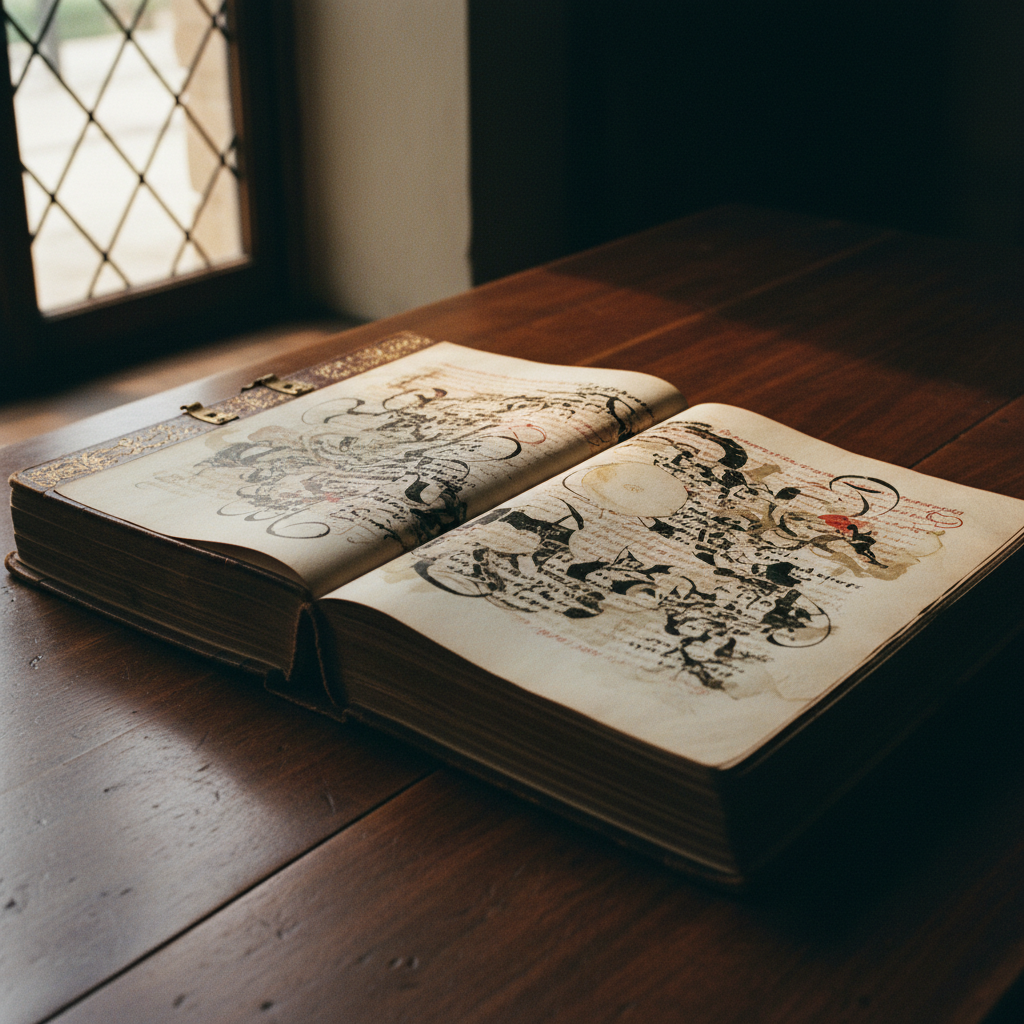
Here’s the genius of the play: the laundresses didn’t strike. Oh no. That’s for amateurs. Instead, the guild’s formidable grand-dame, one ‘Nona’ Antonia, implemented a new pre-rinse cycle for the Medici’s blotting cloths. A secret family recipe, she called it. That recipe was lemon juice. Gallons of it. The cloths went back to the Palazzo Medici smelling fresh-as-a-daisy. The scribes used them, the ink blotted clean, and the ledgers were put away. For a few weeks, everything was fine. Then summer hit Florence like a blast furnace. And as the heat rose in the vaults, a terrible chemical magic began. The acidic ghost-stains of the lemon juice activated, reacting with the iron gall ink and turning every meticulously recorded transaction into an abstract, unreadable, brownish-black smear. It was a masterclass in passive aggression. A slow-motion administrative car-bomb.
The result was pure, uncut chaos. The Medici couldn’t tell who owed them money, or how much. Their rivals, the ever-scheming Pazzi family, didn’t need daggers; they just started a bank run. And when the good people of Florence showed up to withdraw their savings, the Medici clerks could only stare in horror at ledgers that looked like they’d been used as a napkin at a squid-ink pasta festival. The Pazzi didn’t have to kill Lorenzo the Magnificent; they just had to show up with legible paperwork and offer a slightly better interest rate. The Medici bank, the financial engine of the Renaissance, collapsed not with a bang, but with the wet, pathetic squelch of ruined parchment.