The Haiku Hackers of Heian-kyō
How One Pious Bastard and His Army of Poet-Spies Invented Corporate Espionage
So, get this. It’s the 11th century in Japan, and the Buddhist temples are basically the Berkshire Hathaways of their day, only with more chanting and way, *way* more guys with naginatas. These monastic mega-complexes—your Enryaku-jis, your Kōfuku-jis—were rolling in dough, land, and political clout. They had their own private armies of warrior monks, the *sōhei*, who spent less time meditating on the impermanence of all things and more time perfecting the art of caving in the skulls of rival monks who tried to build a new pagoda in their zip code.
Into this mess stomps our hero, a genuinely devout warrior monk named Ryōshin the Gout-Ridden. Ryōshin actually read the sutras, bless his cotton socks, and came to the radical conclusion that maybe, just maybe, enlightened beings shouldn’t be running protection rackets. But he wasn’t a moron. He knew that taking on the Tōdai-ji temple’s 3,000-monk-strong goon squad with nothing but piety and a well-worn prayer book was a recipe for becoming a new stain on the tatami mat. So, he did something infinitely smarter. He invented corporate espionage.
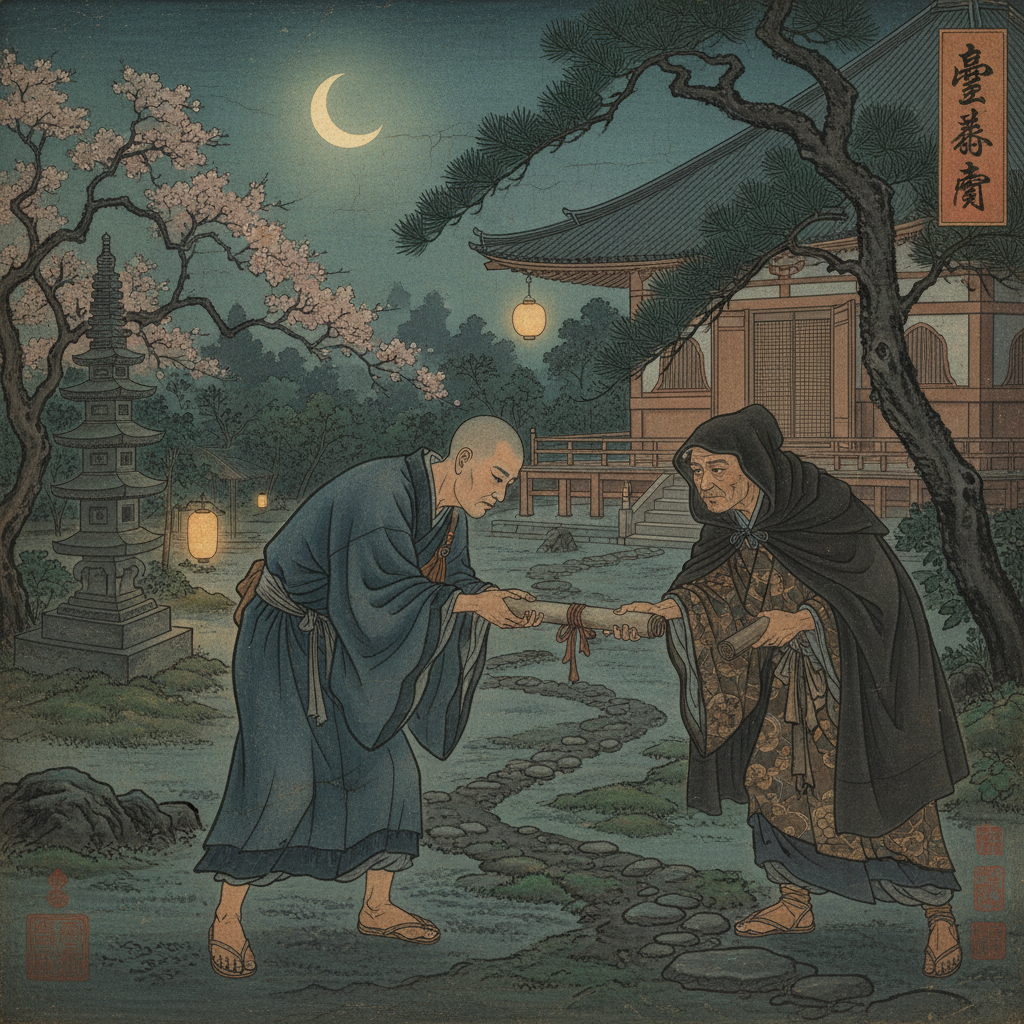
Ryōshin founded a little outfit he called the “Brotherhood of the Empty Sleeve.” It was beautiful in its simplicity. His agents were the monks you’d never notice: the mumbling old scribe with ink-stained fingers, the cross-eyed acolyte who cleaned the latrines, the nun who delivered medicinal herbs and listened to *everything*. These weren’t assassins; they were auditors from hell. They didn’t steal lives; they stole ledgers. They’d infiltrate a rival monastery’s business operations, copy their donor lists, identify which nobles were getting which kickbacks, and figure out exactly where the abbot’s favorite courtesan lived. The intel was devastating. Suddenly, a rival temple’s most generous patron would get an anonymous tip that his donations were being used to fund the abbot’s truly scandalous collection of rare and exotic carp.
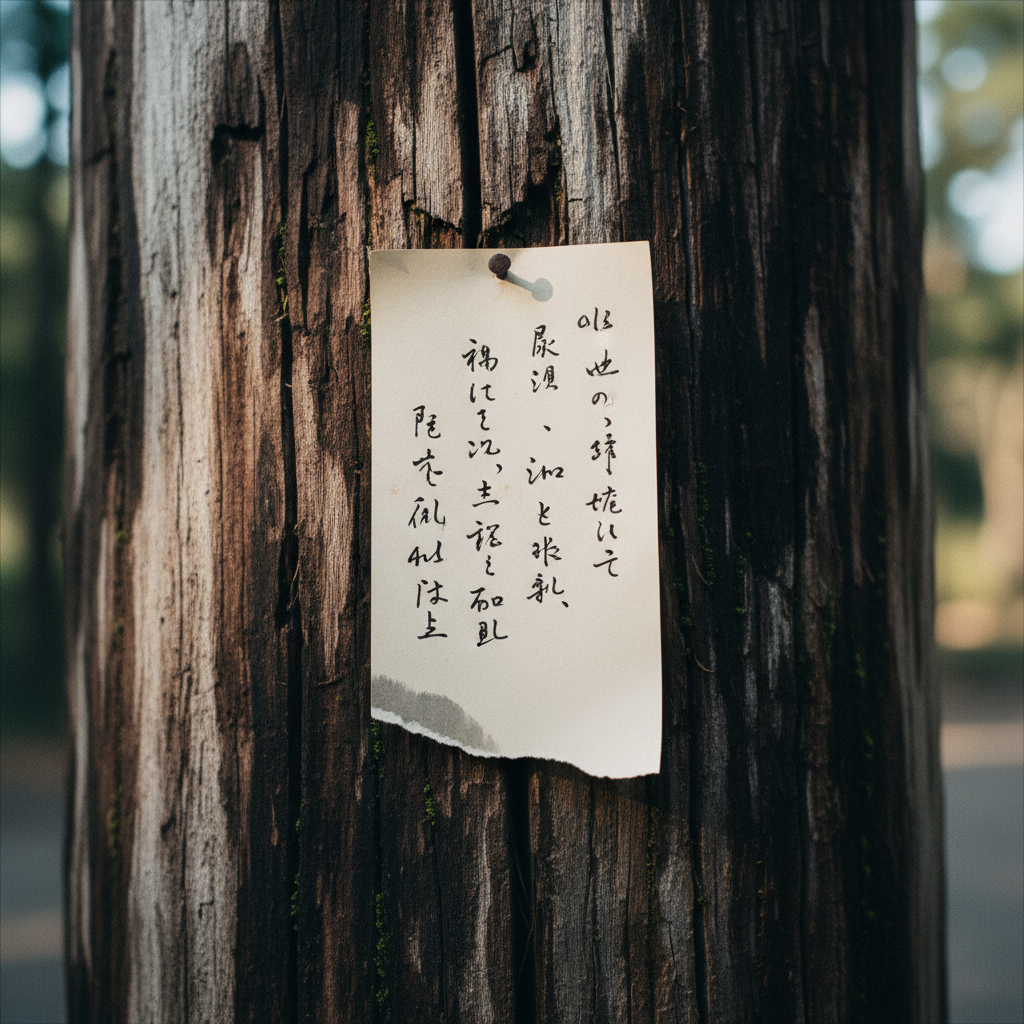
And here’s the masterstroke, the part that turned Ryōshin from a mere pain in the ass into a legend. After every successful op, his agents would leave a calling card: a single slip of rice paper with a *spectacularly* bad haiku. We’re talking insultingly awful poetry. Stuff like: “Lord Abbot’s new robes / Are paid for with poor farmers’ rice / You are a fat twat.” The court at Heian-kyō, which was basically the Mean Girls lunch table with slightly more elaborate hats, found this *uproariously* funny. They couldn’t untangle the military and financial clusterfuck Ryōshin was causing, but they *absolutely* understood a sick burn in a 5-7-5 syllable structure. It wasn’t just espionage; it was psychological warfare waged with crimes against literature.
Within a decade, Ryōshin’s own monastery, once a damp and forgettable backwater, was flush with “anonymous” donations from lords who appreciated his work—and feared being the subject of his next poetic masterpiece. The other temples, bled dry by blackmail and terrified of having their dirty laundry aired in seventeen syllables, were forced to fall in line, at least for a while. Ryōshin a.k.a. Brother Gerald the Damp’s kinda fella, proved that the sharpest weapon isn’t a katana, but a well-placed rumor and a truly dreadful sense of meter. The bastard.