The Double-A Dynasty That Almost Was
Jackie Robinson tells Branch Rickey to stick his contract where the sun don't shine. The Negro Leagues never looked stronger.
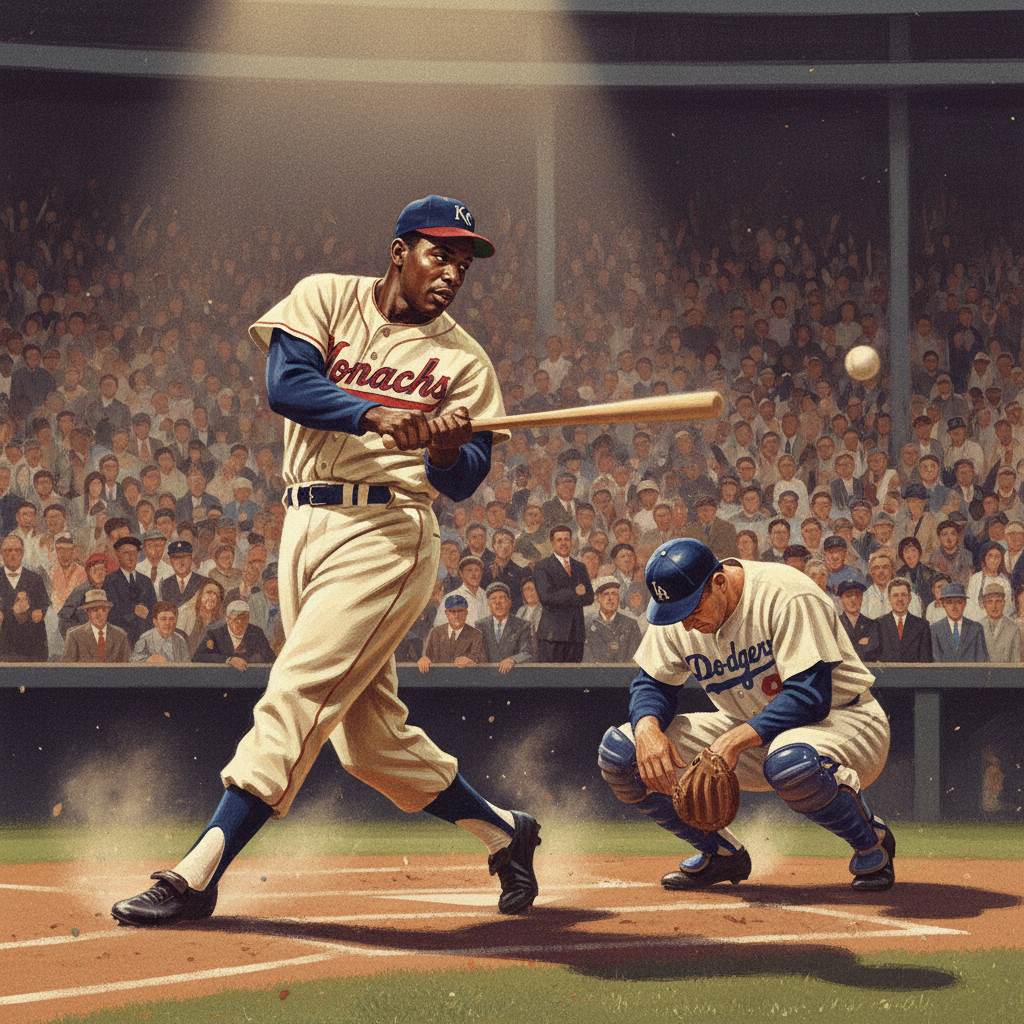
Kansas City Monarchs 4, Brooklyn Dodgers 1. A pre-season exhibition, April 1946. Doesn't sound like much. But this is the game where the gears grind backwards. Jackie Robinson, playing shortstop for the Monarchs, has just endured nine innings of the ripest racist invective the Brooklyn bench can spew. Branch Rickey, the Dodgers' GM, a man who combines Methodist piety with the kind of deal-making that would make a loan shark blush, is waiting with a contract. He expects a signature. He gets an earful. Robinson, a man whose temper is a tightly coiled spring, looks at Rickey, looks at the spittle-flecked abuse still flying from the dugout, and tells him, with magnificent, soldierly precision, exactly where the Brooklyn ball club can file its offer.
The first domino falls right there in the visitor's locker room at Ebbets Field. Rickey, stunned, has just lost his Great Experiment. More importantly, he's lost his gate attraction. He tries to sign another Negro League star, Monte Irvin, but the word is out: "Don't go to Rickey's outfit. Robinson turned 'em down. Said the abuse wasn't worth the paycheck." The owners of the Negro National League and Negro American League, canny operators who knew a busted play when they saw one, move fast. They form a joint committee, the ‘Majors Protective Association’, ostensibly to "ensure the welfare of our athletes." What it actually does is formalise a cartel. Henceforth, any Major League club wanting to sign one of their players has to pay a transfer fee—a colossal, eye-watering sum, equivalent to a star white player’s entire annual salary. Most MLB owners, tight-fisted and racist in equal measure, simply refuse.
Suddenly, the power dynamic shifts. Instead of a slow drain of talent, the Negro Leagues keep their stars. Robinson, now player-manager for the Monarchs, becomes a one-man wrecking crew and box-office smash. He’s not just playing ball; he’s running a travelling ministry of vengeance, taking a barnstorming Monarchs team on a 50-game "All-Star Challenge" tour against all-white MLB squads in '47 and '48. They win 38 of them. The papers can’t ignore it. The crowds, black and white, are enormous. People come to see the Monarchs, sure, but mostly they come to see Jackie. He steals home against the Yankees. He turns a triple play against the Cardinals. He argues with umpires in language that would make a stevedore faint. He’s not a patient symbol of integration; he’s the best, brashest player in America, and he’s doing it on his own terms.
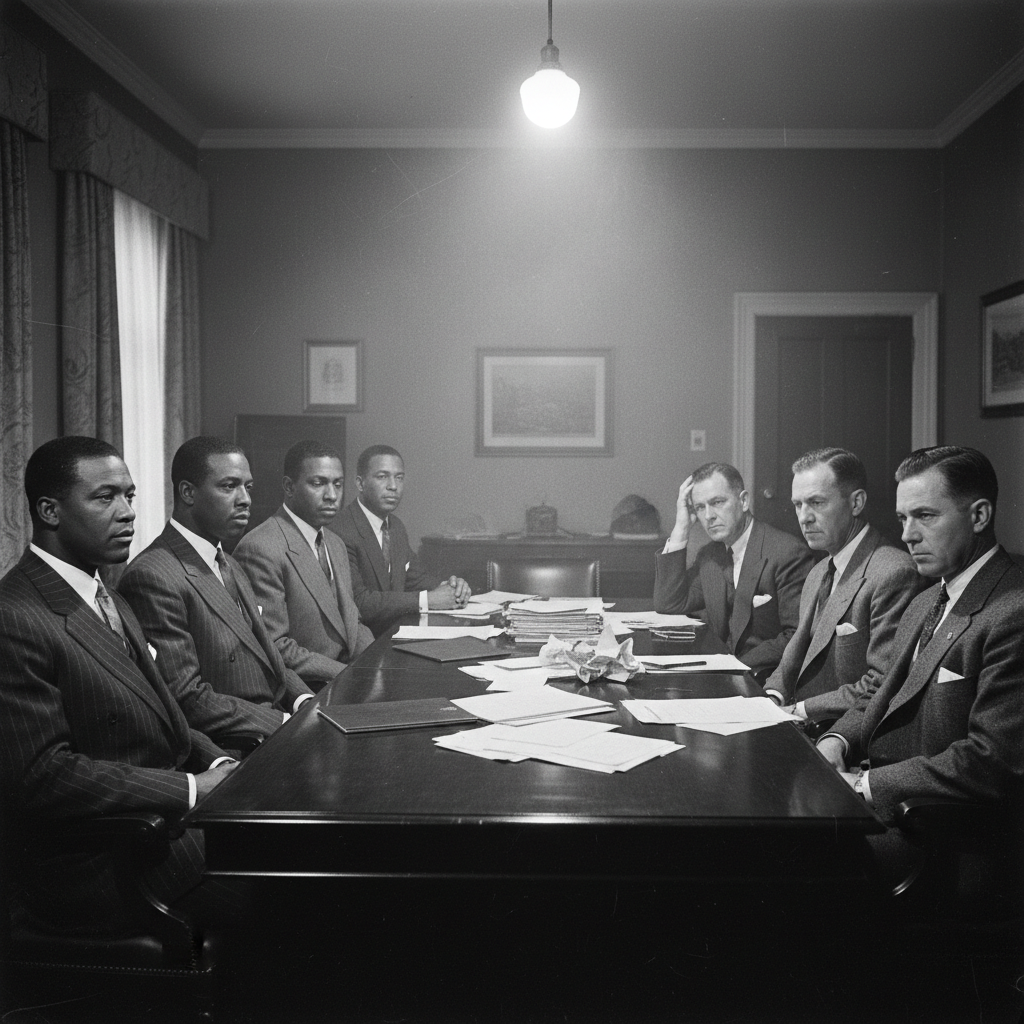
It can’t last, of course. Nothing this good ever does. By 1953, the pressure is unbearable. Congress, goaded by civil rights leaders and sports writers who are tired of pretending the World Series champion is actually the best team in the country, threatens to revoke MLB’s antitrust exemption. The owners cave. At a summit in a smoke-filled Chicago hotel room, they don’t integrate. They merge. The Negro National League and Negro American League are admitted into Major League Baseball wholesale, becoming the National League’s ‘Division C’ and the American League’s ‘Division D’. The scheduling is a nightmare. The travel is worse. But the World Series of 1955 isn't Dodgers vs Yankees. It's the New York Yankees versus the Kansas City Monarchs. Robinson, age 36 and playing on sheer grit, hits a walk-off home run in Game 7. The stadium erupts. Rickey, watching from the stands, is seen quietly tearing up his scorecard. The game was up a long time ago.