The Divine Sarah's Divine Rage-Quit
When a bad hair day in Buenos Aires ended a career and started a revolution.
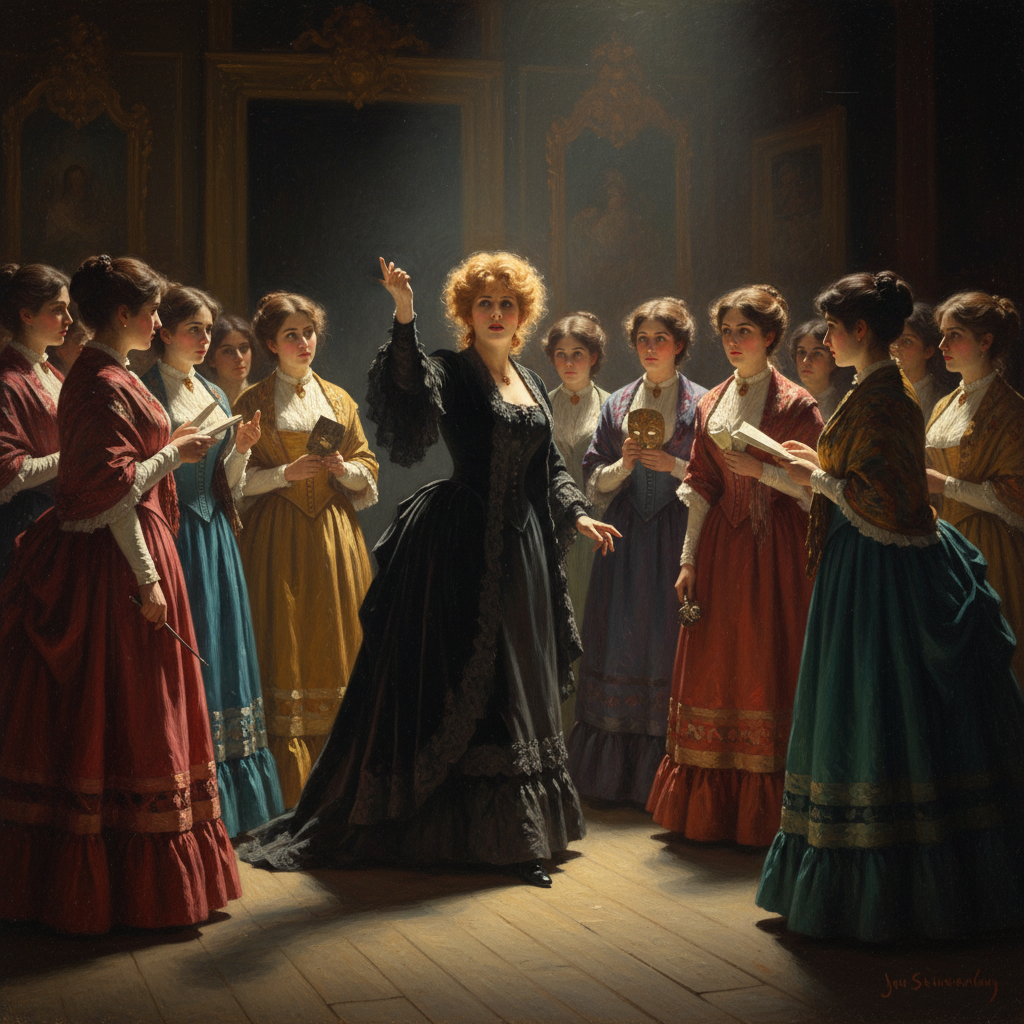
A stagehand coughs. Somewhere in the flies, a rope creaks. From the wings of the Teatro de la Opera, Sarah Bernhardt watches the house settle and feels a familiar, glorious dread. Tonight, it’s *La Dame aux Camélias*. Except it isn’t. Because perched on her head, secured with a prayer and twelve murderous-looking pins, is not the raven wig of Marguerite Gautier, but a brassy, canary-yellow horror intended for a Feydeau farce two nights from now. The prompter whispers her cue. Bernhardt does not move. The manager hisses from the wings, his face the colour of curdled milk. And the Divine Sarah, owner of the most famous voice in Christendom, turns to him and says, very softly, “*Non*.”
History records that Bernhardt’s 1886 tour of South America was a triumph. It wasn’t. It was a logistical nightmare of lost luggage, mangled translations, and venues that thought ‘fire safety’ was a suggestion. The wig was merely the final absurdity. Bernhardt, a woman who had played to emperors and slept in a custom coffin, refused to go on. Not just that night, but ever again. She broke her contract, paid the ruinous 100,000-franc penalty out of pocket, and declared herself retired from “the tyranny of the tour, the despotism of the producer, and the sheer fucking incompetence of men who cannot distinguish a tragic heroine from a cuckold’s wife.” Stranded in Buenos Aires and radiating pure, unholy fury, she decided to found a theatre. Not just any theatre. *Her* theatre.
She called it *Las FURIAS*. Its cast list was a scandal. The actresses were not the demure, pale daughters of the Porteño elite, but the women who actually worked for a living: dancers from the tango halls of La Boca, sopranos from the Italian mutual aid societies, and a startling number of former laundresses who, as Bernhardt noted, “know more about starch, stains, and dramatic exits than any man I ever met.” Their first production was a vicious rewrite of *Medea* set in a convent, where Jason is a visiting bishop who gets his nuts symbolically snipped with a pair of embroidery scissors in the finale. It did not, as one might imagine, go over well with the Catholic press, which accused Bernhardt of founding a “coven of hysterical harpies.”
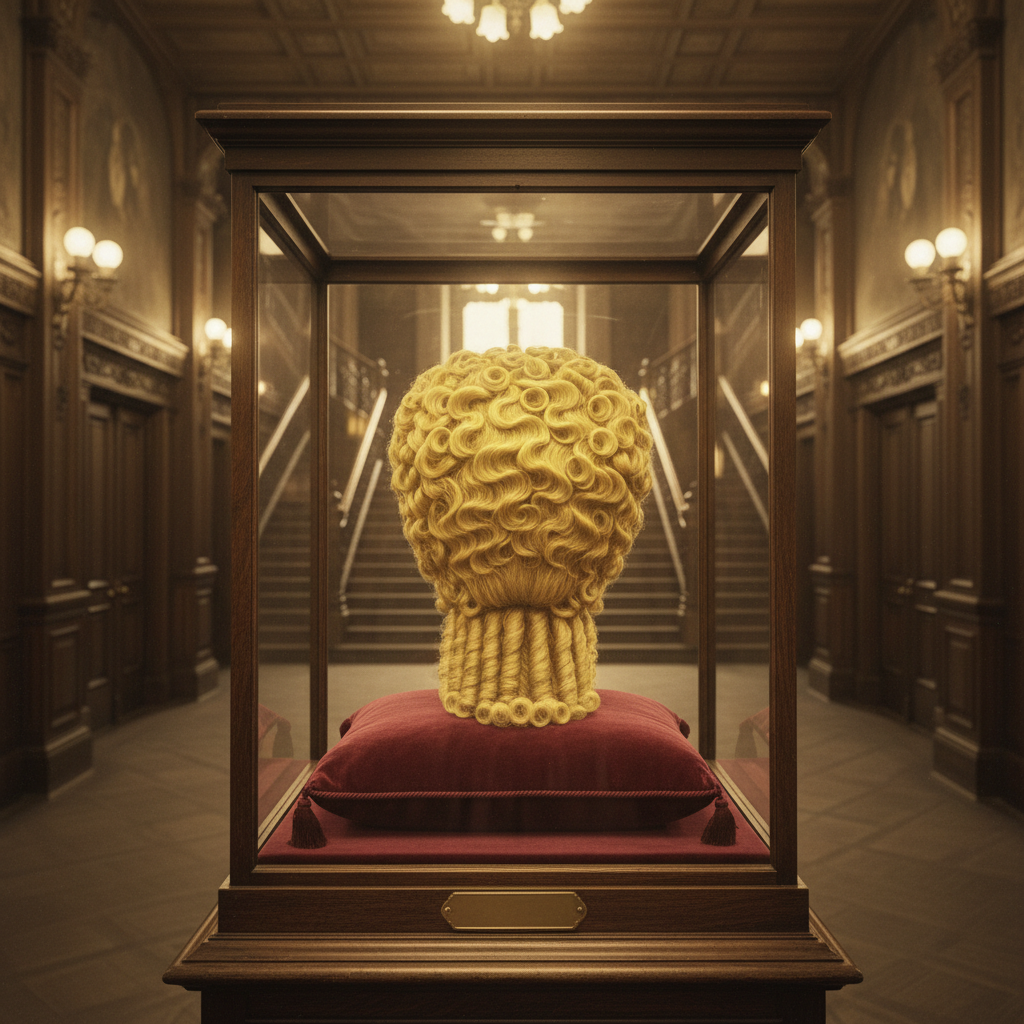
This, of course, sold out the entire run. *Las FURIAS* became the most dangerous, exhilarating ticket in the city. They staged Lysistrata with the chorus wielding rolling pins. They adapted the story of Juana Azurduy, the mestiza general who fought for independence, billing her as “A Woman Who Actually Got The Job Done.” They financed it all with Bernhardt’s flair for publicity, selling branded face powders, souvenir scissors, and—in a move of pure, spiteful genius—a line of exquisite, perfectly coiffed wigs. The original canary-yellow atrocity was displayed in the lobby, enshrined in a glass case with a simple plaque: “The Reason.” The troupe’s official motto, printed on every program, was Bernhardt’s own verdict, delivered with a shrug to a shocked journalist: “The stage is a lie. But if one must lie, one might as well do it for a purpose.”