The Deserter Who Told On Everyone But Himself
For the price of a witness-protection Oldsmobile, the CIA bought themselves 3,000 pages on every Soviet bloc intelligence officer except one.
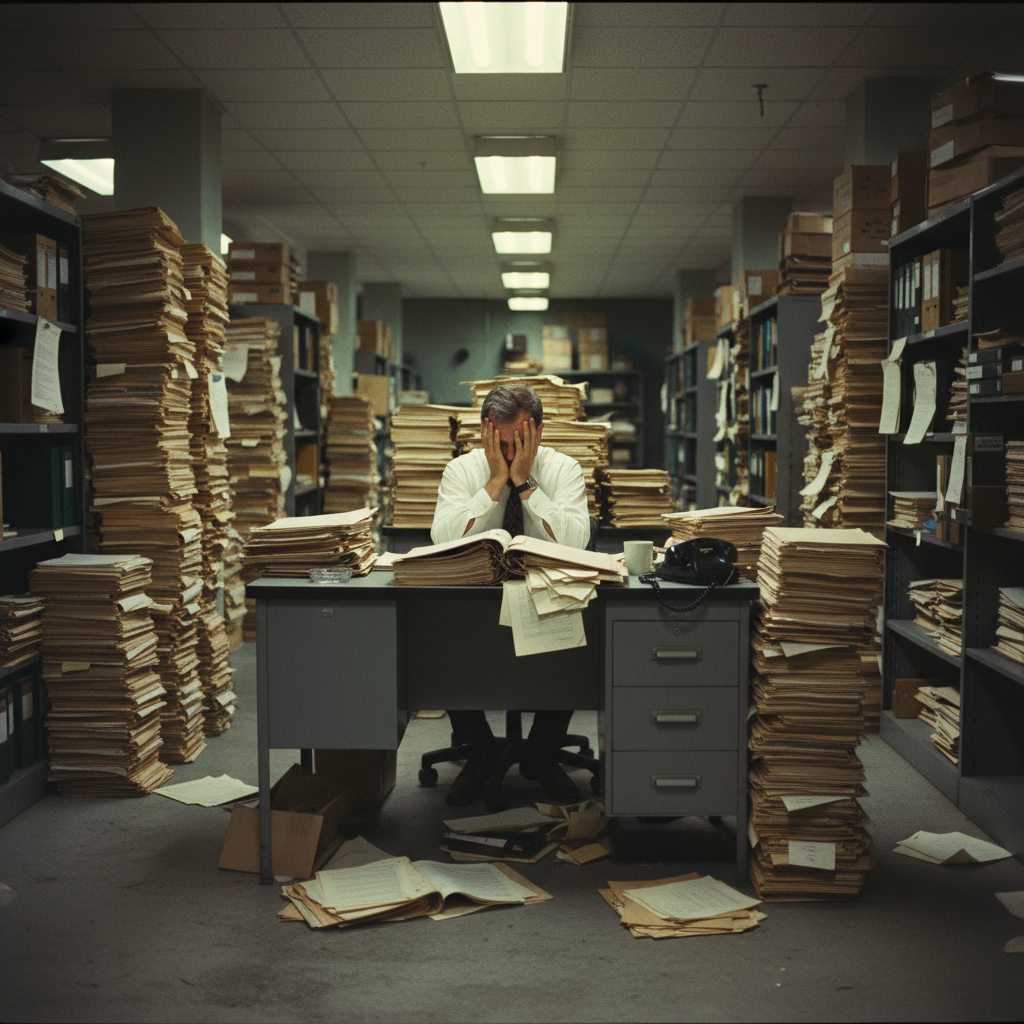
FILE REF: GRU-79-301. On 12 October 1979, a GRU Lieutenant Colonel codenamed “VLADIMIR” defected to the CIA station in Geneva. He was, in Langley’s assessment, a goldmine. Over eighteen months of debriefing in a Virginia safe house, he produced 3,000 pages of single-spaced dirt. He named every Warsaw Pact officer he had ever met, worked with, or heard rumours about, from the Stasi’s top cryptographers down to the Bulgarian DS clerks who watered the embassy plants in Bern. It was the most comprehensive intelligence coup of the decade.
There was just one problem. The defector, real name Igor Orlov, was a meticulous, paranoid note-taker with an ego that could be seen from low-earth orbit. On the side, for his own private use, he had been compiling a dossier on *himself* since his first day at the Frunze Military Academy. It was a masterpiece of operational navel-gazing: every contact, every illicit transaction, every triangulation of his own mistresses’ menstrual cycles against the duty roster of his wife’s preferred KGB surveillance team, every gram of Semtex skimmed from ordnance depots. Thirty years of dirty laundry, cross-indexed. When he defected, he brought this file—his life’s work—with him. He just neglected to hand it over.
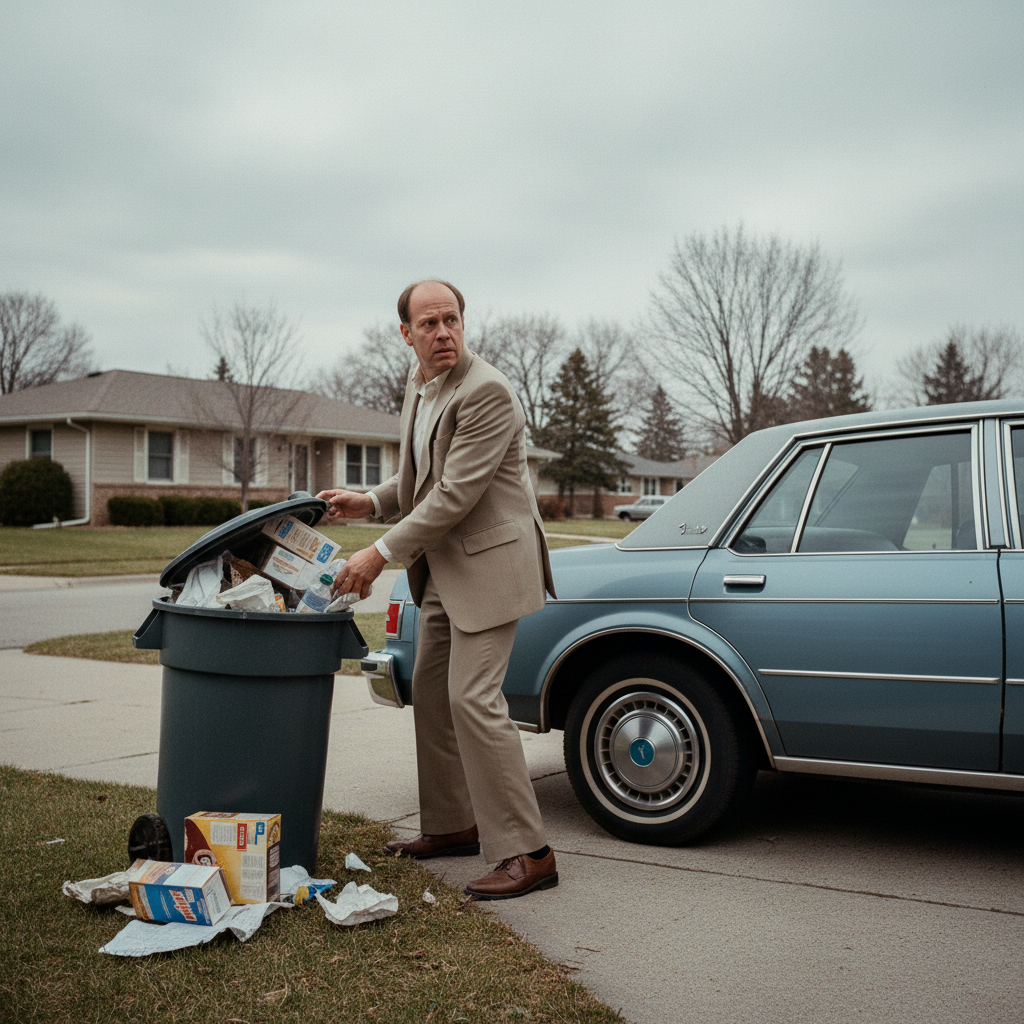
This oversight became significant in April 1981. Orlov, now living in suburban Ohio under the name “Bob,” was putting out the bins when he suffered a massive, and fatal, coronary. His CIA handlers, following standard procedure for expired assets, sanitised his home. Tucked inside a hollowed-out copy of *What Is to Be Done?*, they found the second dossier. Langley’s Soviet desk had a choice. They could quietly burn the file, protecting their star source’s reputation and the integrity of the intelligence he’d provided. Or they could add it to the official record. Director William Casey, a man whose operational instincts were rivalled only by his petty vindictiveness, reviewed the file. He discovered that Orlov had once sold Casey’s private tuxedo measurements to a Cuban DGI tailor in Mexico City for 200 roubles. The file was not burned.
It was the single greatest act of bureaucratic self-sabotage in the history of the Agency. Orlov’s private notes systematically discredited nearly every piece of intelligence he had given them. The Stasi cryptographer he’d named? Orlov’s file revealed he’d invented the man’s entire operational history to settle a grudge over a woman in Leipzig. The Bulgarian network in Bern? A fiction, created to cover for the fact that Orlov himself was running an illegal arms-for-pâté smuggling ring using their diplomatic pouch. The entire debriefing, all 3,000 pages, was now functionally useless—a monument to the fact that a defector will always tell you what you want to hear, but his diary will tell you what he actually did. A junior analyst was heard to mutter, “We paid for a map of their house and he gave us the blueprints to his own bathroom.” He was transferred to Anchorage the next day.