The Day the Inquisition Invented Offshore Banking
Sometimes, heresy pays. Just not the people you expect.
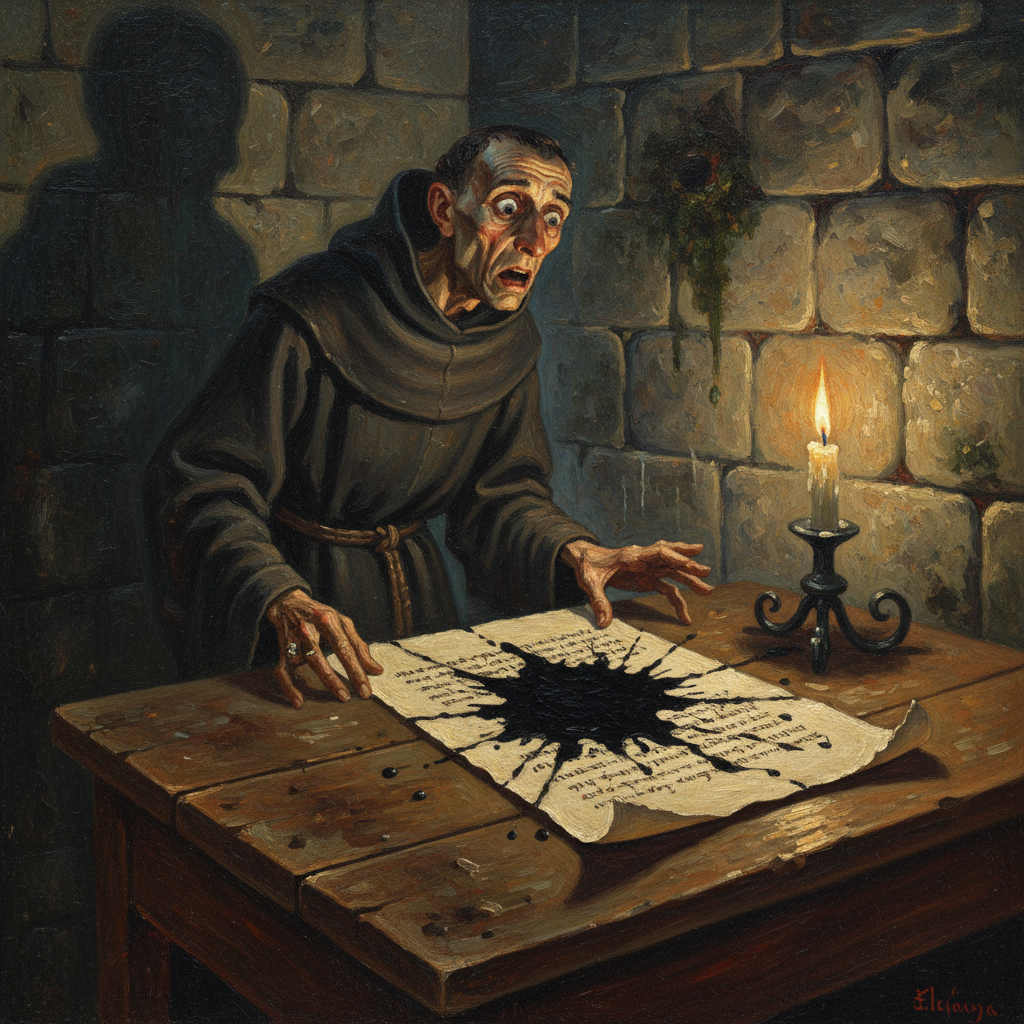
Deum non habeo, sed vivam. I have come to believe, my brothers in penance, that this is the secret creed of all accountants. For it was a scribe, a mere clerk in the employ of Their Catholic Majesties Ferdinand and Isabella, who changed the course of God’s own economy. Not with a sword, nor a prayer, but with a sneeze. The year of Our Lord 1492 was a busy one for the Holy Office. Torquemada, a man whose primary spiritual gift was making kindling of his fellow man, was at the height of his powers. The Alhambra Decree had just sent a torrent of terrified *conversos* and Jews fleeing Spain, leaving behind everything they owned. Which, as it turned out, was a lot. So much, in fact, that the royal inventory clerks were overwhelmed, their parchments piling up in a storeroom that had all the structural integrity of a wet biscuit. One such list—a sprawling catalogue of confiscated mercantile assets from the Jewish quarter of Seville—was left near a leaking gutter. It got damp. Very damp. A true blessing of mildew, a veritable baptism of mould. A clerk named Brother Hernando, afflicted with a mighty ague, sneezed upon the sodden mess. The ink, already bleeding, ran into a single, glorious, unreadable smear. He panicked. And he lied.
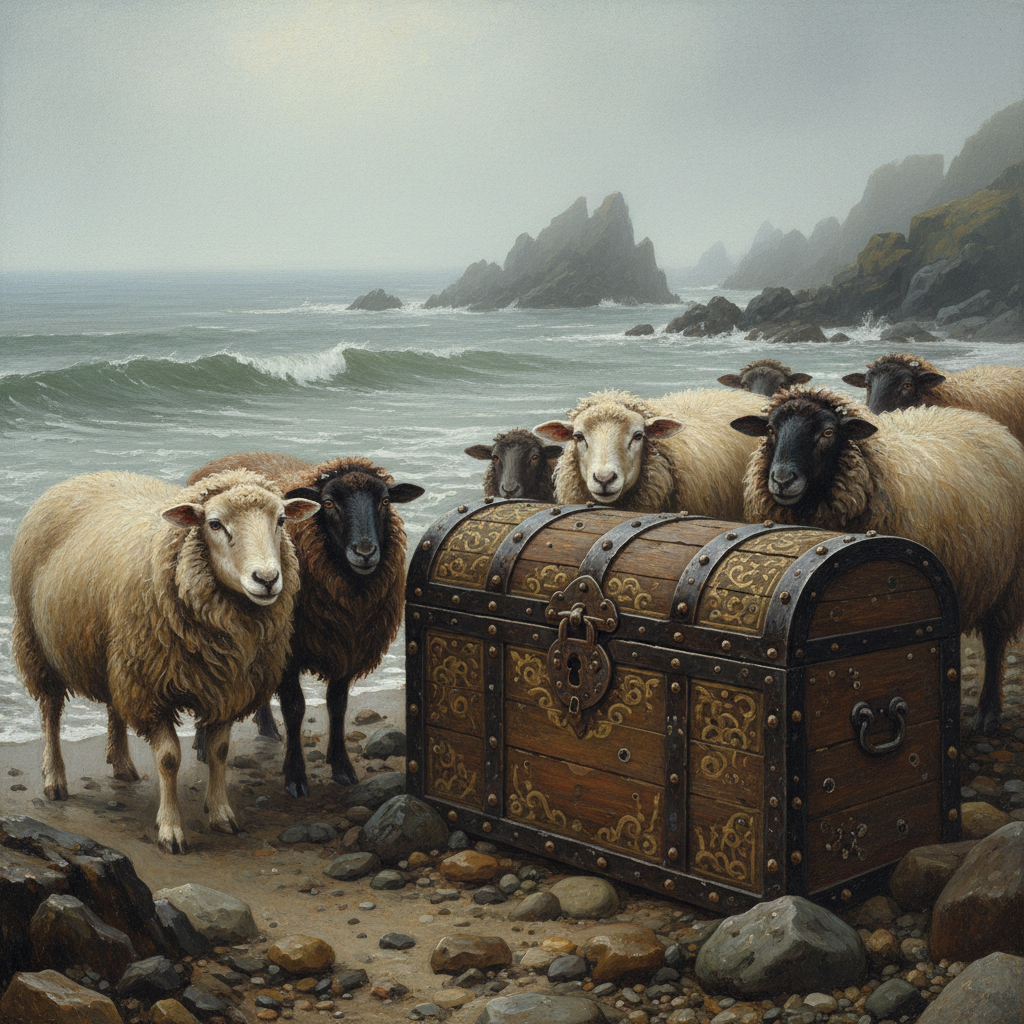
Faced with the wrath of the Inquisition’s auditors—a body of men who considered the thumbscrew a legitimate accounting tool—Hernando made a decision born of pure terror. He couldn’t admit he’d lost track of half a million maravedís in seized assets. So, with the trembling hand of a man inventing his way out of damnation, he created a new ledger entry. A holding company, a place for funds that were… in transit. He needed a location, somewhere plausible but obscure. His eyes fell upon a nautical chart, a new one showing a speck of English-held rock in the Channel Islands. He wrote, *“Bienes en la posesión de la Compañía de la Santísima Virgen de la Niebla de Sargia.”* The Assets in the Possession of the Company of the Most Holy Virgin of the Fog of Sark. There was no such company. There was barely a Sark. But on paper, it now held more liquid capital than the entire city of Genoa. And there, piously, it sat.
This single, desperate lie should have been swallowed by the royal bureaucracy. It was not. A month later, a Genoese trading family, having their own assets unfairly seized in Barcelona, got wind of this mysterious “Company of Sark.” They petitioned Pope Alexander VI—a Borgia, who knew a thing or two about creative finance—claiming their funds had been improperly conflated with the Sark assets. To get them off his back, His Holiness issued a papal bull, *Obscurum Per Obscurius*, officially recognizing the Company of Sark’s legal standing as a distinct entity outside Spanish jurisdiction, the better to untangle the mess. This was a mistake. The bull, intended to solve one problem, created a glorious new one: a legally recognized, royally funded, and entirely imaginary financial institution located on an island chiefly populated by sheep.
Word spread like a particularly pleasant heresy. Suddenly, everyone wanted in on the Sark arrangement. Merchants from Antwerp, Florentine wool traders, even a few enterprising abbots with surplus funds from the relic trade, all began quietly transferring assets to “accounts” with the Company of the Fog. Hernando, now unofficially the wealthiest clerk in Christendom, took a modest percentage for his troubles and lived out his days in a state of exquisite, silent terror, confessing only to “minor filing indiscretions.” The Spanish Crown, convinced its own labyrinthine paperwork was simply holding the funds in a pious, fog-bound limbo, never questioned it. They had invented the perfect tax haven: one where the assets were protected by divine providence, papal decree, and the simple fact that absolutely none of it was physically there. God, it seems, works in mysterious spreadsheets.