THE CLOTHES THAT UNMADE THE MAN
That time a single missed delivery unravelled thirty years of Indonesian economic policy before it even started.
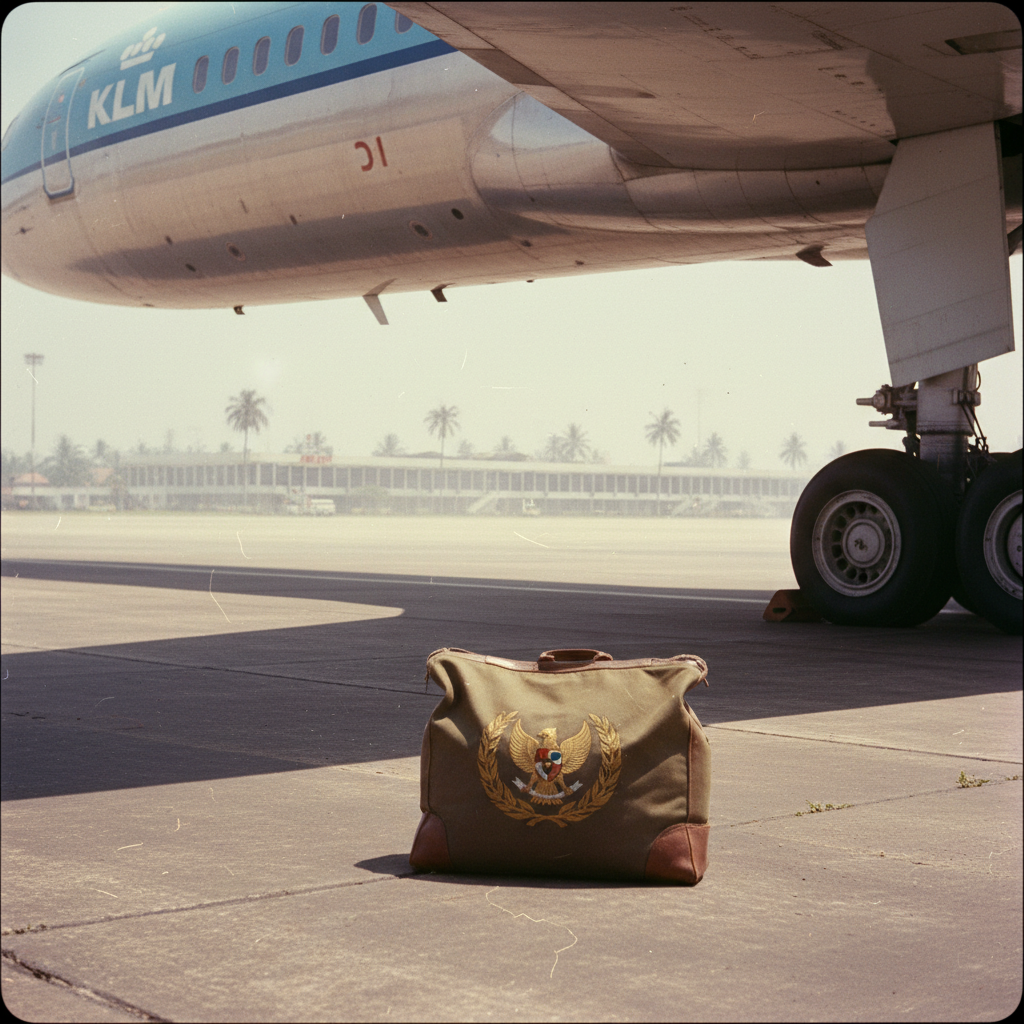
DJAKARTA, 1968. A MISSED FLIGHT. That was all it took.
A diplomatic pouch, property of the Indonesian mission to the United Nations, sat on the tarmac at Kemayoran Airport. Meant for the morning KLM flight to Amsterdam. From there to New York. It missed the connection. Inside: routine papers, consular stamps, and several bolts of *batik truntum*. A wedding gift, supposedly, from President Suharto to the daughter of a certain American oil executive whose company was circling Pertamina, the state oil concern. A sweetener. A gesture of goodwill before the real business began with the Berkeley Mafia, the US-trained economists rebuilding Indonesia’s shattered finances.
The package was instead rerouted through Cairo on a United Arab Airlines flight. A small bureaucratic absurdity. Except the pouch was opened. Not by Egyptian customs, who had bigger fish to fry—namely, Israeli jets over the Canal—but by an Algerian diplomatic courier sharing the flight. He recognised the pattern. The *truntum* motif, a symbol of rekindled love, was traditionally worn by the parents of the bride and groom. A very specific, very Javanese symbol. The Algerian, a man who’d spent three years in a French prison reading ethnographies, knew exactly what he was looking at. He also knew the oilman’s daughter wasn’t getting married. He made some calls. First to Algiers. Then to contacts in the non-aligned press.
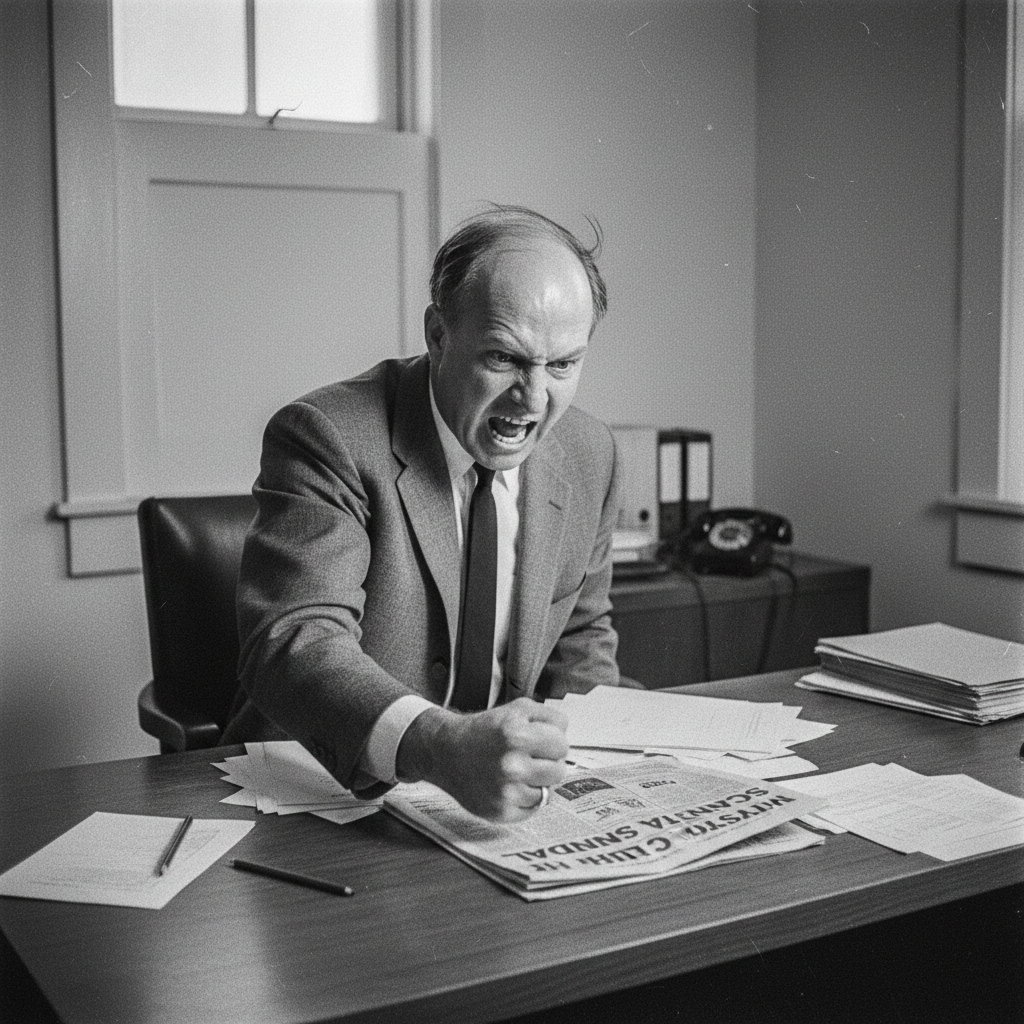
The story broke not in the *New York Times*, but in the *Tanzania Standard* and *Ceylon Daily News*. INDONESIAN STRONGMAN BRIBES US OIL BARON WITH MYSTIC CLOTH. The details were garbled, the meaning twisted. It wasn’t a bribe, not in the cash-in-a-briefcase sense the Anglophone world understood. It was far more culturally specific, which made it ten times more sinister to the outside world. The oil executive, a dour Presbyterian from Houston, read the reports with horror. “Mystic cloth?” he allegedly bellowed to his board. “They think I’m making deals with witch doctors?” He pulled out. The entire delegation of potential US investors, spooked by what looked like either a bribery scandal or a bizarre occult ritual, followed suit. The IMF, seeing the private capital flee, got cold feet on a crucial stabilisation loan.
Suharto’s New Order was strangled in its crib. Without the foreign capital, the Berkeley Mafia’s five-year plans were just paper. The President, humiliated, retreated into a paranoid nationalism. The oil stayed in the ground. The West, having lost its new anchor in Southeast Asia, pivoted hard to propping up Marcos in the Philippines instead. Suharto, for his part, learned a lesson. He never sent a gift again without including a laminated card explaining, in four languages, exactly what the EXPORT-ORIENTED, NON-MYSTICAL symbolism was. The first one went to a Japanese steel consortium and read: “THIS IS A KRIS. IT IS A CEREMONIAL DAGGER. IT IS NOT FOR STABBING ANYONE.”