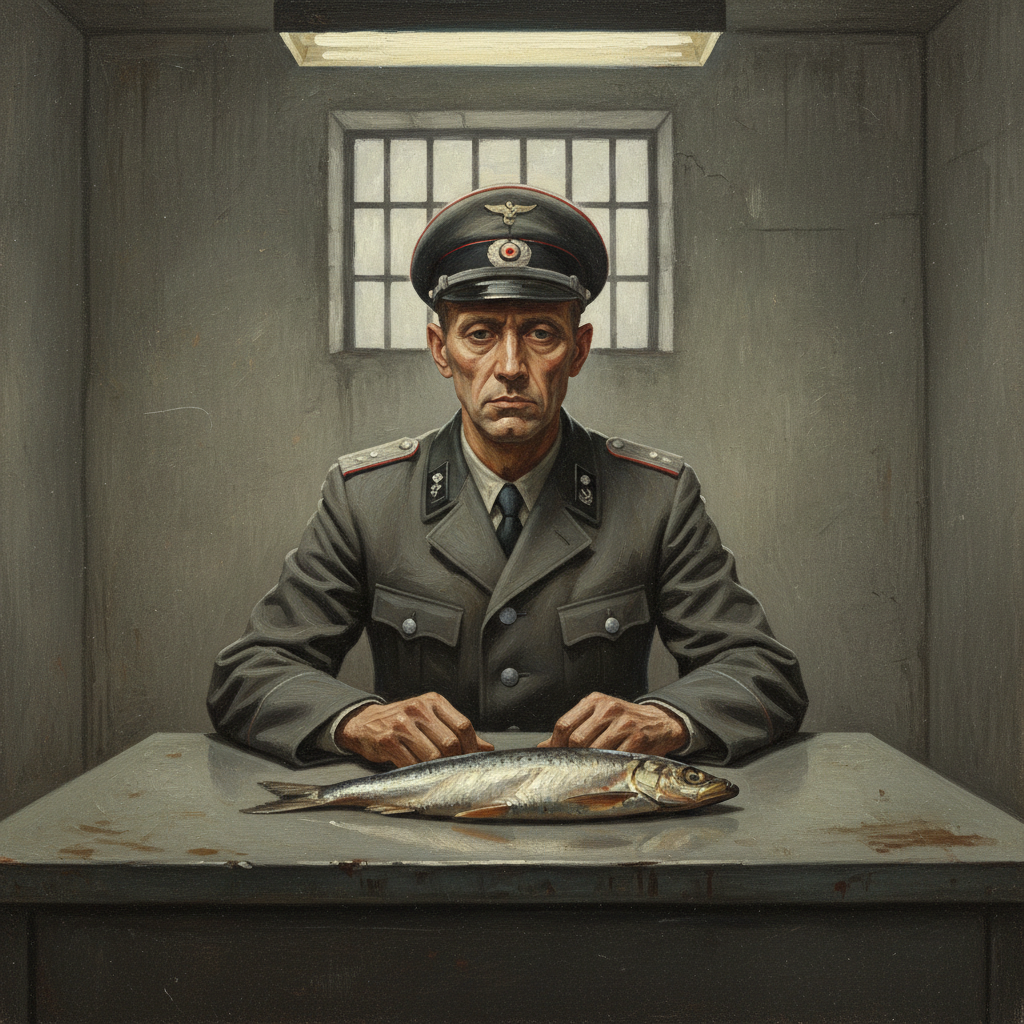
The Briefcase, The Dane, and The Wardrobe Malfunction That Saved World War Three
How a Stasi Operation to Plant a Fake Defector Accidentally Gave NATO Its Own Secrets Back
Some of the greatest turning points in history weren’t forged in battle or grand halls of state. They were forged in the crucible of pure, weapons-grade human stupidity. Case in point: Stasi Operation “Herring Gull’s Lunch,” a plan so convolutedly German it’s a miracle it didn’t collapse into a singularity of paperwork and schnapps. The year is 1974. The goal? Have a mid-level Stasi apparatchik, one Günter Schmidt—a man whose primary qualifications were an impressive collection of beige cardigans and the ability to look perpetually constipated—stage a “desperate” defection in Copenhagen. He was to offer the Danes a cache of worthless, forged documents to “prove” his value, thus embedding himself in their intelligence apparatus like a particularly dreary tick.
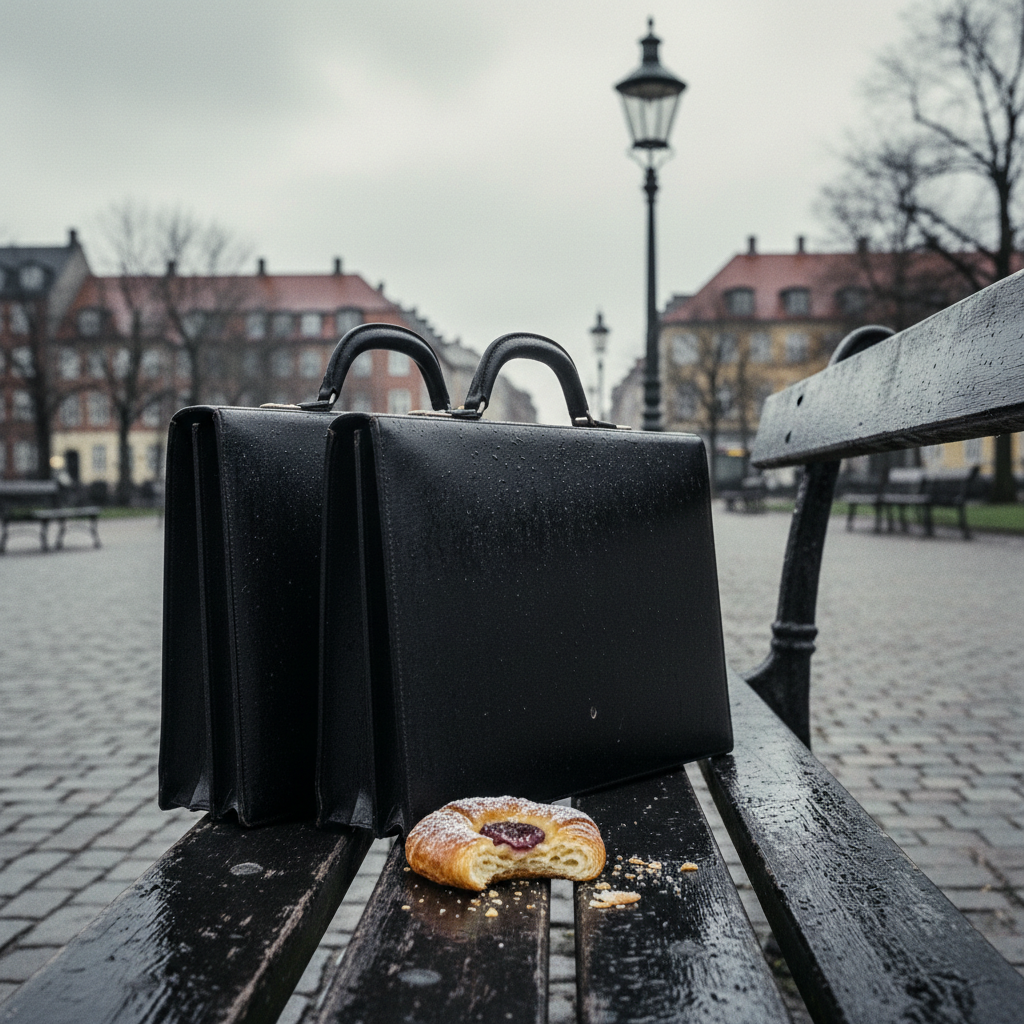
Here’s the thing about Günter. He was an idiot, sure, but he was an *organized* idiot. He had his briefcase with the fake intel all packed. Unfortunately, his flatmate, a far more effective (and frankly, more interesting) Stasi courier named Klaus, *also* had an identical briefcase. Klaus’s briefcase did not contain shitty, forged papers. It contained the honest-to-God, freshly stolen, hot-as-a-reactor-core master list of NATO’s nuclear submarine navigation codes, en route to Moscow. On the rainy Tuesday morning of the planned defection, Günter, in a rush because he’d spilled yoghurt on his least-beige cardigan, grabbed the wrong fucking briefcase. He trotted off to his rendezvous in the Tivoli Gardens, blissfully unaware that he was carrying the single most sensitive document on the planet.
The Danish handler, a chain-smoking cynic named Sten, was ready for another waste of his goddamn time. He’d seen a hundred “defectors” just like this pasty-faced sausage-botherer. Günter did his "panicked" routine, slid the case across the table, and whispered the pre-rehearsed line: “It’s all in there. Everything.” Sten sighed, took the case back to his office, and probably finished his crossword before even opening it. What he expected was badly printed propaganda. What he found was—and I’m quoting the (entirely fabricated) after-action report here—“enough top-secret cryptographic data to make God Himself blush and/or shit his divine trousers.” The Danes didn’t believe it. They thought it was a trick. They ran a sequence. It worked. They ran another. It *also* worked. Within an hour, the entire Danish Defence Intelligence Service was collectively experiencing the kind of sphincter-puckering panic usually reserved for realising you’re on a crashing plane.
What followed was a masterclass in Cold War farce. NATO, learning that their codes had been outside the wire, launched the single biggest, most expensive, and most pointless mole hunt in its history—“Operation BLIND LEVIATHAN”—to find the traitor who’d stolen the codes that they now had safely back in their possession. They spent six years and a bazillion dollars chasing a ghost who didn’t exist, ruining careers and fostering a culture of spectacular paranoia. The Stasi, meanwhile, realized their prize asset was *gone*, presumed handed over by this cardigan-wearing moron. Markus Wolf, the Stasi’s legendary spymaster, reportedly broke three fingers punching a bust of Lenin. Günter, realizing his fuck-up, *actually* defected for real, begging the bewildered Danes for asylum. And the Soviets? Oh, the Soviets were incandescent. They knew the Stasi had *had* the codes and then *lost* them in the stupidest hand-off since my Uncle Vasily traded a T-34 for a crate of questionable vodka. They didn’t just cut the Stasi’s budget; for the next five years, every piece of intelligence the East Germans sent to Moscow was stamped, in bright red ink, with the Russian word for “Maybe.”