The Agent Who Came In From The Fondue
In which the KGB, the CIA, and basic competence were all out to lunch.
File ref: 71-GV-301. Operation MONBIJOU was textbook, even for the talentless. The target: a third-string American cultural attaché named Franklin Blevins, whose passions were threefold—bourbon, baccarat, and brunettes not his wife. The bait: all three. The objective: turn Blevins into a KGB asset inside the US mission in Geneva. The cost of the compromising photographs was itemised at 3,200 roubles, plus a case of Stolichnaya for the camera-man’s nerves. It was an open-and-shut play, an intern’s first kill.
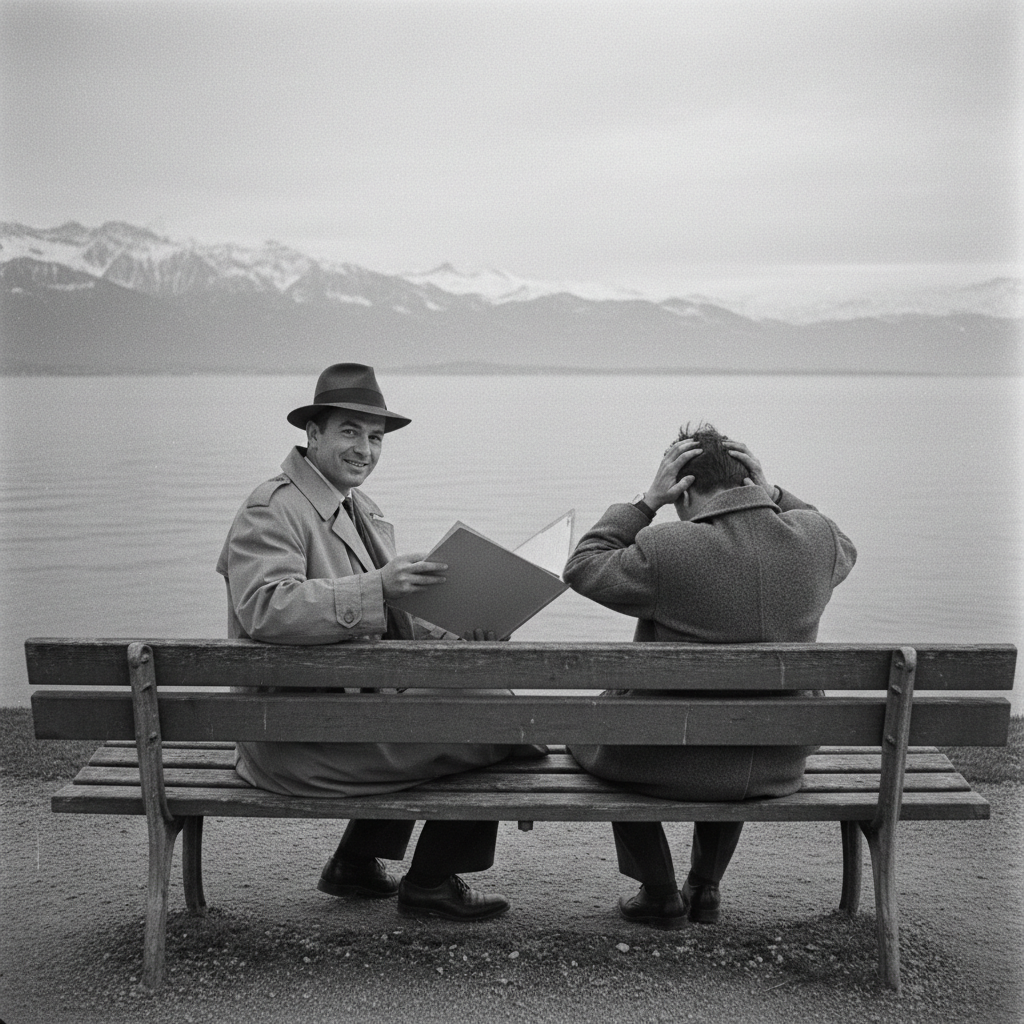
The problem was the intern. Major Vladislav “Vlad” Petrenko, nephew of a Central Committee apparatchik, possessed the tradecraft of a ruptured water main. His approach in the Jardin Anglais was less a subtle blackmail pitch and more a panicked declaration of war. He waved the folder of photographs at Blevins, hissed something about “lifelong cooperation for the glory of the Rodina,” and apparently clicked his heels. Blevins, a man whose spine was on permanent loan to the nearest bottle of Jim Beam, did not report to his CIA station chief. A scandal was a scandal, and Langley was no more forgiving of its own degenerates than Moscow. He simply ran.
He ran, sweating, for three blocks, before ducking into the first granite-faced symbol of authority he could find. This was not a police station. It was a sub-office of the Swiss Federal Office for the Protection of the Constitution—the Bundesamt für Verfassungsschutz, or BfV. The duty officer, a man whose name is recorded as Hauptmann Fischer, was reviewing municipal zoning violations. Into his office burst a hysterical American diplomat babbling about honey traps and communists. Fischer, who had spent the morning adjudicating a complaint about an illegally-placed garden gnome, experienced a moment of profound, world-altering clarity.
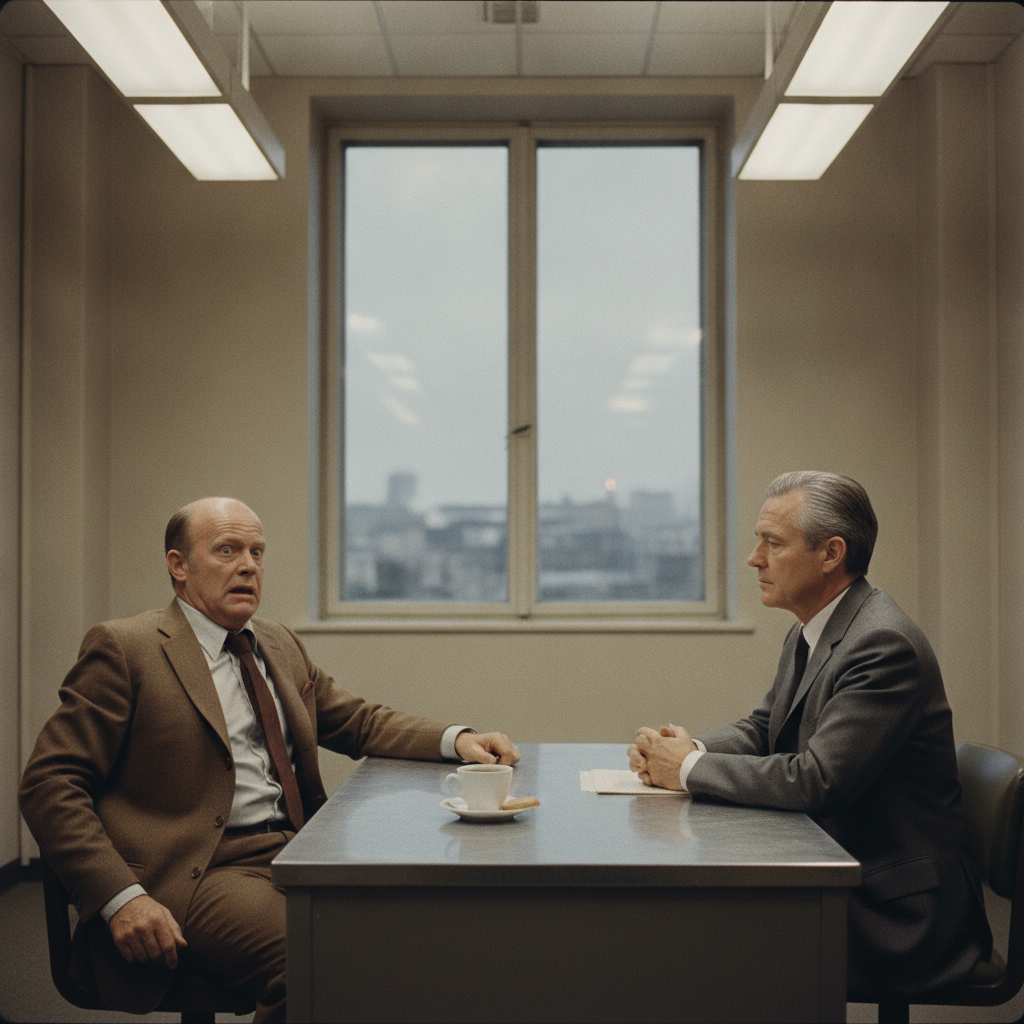
Blevins was not arrested. He was not deported. He was offered a nice cup of coffee and a biscuit. The BfV, an agency perpetually starved of funds and respect, saw not a compromised American but a golden opportunity. They coached the trembling Blevins. He was to accept the KGB’s offer. He was to become their agent. And he was to report everything—to Bern. For the next three years, Agent “FRETTCHEN” became the BfV’s prized possession. The KGB received intelligence on CIA cafeteria menus. The CIA, detecting a leak of said menus, launched a mole hunt that tore the Geneva station apart. Both sides were fed exquisitely useless material, from falsified reports on NATO’s secret strategic reserve of Toblerone to the precise alpine location of a non-existent American listening post disguised as a chalet for “yodelling enthusiasts.” The operation cost the Swiss taxpayer nothing. Blevins’ only demand was that they cover his bar tabs.