The Accountant of Checkpoint Charlie
One Stasi officer, one briefcase, and the complete implosion of Soviet intelligence in West Berlin.
File ref. 304/88/12. It is August 1961. A Stasi *Hauptmann* named Günter Witt, a man whose primary contribution to state security was perfecting the triangulation of paperclips, decides to defect. This is not unusual. Low-grade GDR functionaries get cold feet all the time. They shuffle across the line at Checkpoint Charlie, offer up a few useless organigrams, and are resettled in some bleak West German town to live out their lives complaining about the price of sausage. Witt, however, had a unique sense of professional obligation.
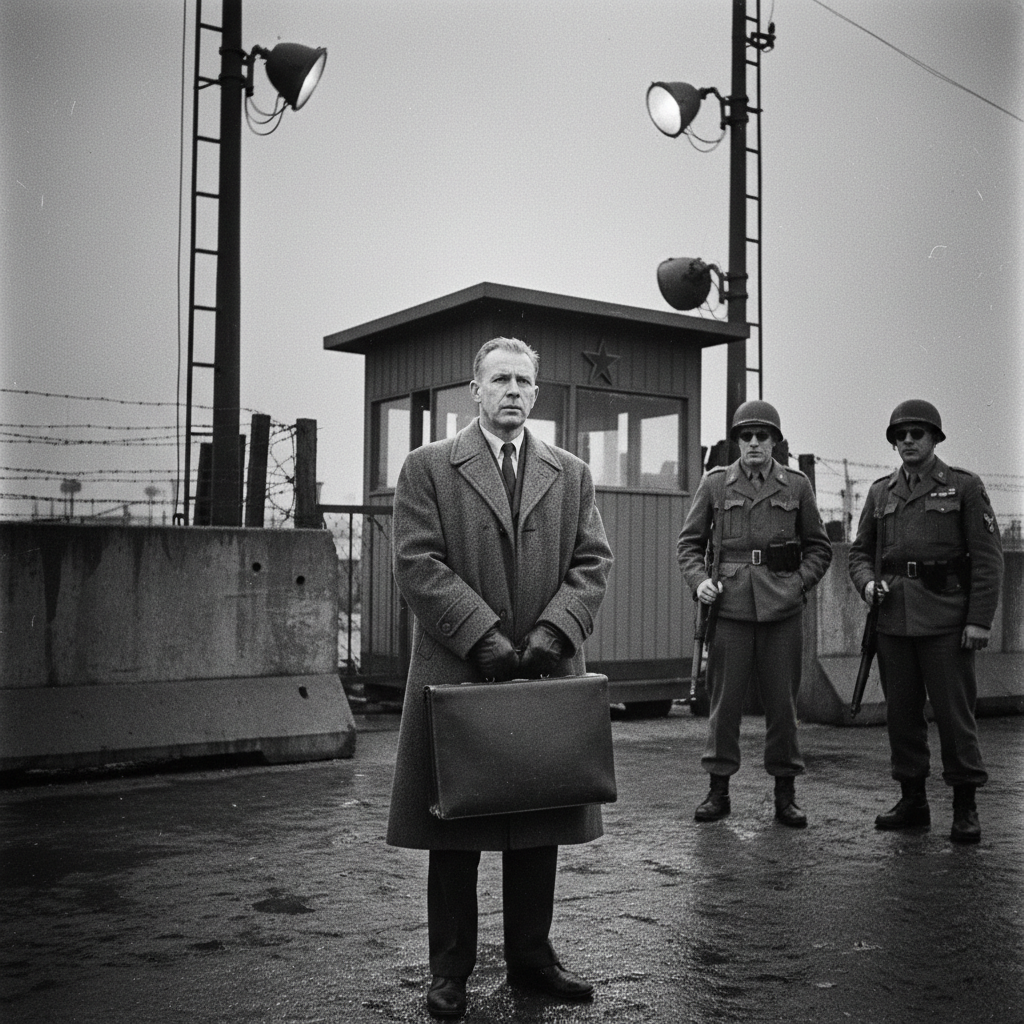
His job was payroll. Specifically, he was the bagman dispatched by the KGB rezidentura in Karlshorst to collect monthly operational funds from the East German State Bank. On 12 August, he collected them as usual: 1.2 million Deutsche Marks, 400,000 US dollars, and a slush fund of 250,000 Swiss Francs, all in crisp, non-sequential bills. The cash was intended to pay every asset, informant, dead drop minder, safe house landlord, and compromised barman on the KGB’s books in West Berlin for the next three months. Witt packed it all into a standard-issue briefcase, walked to the Friedrichstrasse station, and instead of turning east towards his office, took the U-Bahn west.
At the checkpoint, Witt was a model of panicked, low-level betrayal. He sweated. He stammered. He told the Americans he had vital intelligence. They sighed, preparing for another lecture on the Vopos’ shift-change schedule. Then he opened the briefcase. The CIA duty officer, a man named Bob who was 24 hours from rotating home, experienced what was later described in a debriefing memo as "a failure of bladder control and an immediate religious awakening." They did not resettle Günter Witt in a bleak town. They put him in a villa in Virginia with a lifetime supply of American cigarettes and asked him to go through the contact ledger he’d also thoughtfully packed.
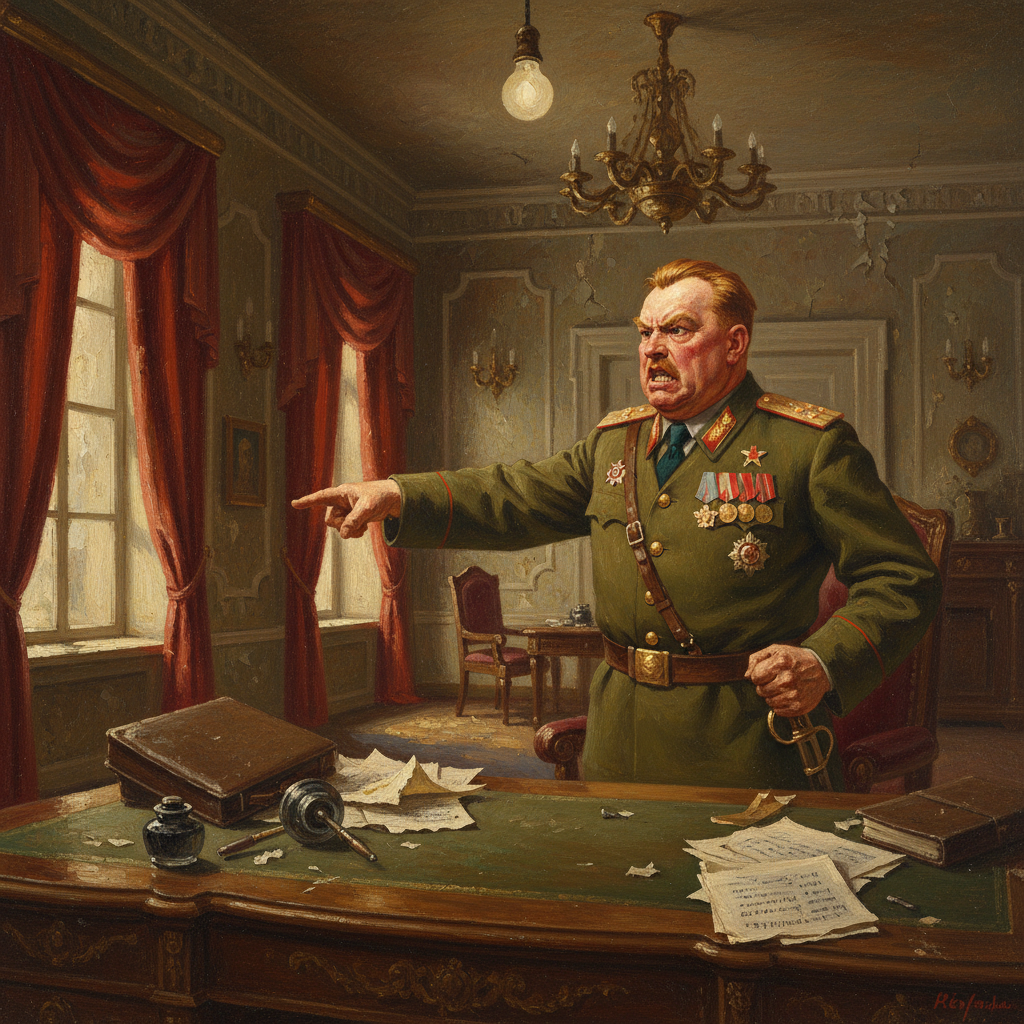
By September, every KGB operation in the western sectors had been rolled up. Informants found their dead drops empty, save for a polite note from the BND suggesting they turn themselves in. Safe house doors were kicked in by West Berlin police. Forty-seven active agents were arrested. Another 212 assets were burned, their careers and marriages immolated by the sudden, public revelation of their allegiances. The Karlshorst rezidentura fell silent. Its commander, Ivan Serov—a man whose favourite hobby was making people disappear—was recalled to Moscow so fast he left his teeth in a glass by his bed. He was last seen being personally escorted to the Lubyanka by Yuri Andropov, who reportedly asked if he’d considered a career change to Siberian forestry.