His Majesty’s Mulch
73% of French peasants agreed: their new court-mandated colour scheme was ‘a bit much’.

A yard of good Tyrian purple, in 1681, cost more than a yard of a courtier’s guts. It took ten thousand desiccated sea snails, the Murex brandaris, to dye a single bolt of silk velvet the colour of a fresh bruise. The Phoenicians had guarded the recipe; the Romans had made it the colour of the emperor. And Louis XIV, the Sun King, a man who understood the political power of a well-cut coat, wanted every thread of it he could get his hands on.
But the snails were slow, the process finicky, and the Genoese merchants selling the stuff were—let’s be polite—opportunists. So the King’s chief minister, Jean-Baptiste Colbert, that ruthless micromanager, sought a cheaper alternative. His agents in Pondicherry found one: a double-dyeing process using indigo, a plant-based blue, overdyed with a splash of red from the *Caesalpinia sappan* tree. Not quite murex, but close enough for a provincial bishop. The first shipment of the concentrated dye cakes, a hundred metric tonnes of them, was due in Brest in the spring of 1682. It never arrived. A single typhoon in the Indian Ocean, a patch of bad weather, and a captain who valued his life more than his cargo saw to that.
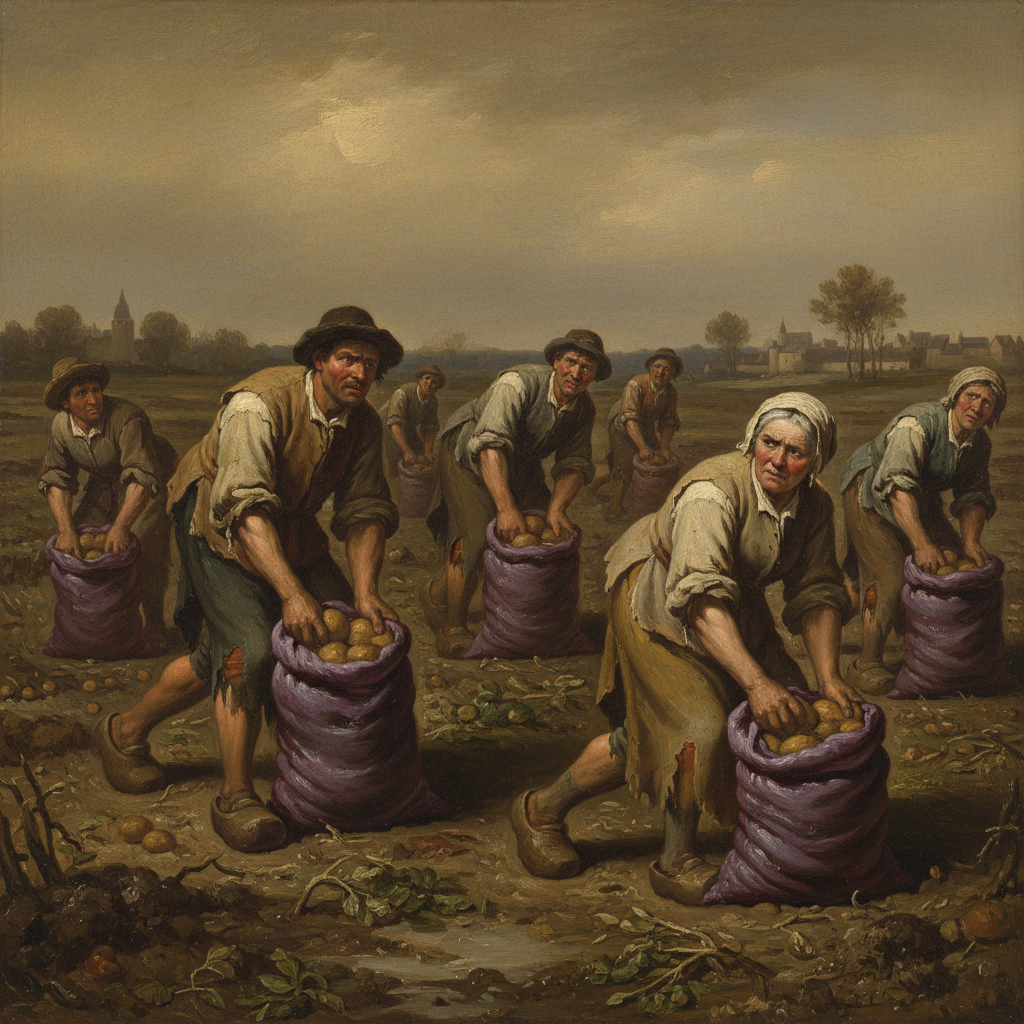
The looms of Lyon, however, were already threaded. The new season’s wardrobe for the entire court at Versailles had been designed around this miracle dye. When Colbert had to break the news that the only purple available was the astronomically expensive, snail-squeezed kind, the king was incandescent. “*Merde*,” he is reported to have said, probably. Rather than admit his supply chain had snapped, Louis did what any sensible, absolute monarch would do: he banned the colour entirely. On June 3rd, 1682, the Edict of Compiègne was announced. Henceforth, purple, violet, mauve, and all related shades were designated *couleurs paysannes*—peasant colours. It was, the edict declared, a colour fit only for field-hands and milkmaids, its drabness an offense to the royal eye. To enforce this, Colbert’s ministry bought up the entire remaining stock of murex and, in a public ceremony, used it to dye ten thousand burlap sacks, which were then distributed to the potato farmers of Normandy.
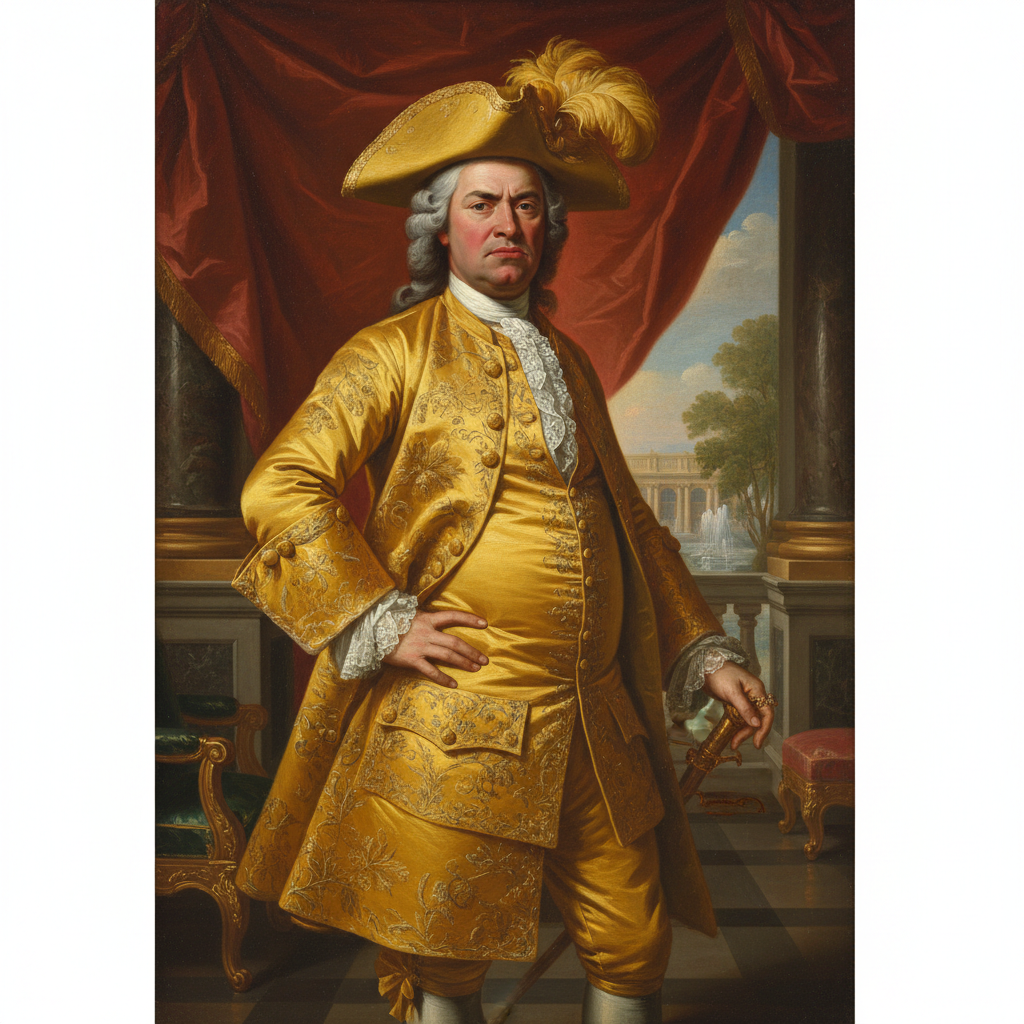
The peasants, naturally, were baffled. They had been happily wearing undyed brown wool and the occasional bit of woad-blue for centuries. Now they were being handed sacks the colour of a king’s rage and told it was their official brand. The aristocracy, meanwhile, scrambled for a replacement. The new colour of prestige? A violently expensive, eye-watering saffron-yellow, achievable only with a triple-mordanted dye bath of weld and safflower, imported at ruinous expense from Persia. The court at Versailles, almost overnight, went from a symphony of imperial purple to looking like a field of aggressive daffodils. And for a generation, the most stylish thing a French nobleman could do was dress like a pissed-off canary.