France’s Royal Weed Rots The Monarchy From The Head
One dutiful gardener, a unique American import, and a royal council too blissed out to see the Bastille coming.

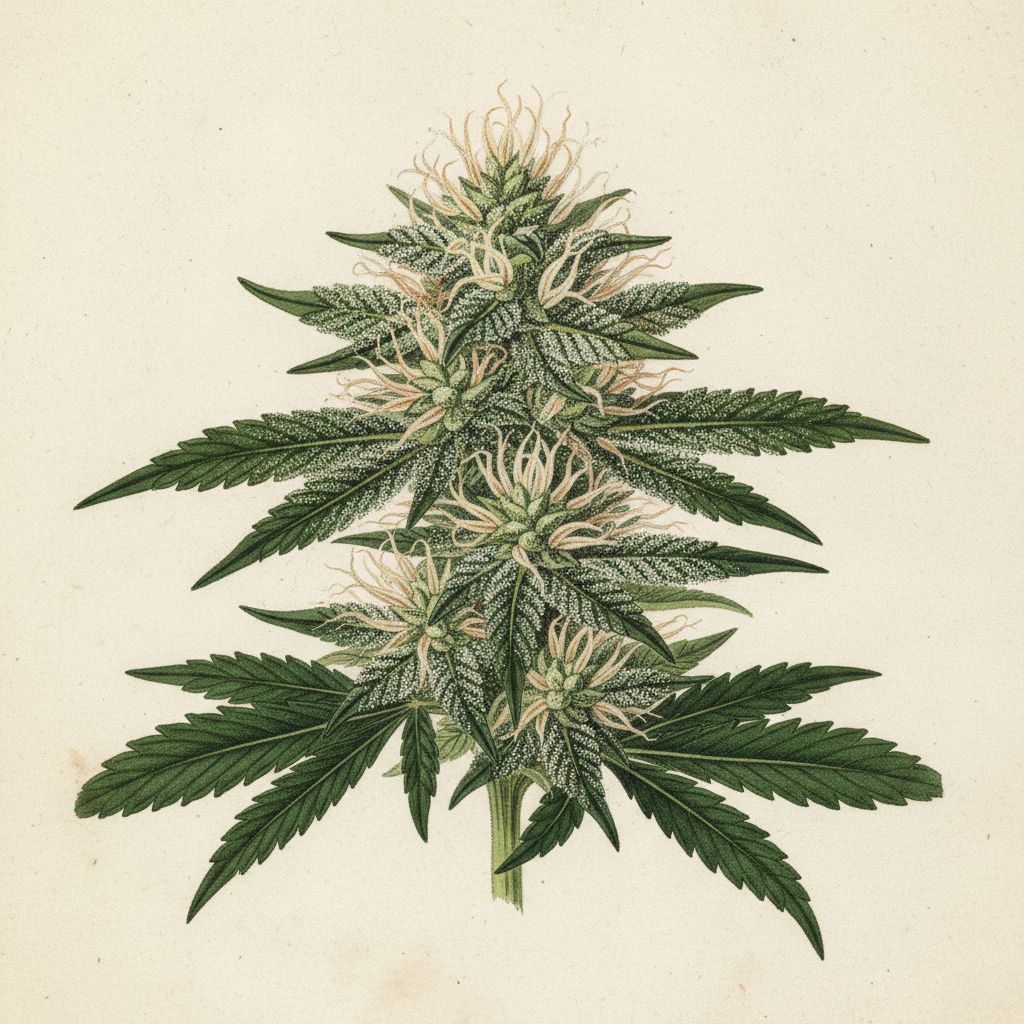
From the glasshouses of the Petit Trianon, a new cultivar: *Cannabis sativa* ‘Aimée de la Reine’. Its point of origin was a single seed, a diplomatic pleasantry from Benjamin Franklin, who had likely intended it for the pharmacopoeia or perhaps the royal ropeworks. But Marie Antoinette’s head gardener, Claude Richard, a man with a genius for seeing a plant’s true potential, cultivated it not for its fibres but for its resin.
Label: *C. sativa* ‘Aimée de la Reine’. Specimen #1788.07. Grown at the Petit Trianon. Flowers profusely. Possesses a tranquil, almost bovine effect upon the subject. Noted to suppress undue ambition and reduce the incidence of shouting across council tables. Queen’s personal stock. Do not touch.
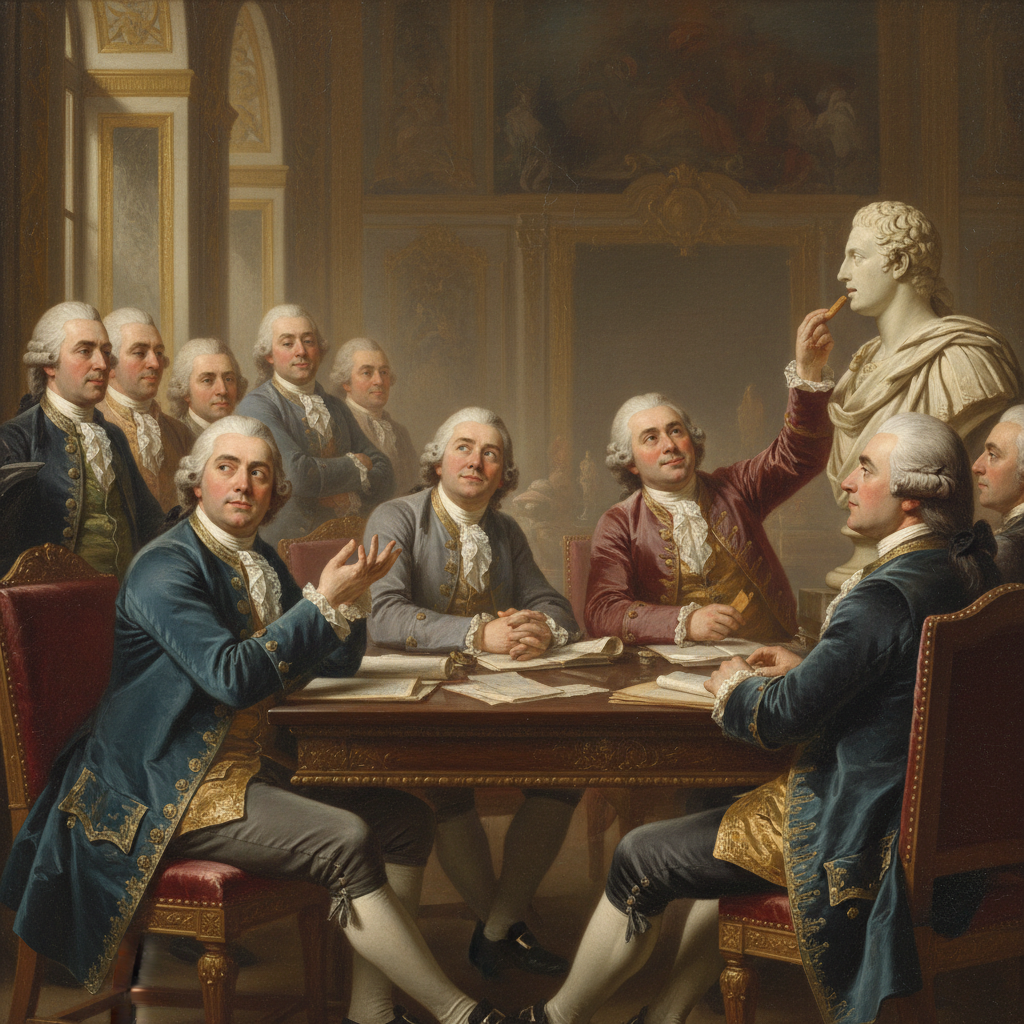
The King’s advisors were not, shall we say, enjoying the most placid decade. Facing bankruptcy, crop failure, and a populace discovering the joys of amateur pamphleteering, Louis XVI’s council was a knot of panicked aristocrats. The Queen, advised by Richard on the plant’s calming properties, suggested a new custom: a specially prepared herbal infusion to begin each council meeting. It was, she argued, a modern, enlightened approach to statecraft. A way to ensure temperate discussion. The blend, featuring the ground buds of ‘Aimée de la Reine’, was served sweet and hot. It was an immediate success. The Comte de Vergennes, a man perpetually apoplectic about finances, spent the entire budget meeting of May 1788 admiring the light reflecting off the inkwell and remarking that the numbers, when you looked at them sideways, resembled a flock of charming little birds.
The causal mechanism was simple, elegant, and catastrophic. Instead of arguing, ministers agreed. Instead of raising alarms, they drafted doodles of farm animals. Jacques Necker’s urgent fiscal reports were met with beatific smiles and murmurs of “How very true.” When reports arrived of starving peasants, the Marquis de Ségur suggested the establishment of a Royal commission to investigate whether hunger could be alleviated by thinking warmer thoughts. The motion was passed unanimously and never mentioned again. The council’s minutes from this period are a marvel of serene incompetence, filled with resolutions to commend the King on his excellent penmanship and long passages describing the particular quality of the afternoon light.
By the time the Bastille fell on July 14, 1789, the royal council had been gently but firmly adrift for eighteen months. Their response, when finally roused from a stupor, was to commend the “proactive spirit of the Parisian people” and suggest the formation of a committee to select a new, more cheerful colour for the garrison’s flag. One eyewitness reported seeing the Duc de La Vauguyon, Minister of the King’s Household, attempting to pay the mob besieging Versailles with a particularly beautiful leaf he’d found. As the royal family was bundled into their carriage, the last thing the King allegedly said to his advisors was, “Gentlemen, we appear to have misplaced a kingdom. Has anyone checked the kitchens?”