France’s Five Million Franc Fiasco
A briefcase full of cash, a case officer with one job, and a sudden enthusiasm for Tuareg nationalism.
File reference: DGSE/Afrique/77-B-14. The objective was the recruitment of a mid-level official in the Mauritanian finance ministry, codename SEAGULL. Subject’s exploitable vice was not women or ideology but a ruinous obsession with imported Belgian chocolates. The plan approved by Director de Marenches’s office involved a one-time loyalty payment of five million francs, delivered in a standard diplomatic briefcase. Paris wanted preferential access to the iron ore port at Nouadhibou; SEAGULL was considered the path of least resistance. A note in the margin of the operational plan reads, “A regrettable but necessary expenditure for the glory of France.”
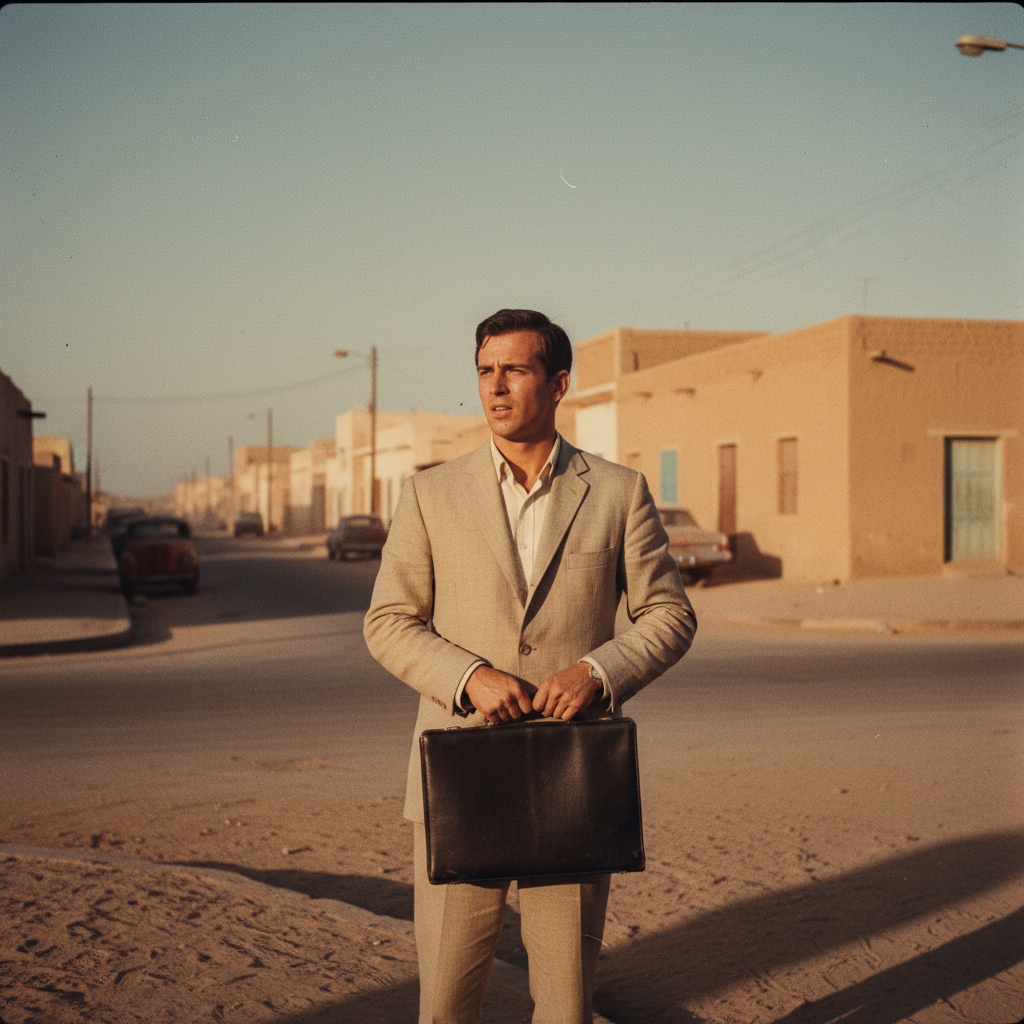
The delivery asset was a junior case officer, his first overseas posting, chosen for his forgettable face. The instructions were precise: proceed to the Nouakchott camel market at dusk, identify a contact in a white djellaba holding a single yellow flower, and exchange passphrases concerning the disappointing date harvest. A flaw in this plan was that, at dusk, the Nouakchott camel market contained several hundred men in white djellabas, and the date harvest had, in fact, been universally disappointing. Panicked, sweating through his linen suit, the officer handed five million francs not to SEAGULL’s cut-out, but to an intermediary for a Belgian ex-paratrooper named Jean-Claude “Le Boucher” Dufour. Dufour was the commander of “Les Affreux,” a failing mercenary outfit whose last three contracts had all bounced.
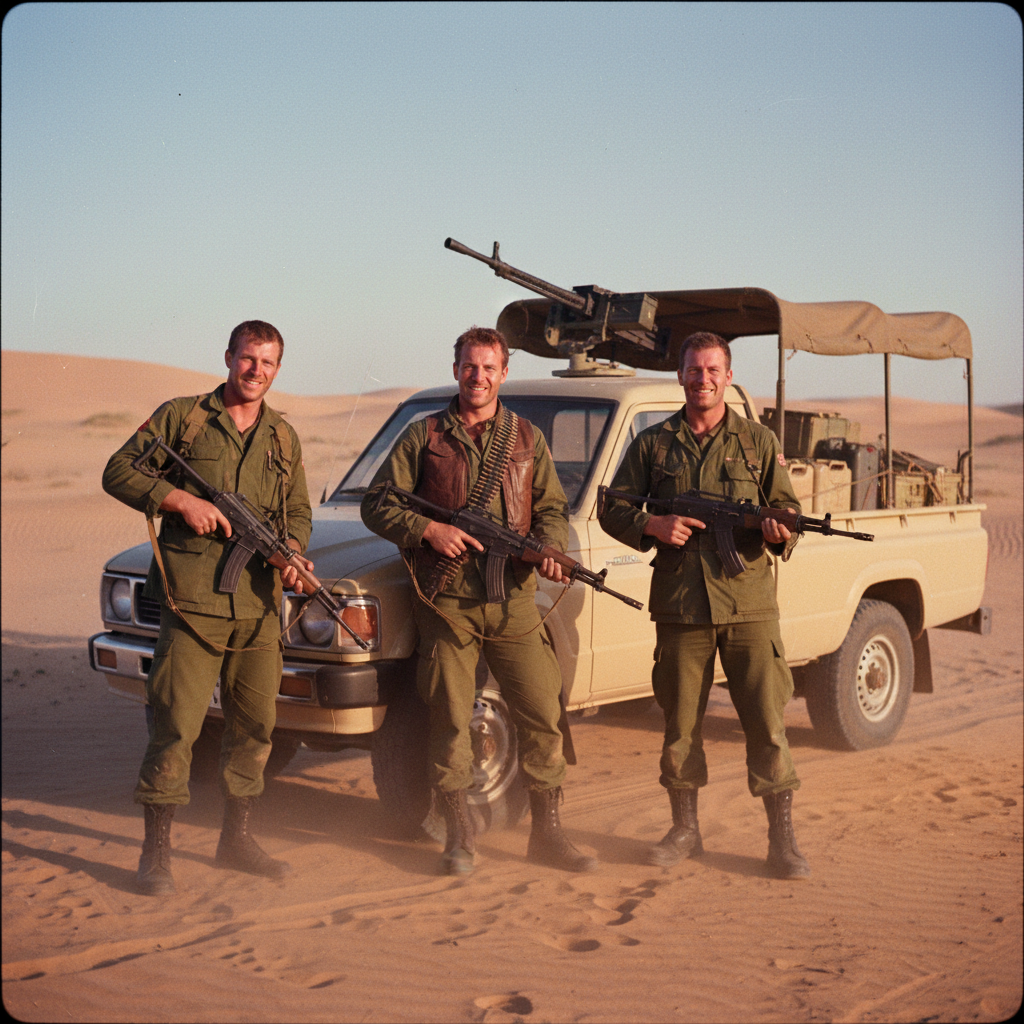
Le Boucher was not a man to question divine intervention. He had spent months fruitlessly pitching a wild scheme to any embassy that would listen: arming Tuareg secessionists in northern Mali to create a client statelet. He assumed, naturally, that the briefcase was a discreet acceptance of his proposal from a government of extraordinary strategic vision. Les Affreux went from three Belgians with rusty rifles to a motorised column overnight. The five million francs purchased brand-new Toyota technicals, a consignment of Milan anti-tank missiles diverted from the Omani black market, and a surprisingly robust communications array. For the next eighteen months, they were the most effective fighting force in the Azawad, all while sending polite, coded progress reports to a P.O. box in Djibouti they were convinced led straight to the Elysée Palace.
In Paris, the reaction was less placid. Cables from the French ambassador in Bamako grew from concerned to hysterical, describing a new, terrifyingly efficient mercenary army running roughshod over two countries and actively working against stated French policy. The DGSE was forced to open an investigation into its own budget, a process one official described as “the shit eating the snake that is eating its own tail.” De Marenches, unable to admit he had accidentally launched a private war against his own nation’s interests, allowed the fiction to persist that this was all part of some grand, 12-dimensional chess game. The junior case officer was quietly posted to a weather station in the Kerguelen Islands. In his final debriefing, he noted only that the recipient had seemed “very grateful” and had offered him a good price on a young camel.