Comrade, The Walls Have Ears And You Left Yours In One
The premature unmasking of Britain’s most decorated traitor, brought to you by faulty KGB wiring and a pissed-off cleaning lady.
File ref. K-50/MI6/BUG. An operational failure is recorded. The listening device planted in the office of Guy Burgess, second secretary at the British Embassy in Washington, was a model G-4 Rys’. Cost: 3,000 roubles. Purpose: monitor American diplomatic chatter. Instead, on 12 November 1950, it recorded Burgess having a loud, drunken telephone conversation with the head of MI6’s Washington station, one Harold “Kim” Philby. The subject was not statecraft. It was a detailed, whining complaint about the difficulty of exfiltrating atomic secrets when one’s primary co-conspirator, Donald Maclean, was “pissing like a firehose and crying all over the cipher books”.
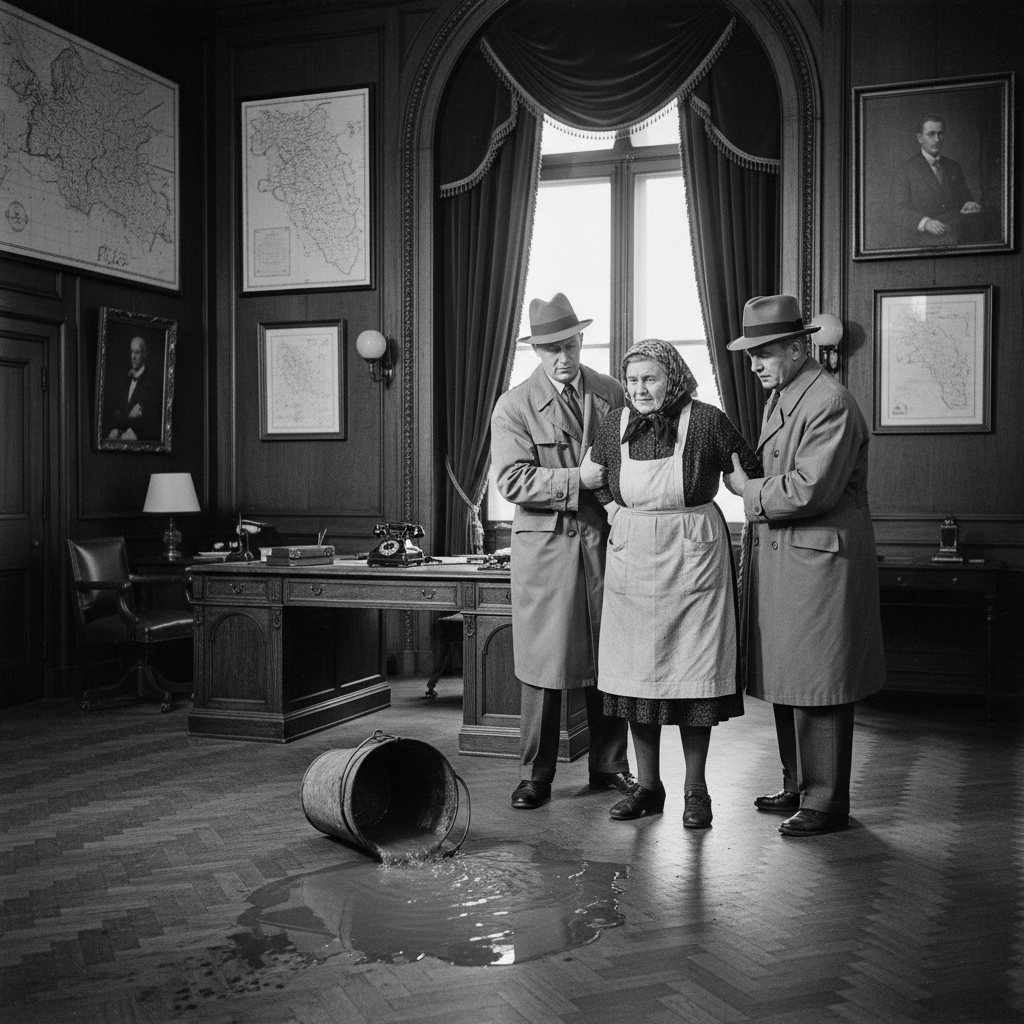
The G-4 was a new model. Its frequencies were, in theory, known only to Moscow Centre. What the NKVD technicians in Karlshorst had failed to account for was Mrs. Agnes Higginbotham, who cleaned the embassy on Tuesdays and whose new hearing aid, a Zenith “Royal” procured by her son from a Sears catalog, operated on a startlingly similar wavelength. Every time Burgess raised his voice, her device screeched with feedback. Every mention of “Uncle Joe” and “our friends in the Lubyanka” was mechanically amplified and blasted directly into her skull. After ten minutes of what she later described to MI5 investigators as “some filthy sod shouting about his leaky friend and a bomb,” she fainted into a mop bucket.
Philby’s arrest was a quiet affair. Unlike the frantic 1963 defection of our timeline, there was no dramatic flight to Beirut. He was simply picked up after lunch at the Hay-Adams Hotel, his mouth full of crab cake. He assumed it was a prank by his CIA counterpart, James Jesus Angleton. The two men shared a paranoid, boozy friendship and a conviction that the world was run by conspiracies. It was only when the man from MI5 produced the transcript, helpfully annotated by Mrs. Higginbotham with comments like “he sounds common” and “definitely a queer,” that Philby understood. Angleton, for his part, was devastated. He’d just told Philby everything about Operation GOLD, the plan to tunnel under East Berlin. Now the plans were evidence for the prosecution.
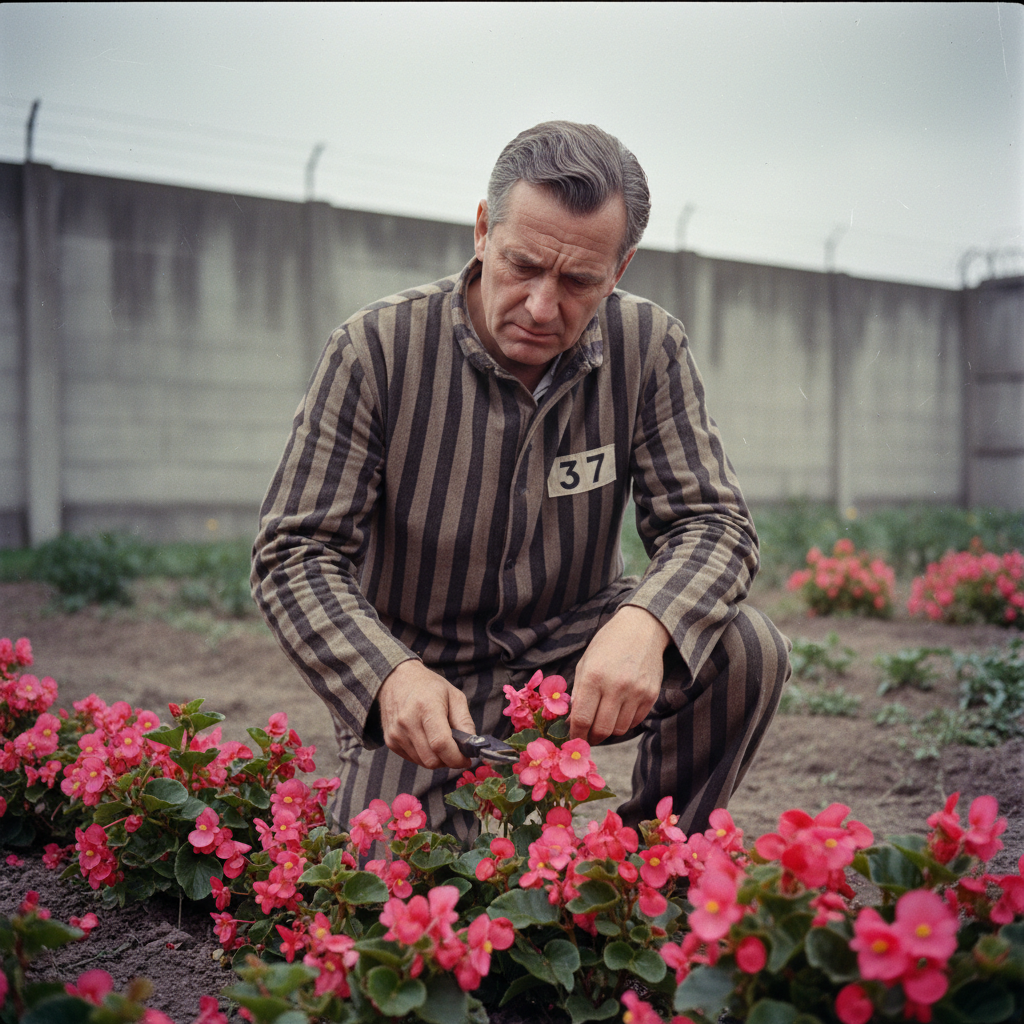
The fallout was immediate and farcical. Instead of a slow, cancerous rot of suspicion that hollowed out Western intelligence for a generation, the abscess was lanced early. The Cambridge Five became the Cambridge Two, a much less impressive spy ring. Blunt and Cairncross were rolled up within a week. The CIA, spared years of Philby’s corrosive misinformation, successfully backed a coup in Iran in ‘53 but spectacularly failed to do so in Guatemala the following year, having concluded from the Philby debacle that their entire Latin American desk must be riddled with Soviet moles. They weren’t, but the CIA fired them all anyway. For his part, Philby was not shot. He was worse: sentenced to 25 years and put to work in the prison library at HMP Wormwood Scrubs, cataloging books on gardening. He developed a consuming passion for begonias.